The gas emits bright lights in the nebula, the formation of stars, Saturn's satellites are beautiful scenes of the universe during the week.
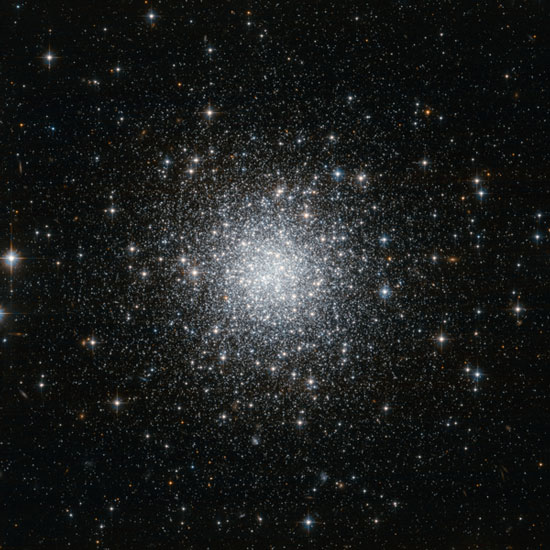
Hubble Space Telescope captures the constellation NGC 7006. This constellation consists of several hundred thousand stars. They are located at the edge of the Milky Way and about 135,000 light-years from Earth. (Photo: ESA)
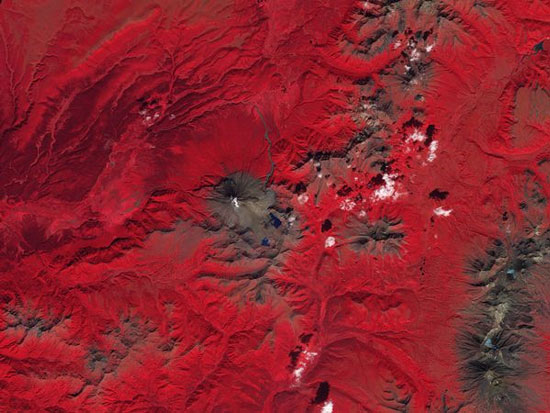
White smoke rises from Kizimen volcano on Russia's Kamchatka peninsula. Areas with trees are colored in red so that viewers can clearly see the positions of smoke columns. (Photo: NASA)
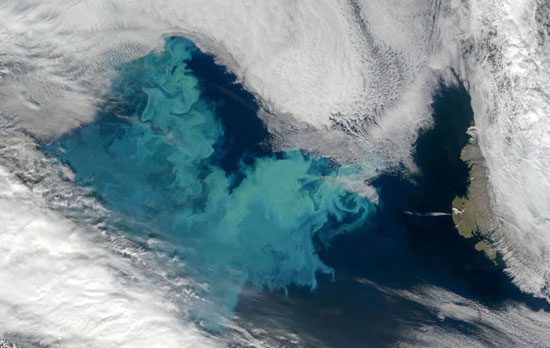
A photo of the Barent Sea taken by the artificial satellite on September 10. (Photo: NASA)
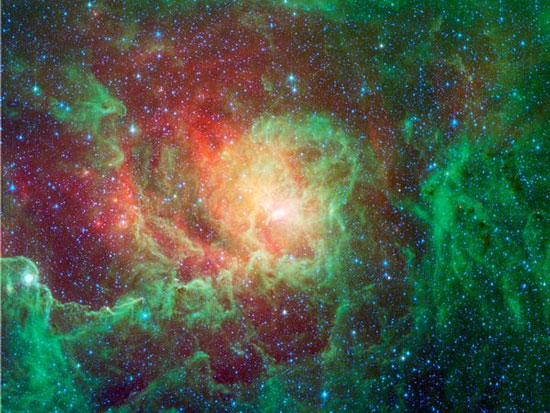
Gas and dust glow around new stars in the Lagoon Nebula. This is one of the two nebulae that humans can see with their eyes from the northern hemisphere. (Photo: NASA)
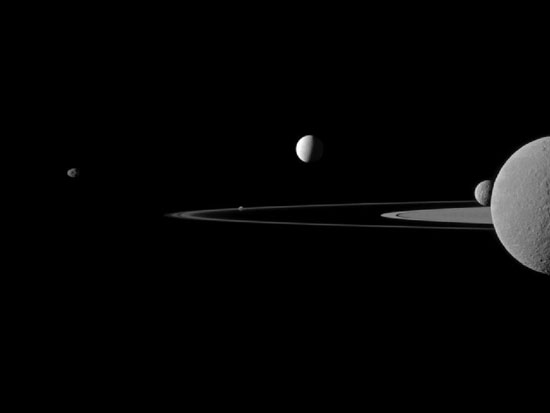
Saturn's five satellites appear in a photograph taken by Cassini on September 12. Rhea, Saturn's second largest satellite, is closest to the lens. (Photo: NASA)
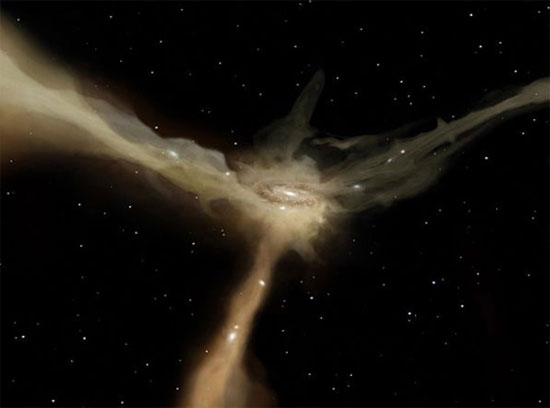
Illustration of the formation of a star from matter in the universe. (Photo: NASA)