In addition to making delicious dishes, crab vegetables are also effective in treating respiratory infections, pharyngitis, appendicitis, infectious hepatitis, poor digestion, osteoarthritis aches, malaria, furunculosis, traumatic swelling pain .
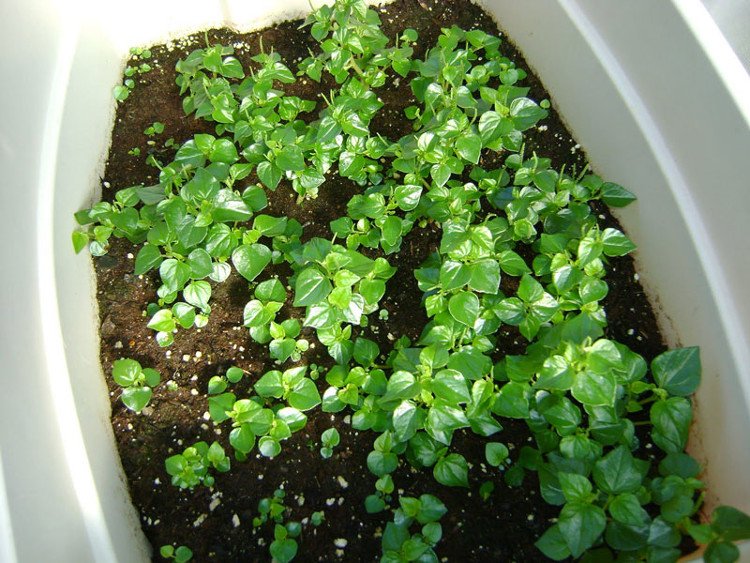
The crab tree.
1. Prepare planting tools, soil and varieties
Planting tools
You can take advantage of available tools such as trays, pots, cement bags, foam boxes or empty plots at home to grow crab and vegetable crops. Note, the planting tools must be perforated at the bottom so that the tree does not get waterlogged. In addition, you can also intercrop crab in the bonsai pots because this vegetable does not need to spend too much area.
Land for planting
Crab vegetables are easy to live and can grow well in many different types of soil. You can buy or mix soil with rice husk, coconut fiber, cow dung, chicken manure, bird droppings, goose duck, fish feces, wormwood fertilizer .
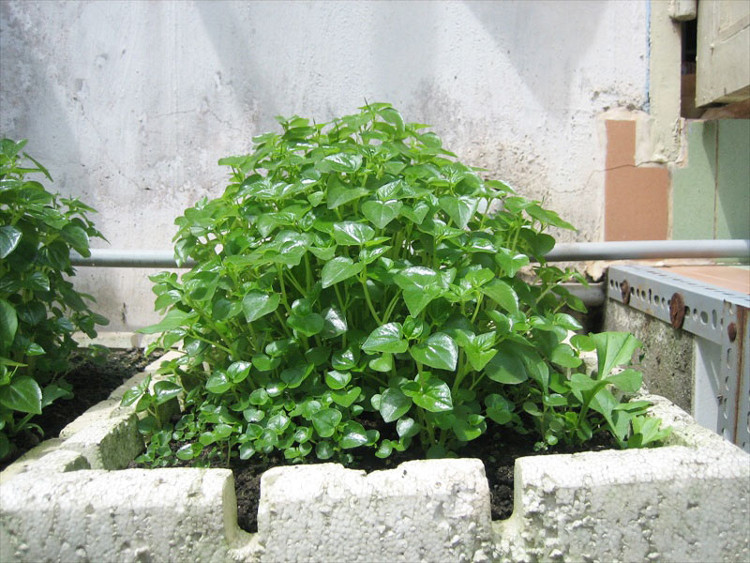
Green crabs are good.
Seeds
The more vegetable seeds you can find at stores selling agricultural products near your home or supermarket.
2. Sow seeds
Crab claw is easy to germinate so you don't need to soak it before sowing. Sow seeds with a density not too thin or too thick. After sowing, cover a thin layer of soil and water with a light spray.
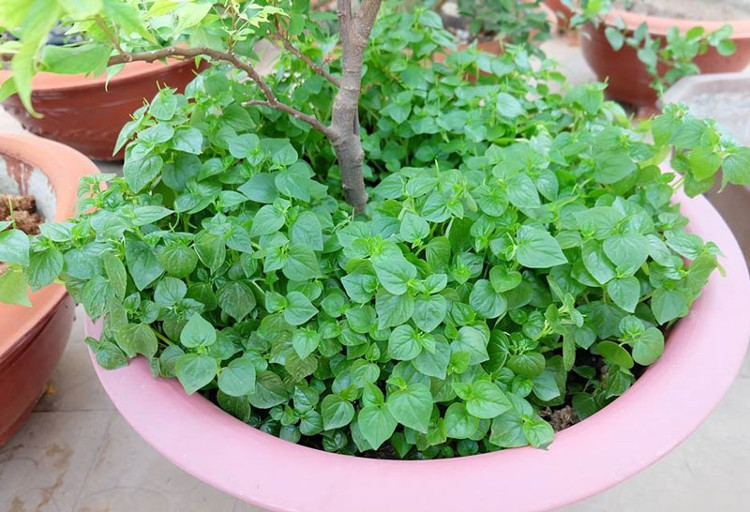
Crab vegetables are intercropped in ornamental pots.
3. Take care
Crabs are moist, so water regularly in the early morning and late afternoon. When the tree is about 10 days old, just water once a day in the morning or afternoon.
Regularly weed around the crab claws. During planting, you do not need to fertilize the plants.
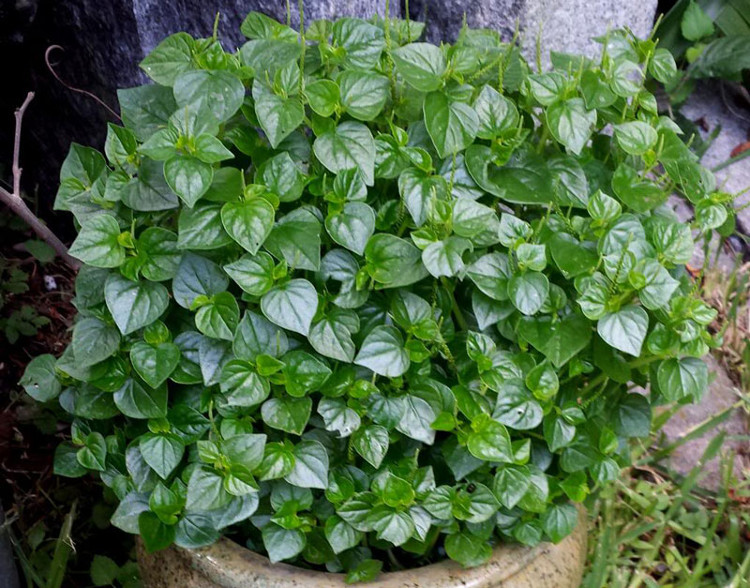
Crab vegetables for harvesting.
4. Harvest
After planting about 30-45 days, the crab and vegetable will start to harvest. When harvesting, leave the root and a burner to keep the crabs growing.
When you see the crab vegetable with small grains, it is the seed of the crab with vegetables, then you can take the next spray to make the crabs grow more.