
Scientific application
Hue applies GIS to waste collection system
Associate Professor and Doctor Le Van Thang and his colleagues succeeded in building a GIS database on waste collection system.
Explore science in everyday life, from weather and health to wildlife, geography, human biology and unusual phenomena around the world.
9,109 published items in this category and its subcategories.
Associate Professor and Doctor Le Van Thang and his colleagues succeeded in building a GIS database on waste collection system.
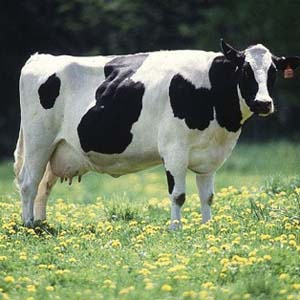
A group of Australian and Japanese researchers have found a fast and accurate test for mad cow disease (CJD - Creutzfeldt-Jakob).
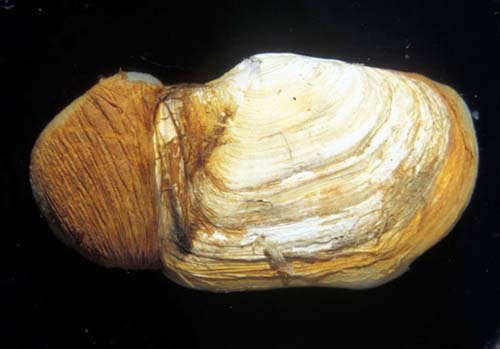
An international team of scientists has successfully fabricated a synthetic version of the self-healing adhesive used by mussels to attach themselves to the rock.
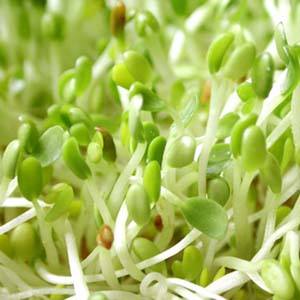
Many American agricultural experts claim that the infection of transgenic alfalfa on traditional grass is inevitable.
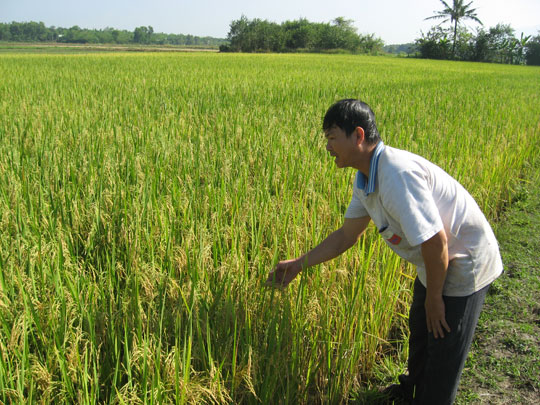
The special rice variety is extremely short, giving high quality, nutritious rice that has been bred and produced for mass production.
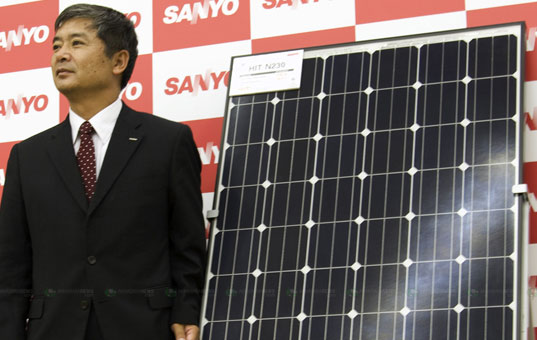
Sanyo Electric Co., Ltd. manufactures solar cells with the highest conversion efficiency in the world, up to 21.6%.

The toxic gas in Kivu death lake in Rwanda threatens the lives of two million people, but can also generate electricity for the whole country for hundreds of years.

During 2005-2010, the Farmer Association and the Ministry of Science and Technology implemented nearly 300 projects in 60 provinces and cities, with a total cost of near…

One ton of straw used for growing mushrooms can earn interest from 3-5 million. But farmers still burned thousands of tons of straw after each harvest.
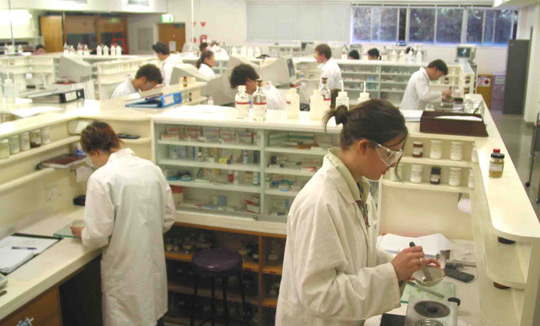
In the period of 2006-2010, scientific and technological applications helped the agricultural sector
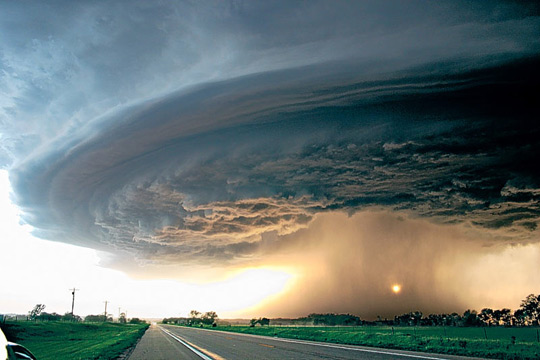
Japan has just built a device to simulate the phenomenon of water hoses to help architectural buildings avoid being destroyed when a natural disaster occurs.

It is no longer necessary to divide colored clothes and white clothes when washing housewives' laundry when scientists have invented a new dye that will never fade.
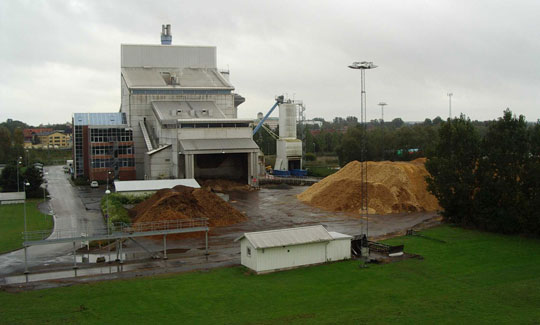
Based on food waste, organic fertilizer and cooking oil, a city in Sweden has significantly reduced fossil fuel consumption, according to The New York Times.
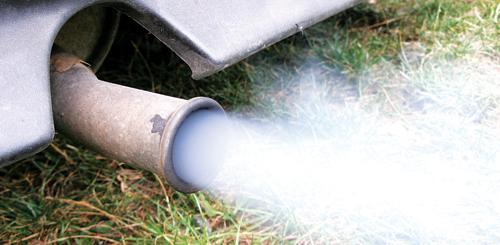
Scientists have invented a thermoelectric generator that converts heat from car exhaust to electricity.
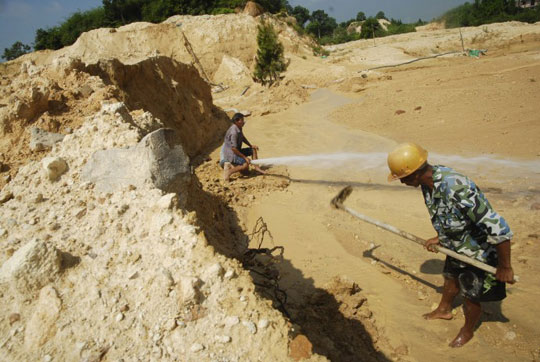
The US manufacturing industry, especially the green energy industry, always needs rare earths, but they are heavily dependent on China, at least for the next five years.