Environment
Cooling Laos wind
Using short-term summer rice varieties, building reservoirs in the direction of Laos wind ... according to scientists is a good method to cool the heat in the Central.
Explore science in everyday life, from weather and health to wildlife, geography, human biology and unusual phenomena around the world.
9,109 published items in this category and its subcategories.
Using short-term summer rice varieties, building reservoirs in the direction of Laos wind ... according to scientists is a good method to cool the heat in the Central.
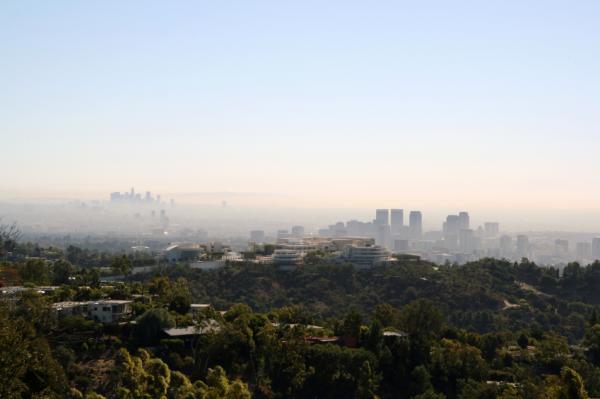
The American Cancer Research Organization's annual report on April 29 found that six out of 10 Americans must live in heavily polluted areas.

Simultaneously handling pollution of some rivers and lakes in Hanoi, scientists determined to implement the

Trinh Van Thien, 63, a retired teacher in Le Chan District, Hai Phong City, has successfully researched the urban waste treatment line by wet method.

A British scientist has found a way to turn banana waste into a kind of briquettes for cooking, lighting and heating.

A chicken breeding company in China has found a way to turn chicken manure into electricity and supply it to Beijing's grid.

The Asian Animal Foundation yesterday launched the first semi-wild conservation area for bears in Vietnam with an area of 5,000 m2.

Climate change impacts not only the environment but also the greatest threat, threatening the health of billions of people in the 21st century.

The rampant development of many urban slums along with the greenhouse effect is increasing the level of danger of natural disasters.

Scientists now prove that terrible volcanic eruptions make the Earth's atmosphere cold, polar and frozen mountains ...


The Mongolian steppe is famous for its hooves of hoofed animals. In particular, it is noticeable that antelope herds gather together in very large numbers.

Israeli farmers put artificial nest for two species of rat-hunting birds to protect crops.

Climate change can erase the world's largest biodiversity-rich waters called Coral Triangle.

The UK government's senior climate change official confirmed that greenhouse gas emissions would be reduced if people cut off lamb and beer during their daily meals.