Environment
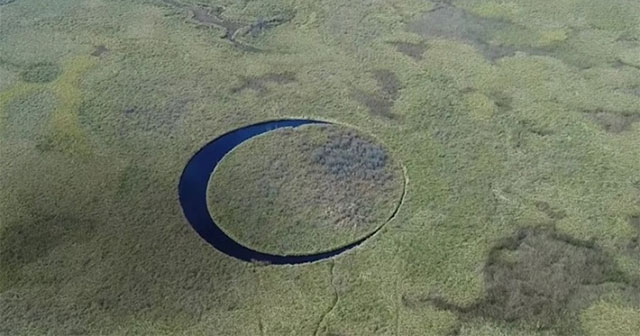
The mysterious 'Eye' island floating in the middle of the swamp
The eye-like floating island in the middle of the marshes in the Paraná Delta was formed by erosion and ocean currents.
Explore science in everyday life, from weather and health to wildlife, geography, human biology and unusual phenomena around the world.
9,109 published items in this category and its subcategories.
The eye-like floating island in the middle of the marshes in the Paraná Delta was formed by erosion and ocean currents.
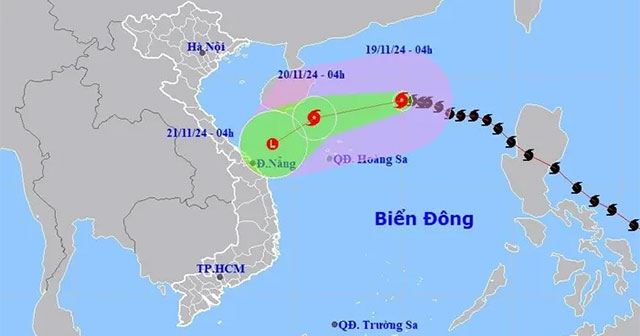
At 4:00 a.m. this morning (November 19), the center of storm No. 9 was at about 18.9 degrees North latitude; 115.0 degrees East longitude, in the North East Sea, about 3…

A new method of monitoring water pollution detects harmful substances in water without requiring experts to take additional samples.

In the coming days, the northern provinces will maintain cold weather at night and early morning, hot during the day, with the highest temperature reaching 30-32 degrees…
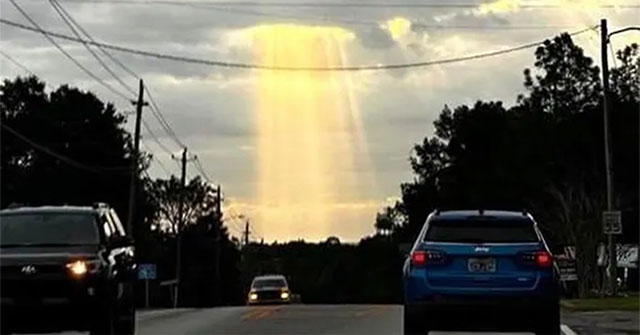
In the middle of the gray cloudy sky, suddenly there was a beam of bright yellow light as if
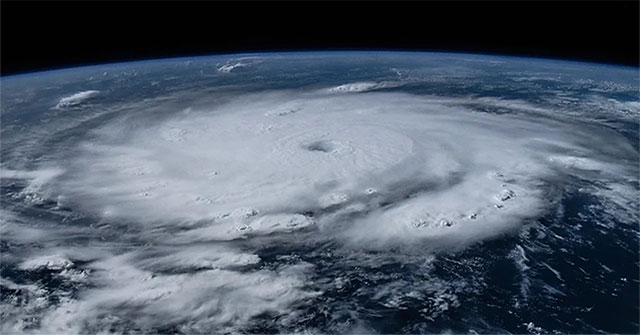
Human-caused warming of ocean temperatures has increased the maximum wind speeds of every Atlantic hurricane in 2024.
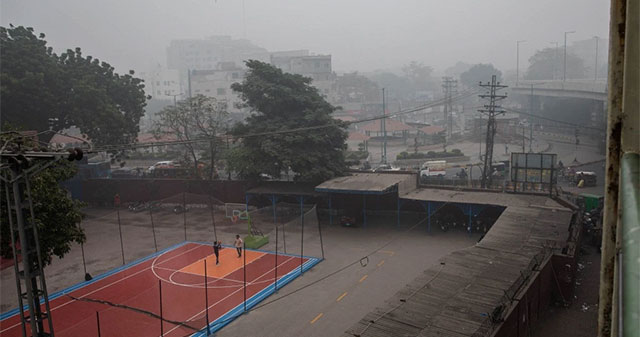
Lahore, Pakistan, is always alive with life at night. But this winter's record-breaking air pollution has disrupted the city's rhythm.
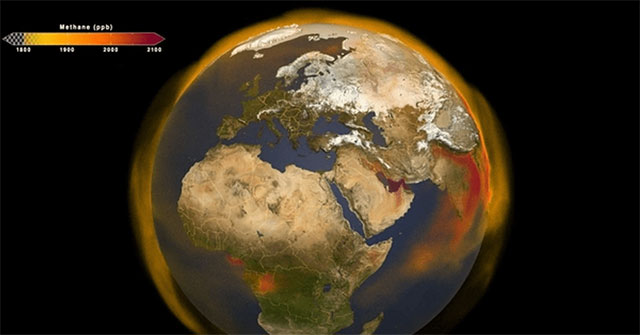
What is this gas and how does it harm humans and the Earth?

Ancient people did not have the aid of modern devices such as radar or satellites, but through deep interaction with their surroundings, they developed amazing ways of p…
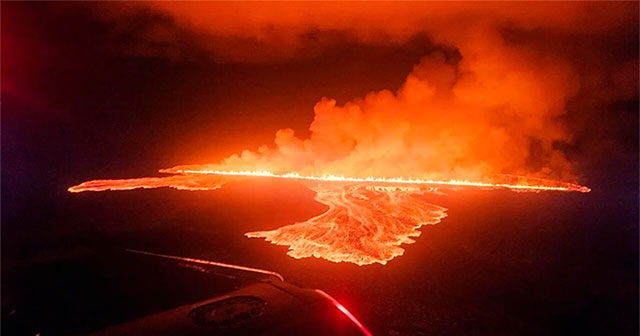
The Icelandic Meteorological Organization (IMO) said that early on the morning of November 21, Vietnam time, a volcano erupted on the Reykjanes peninsula, about 30km sou…
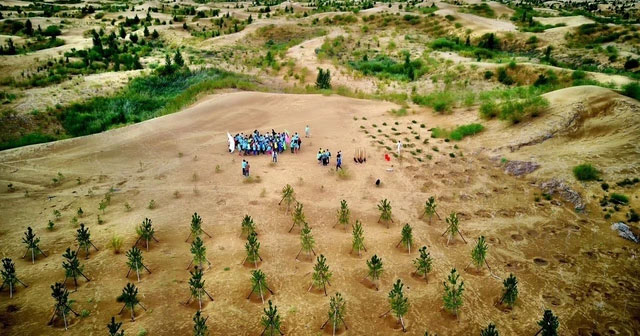
In just over 30 years, the Chinese have greened more than 3,200 square kilometers of this desert.
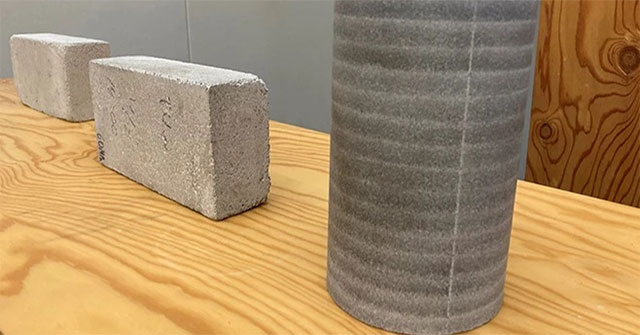
According to a reporter in Tokyo, researchers in Japan have just announced that they have found a way to make concrete that emits almost no carbon dioxide (CO2) during t…

Super Typhoon Kong-rey has one of the largest eyewalls ever recorded in the history of storms on Earth,

ICIPE scientists have discovered that the larvae of a beetle species, scientifically known as Alphitobius, are capable of consuming plastic - a global environmental poll…
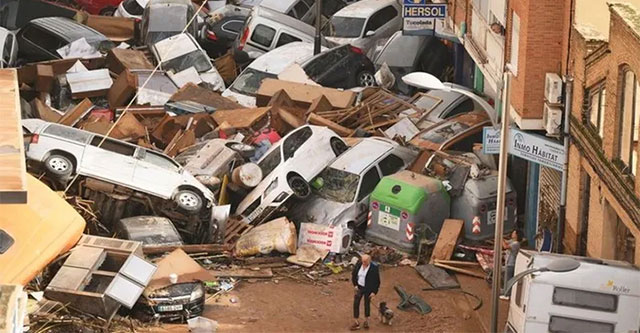
Spain has suffered heavy losses after the worst flash floods in its history.