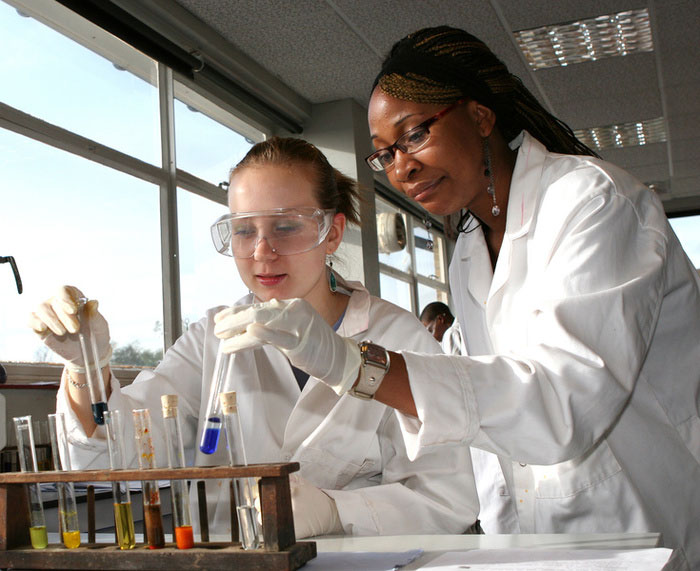
Cancer
Diagnose cancer through breath
Clinical trials confirm that the diagnosis of breath cancer achieves an accuracy of 83%, and also distinguishes the types and levels of the disease.
Read clear coverage of medical research, diseases, symptoms, prevention, nutrition, treatments and everyday health topics across modern medicine.
16,084 published items in this category and its subcategories.
Clinical trials confirm that the diagnosis of breath cancer achieves an accuracy of 83%, and also distinguishes the types and levels of the disease.

Cancer Research UK (Cancer Research UK) has released shocking data on lung cancer rates in British women and said this is the result of increasing smoking among women. m…
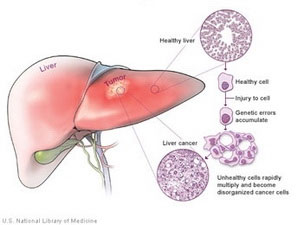
THX on April 13 reported Austrian scientists at the Cancer Research Institute Ludwig Boltzmann found that producing too much growth hormone can cause liver cancer. Liver…
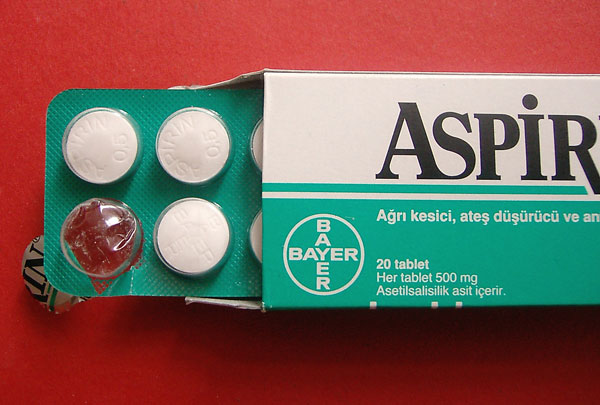
Aspirin and some similar painkillers like ibuprofen and naproxen may reduce the risk of developing three main forms of skin cancer, a new study suggests.
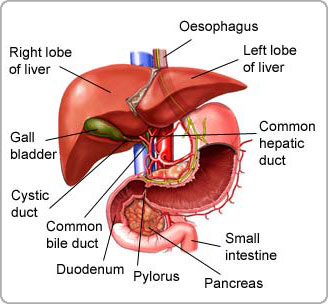
A team of scientists has succeeded in finding the complex mechanism of liver regeneration through studying a protein responsible for gene decoding.
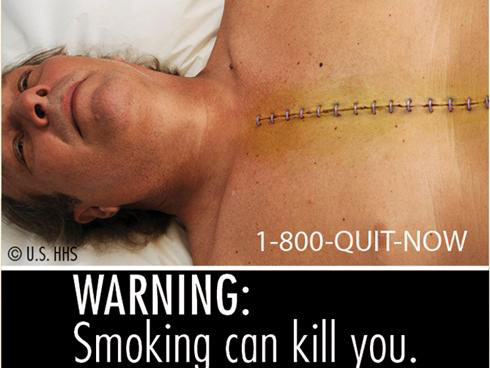
The US Food and Drug Administration (FDA) has published 9 images to illustrate the harmful effects of tobacco to prevent children smoking and encourage adults to quit sm…
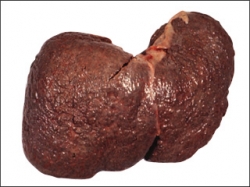
Patients infected with persistent hepatitis C (HCV) virus can lead to chronic hepatitis C and then progress to cirrhosis and liver cancer, the third most common cause of…

According to the Daily Mail, scientists have warned that cats may be a cause for brain cancer cells to grow faster. Because they found a connection ...
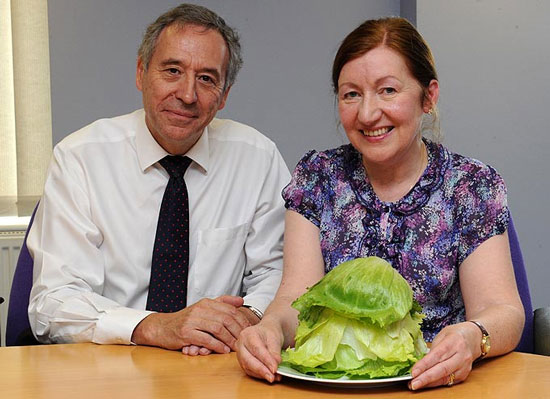
Elsie Campbell - a 59-year-old British woman - discovered cancer early and cured it, with a single sign: suddenly addicted to eating lettuce.
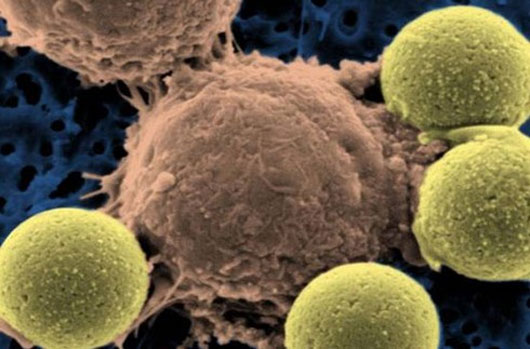
Only 3 patients have been cured in this way so far, but the results are extremely impressive: The two patients have cleared the cancer after one year of treatment, the t…

The latest American Journal of Dermatology, published on August 16, published a study by US scientists saying vitamin D increases the risk of non-melanoma skin cancer.
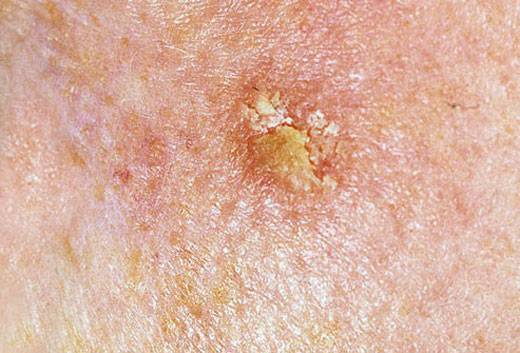
On August 17, the US Food and Drug Administration (FDA) officially approved the drug Zelboraf (vemurafenib) in the treatment of terminal cancer patients (unable to remov…
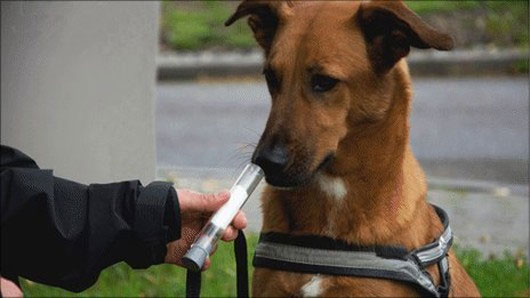
Recently, German scientists have successfully trained dogs with special abilities to detect lung cancer.
The September 5 AAP news agency said that people at risk for blood cancer could soon be found and effectively treated thanks to the scientists' findings of recent genoty…

Scientists working at the University of the United Arab Emirates, in Al-Ain, discovered that the saffron pistil head has been shown to inhibit the development of liver c…