
Medicine - Health
The first HIV patient was cured
The world has just witnessed an impressive medical breakthrough when doctors believe that an HIV-positive man has been cured of a century ...
Read clear coverage of medical research, diseases, symptoms, prevention, nutrition, treatments and everyday health topics across modern medicine.
16,084 published items in this category and its subcategories.
The world has just witnessed an impressive medical breakthrough when doctors believe that an HIV-positive man has been cured of a century ...

In the brain with a molecule SynCAM1 can not only bind to brain cells, but also can change the way people learn.

Human brain stem cells, after being implanted in the brain of newborn babies, can develop and act like mouse brain cells.

Reading these lines, carbonated soft drink manufacturers will get angry, while consumers of their products suffer from a slow death quietly.

Anti-AIDS drugs reduce the risk of HIV infection, new artificial respiration without suffocation, successfully create artificial ovaries, ... among the medical breakthro…

According to the Food Safety Administration, the uninfected BPA test samples from milk bottles were lower than specified.
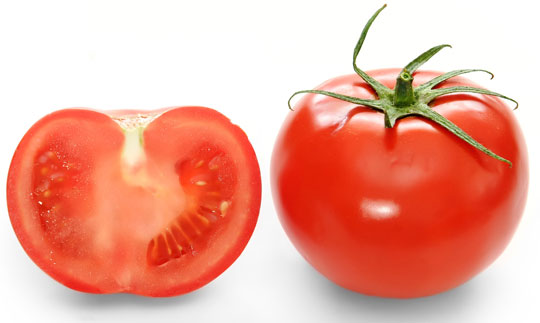
Lycopene in watermelon, tomatoes, red grapefruit ..., helps to prevent type 2 diabetes and obesity-related diseases.
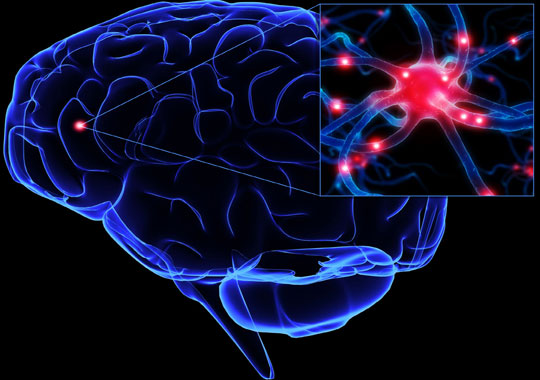
Scientists discovered that a cluster of proteins plays a decisive role in the development of more than 130 brain diseases including autism.

According to scientists, people with heavy body weight are often better at distinguishing food flavors than people with light body weight.

French scientists say long-term exposure to pesticides and herbicides may increase the risk of Alzheimer's disease.
Artificial kidneys are no larger than a cup of coffee, which can perform major functions of the kidneys in the human body.

E-cigarettes, which are increasingly used in the world, are believed to be unsafe and pose a risk to health.

People who regularly rinse their mouth with green tea 3 times a day for at least 3 months are less likely to get the flu.

Scientists at the University of California have explained the nature of laziness and, according to them, is a heredity.

Recent research by scientists has shown that eating less vegetables and fruits can increase diseases like obesity and diabetes.