New technology
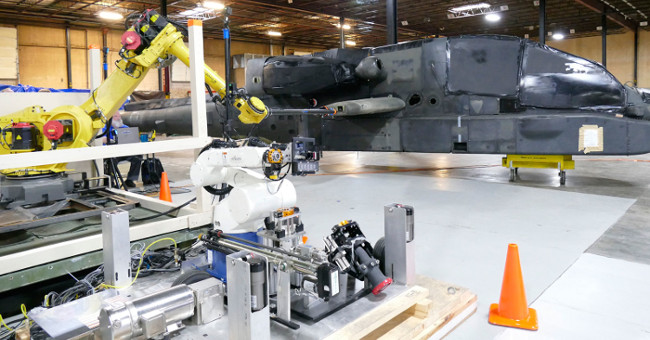
The US Army tests refueling robots for combat helicopters
The army regularly set up refueling stations at forward bases so helicopters could return to the war as quickly as possible.
Track emerging technologies, autonomous vehicles, advanced materials, clean energy, robotics and engineering breakthroughs changing the future.
7,777 published items in this category and its subcategories.
The army regularly set up refueling stations at forward bases so helicopters could return to the war as quickly as possible.
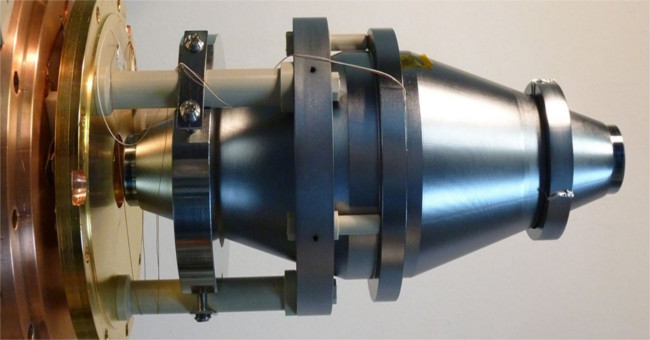
Scientists have set a new record of laser sharpness when a laser has a linewidth of only 10 milihertz (0.01 hertz).
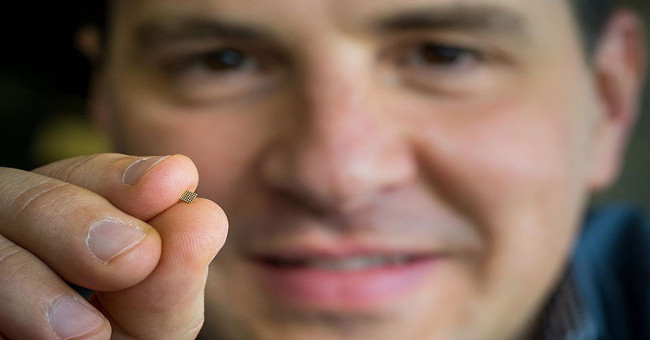
This device was created by the director of Machine Learning of Microsoft, Mr. Ofer Dekel.
The fastest car in the world today is a former Royal Air Force pilot and research team. They built the Bloodhound SSC to break the fastest speed record of the world curr…
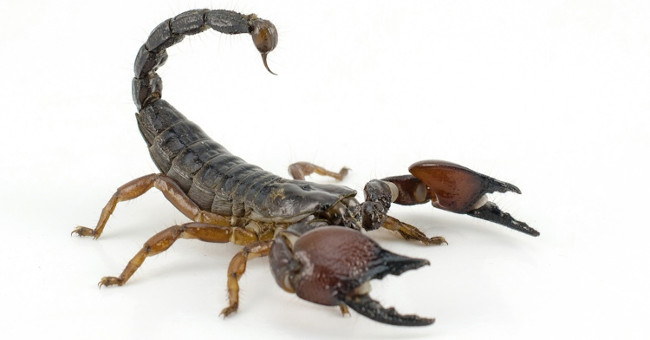
Scorpion venom has many uses in medicine, including support for cancer research and development of anti-malarial drugs.
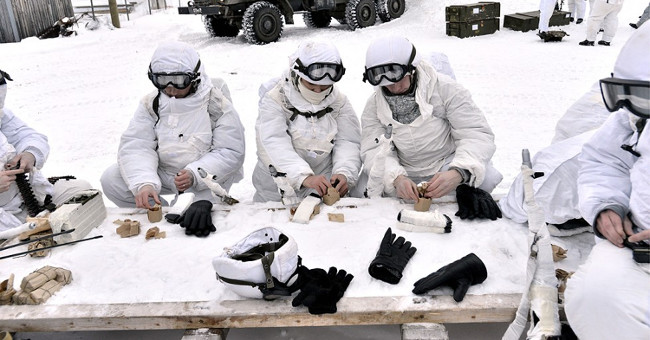
The military uniform is water resistant with three insulation layers, energy-rich foods are factors that help Russian soldiers fight in the North Pole.
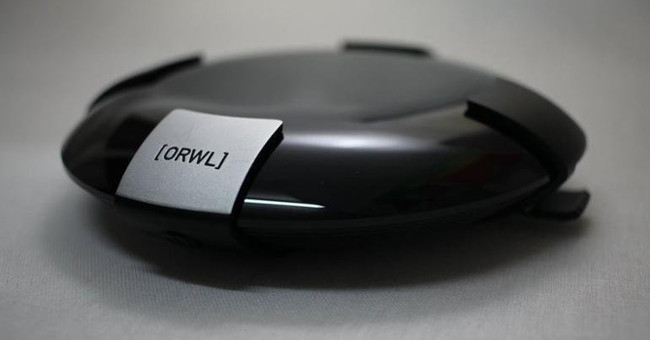
Orwl is a highly secure personal computer, capable of self-destructing to protect your data while being compromised.
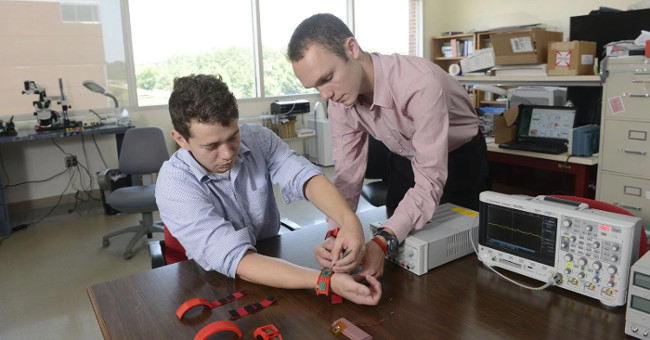
A device only works well when there is a good battery, but if not done carefully, it can lead to dangerous fire situations.
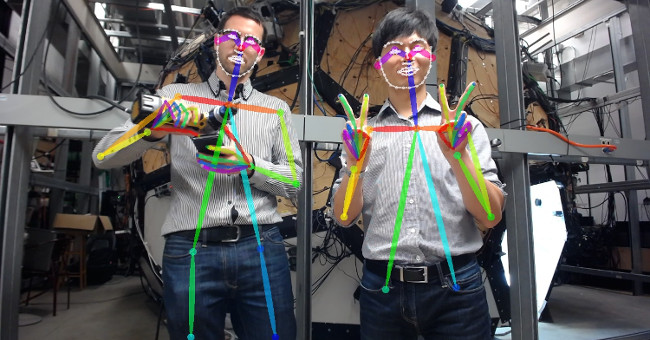
This is a new code that helps computers first observe every small movement of many people at the same time and have the ability to make robots understand language withou…
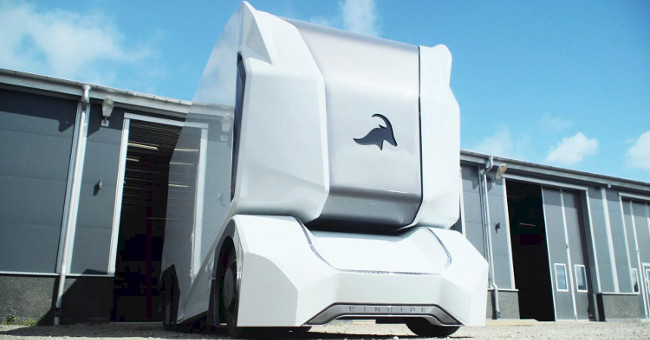
This T-pod electric car is much shorter than a regular tractor, only 7 meters by cutting off the cockpit of the vehicle.
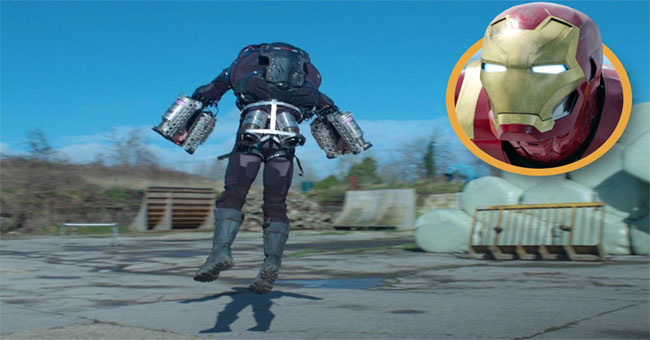
Many modern technologies can help people possess special abilities like superman in science fiction movies.
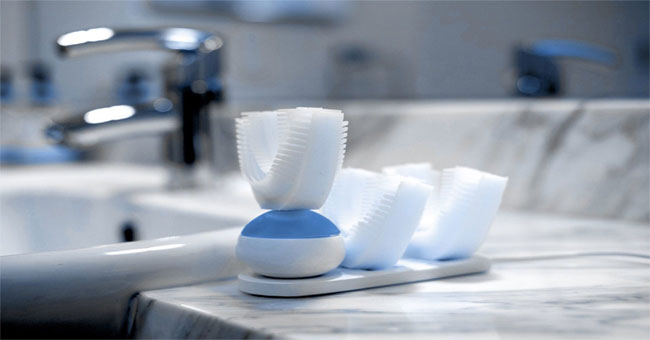
With this special toothbrush you only need 10 seconds to brush your teeth. This saves a lot of time each year for personal hygiene.
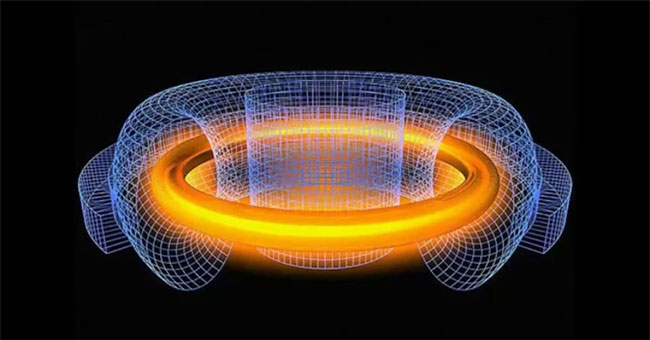
A step closer on the long journey to the dream

Photosynthesis is a very important autonomous process, which is responsible for providing life for not only plants, but all living things on the earth - including us.
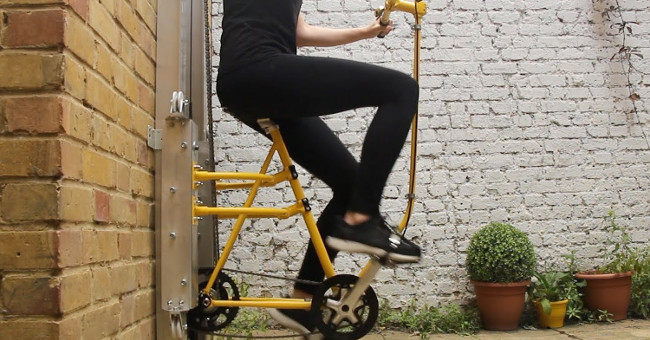
Elena Larriba at the Royal College of Fine Arts in England created the Vycle device to allow users