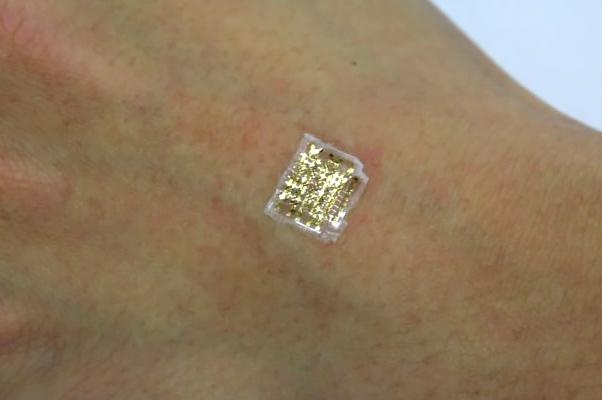
New technology
3D printers are smaller than cells
South Korean researchers are developing 3D printing technology that allows them to print smaller, cellular details.
Track emerging technologies, autonomous vehicles, advanced materials, clean energy, robotics and engineering breakthroughs changing the future.
7,777 published items in this category and its subcategories.
South Korean researchers are developing 3D printing technology that allows them to print smaller, cellular details.
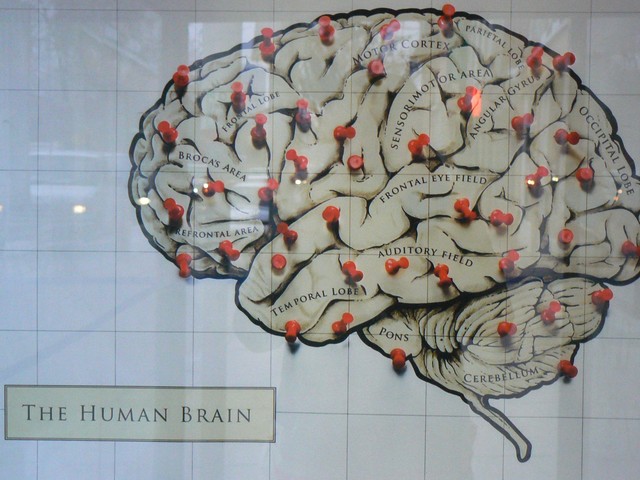
Current technological advancements have helped recreate the video through human thinking or thinking to control a car. And most recently, research has helped convert bra…

Self-propelled vehicle technology promises to bring people safety, comfort and personalization. Currently, there are many cars equipped with auto technologies such as ga…
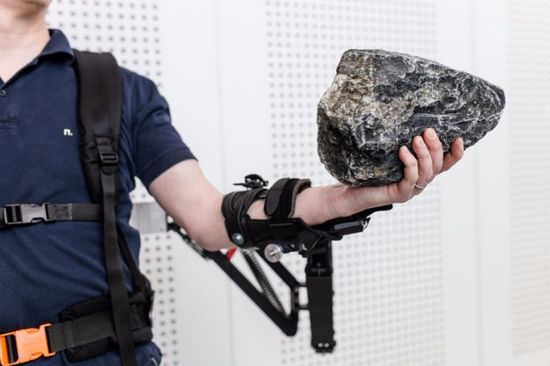
Scientists in Stuttgart (Germany) have announced they are working on a project called Robo-Mate, which helps create industrial robots used in industry, with the ability…

US scientists use artificial blood to sterilize deadly mosquitoes.

A supercar with a weight of only 1/3 compared to other super cars on the market.

Forget the physical touch screens and buttons, Google's Soli project allows users to control electronic devices by waving their hands in the air.

Scientists at the University of Technology in Sydney have invented a self-cooled roof material.

In the near future, we can see houses built with wood materials through 3D printing.

US scientists have created a micro-magnetic robot system that can swim in blood vessels and spinal cord, carry an electric syringe from a syringe or dissolve blood clots…

This technology, called Shift Sneaker, a shoe that converts colors to match the mood and style of users.

As a smart light bulb capable of automatically adjusting color temperature in accordance with the biological pace of the user's body, Silk Light has brought a definition…

Engineers at the city of Perth say they have successfully built a construction machine that can complete a brickwork of a home in just two days, thanks to a 20-fold high…

The materials research team at the University of Michigan has recently successfully built a new type of conductive material that flexibly bends and bends.
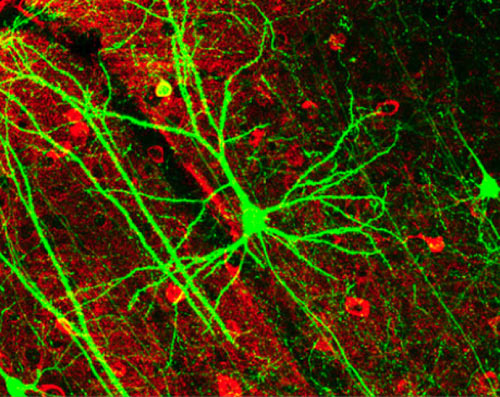
Swedish scientists have successfully developed an artificial neuron capable of transmitting nerve impulses similar to neurons in the human brain, opening new directions…