New technology
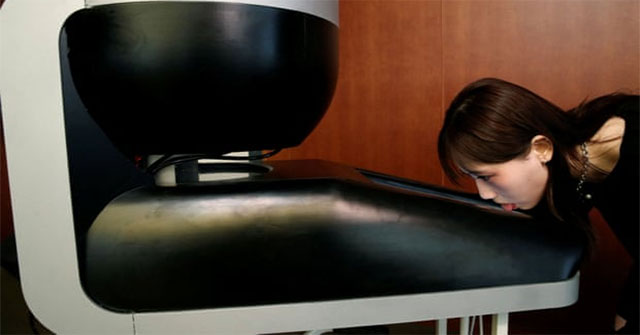
Japan develops TV screen to help users taste food
A Japanese professor has developed a TV that allows users to touch the screen with their tongue to taste the food. This is a new breakthrough in multi-sensory experience.
Track emerging technologies, autonomous vehicles, advanced materials, clean energy, robotics and engineering breakthroughs changing the future.
7,777 published items in this category and its subcategories.
A Japanese professor has developed a TV that allows users to touch the screen with their tongue to taste the food. This is a new breakthrough in multi-sensory experience.
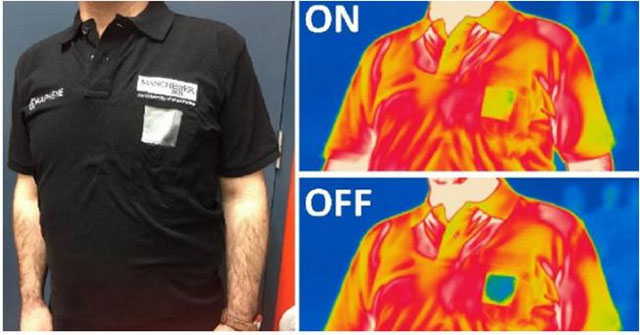
It seems that this type of clothing is more about some specialized function than beautifying people.

In a proof-of-concept test, the team produced the world's longest flexible battery filament, up to 140 meters, to demonstrate that the material can be manufactured to ar…
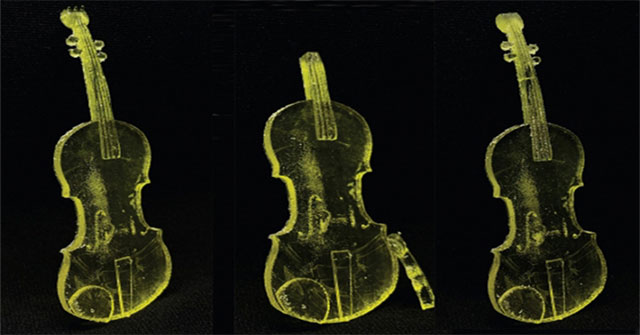
The scientists added a special powder to the 3D-printed plastic so that when it breaks, it can be simply repaired on-site.
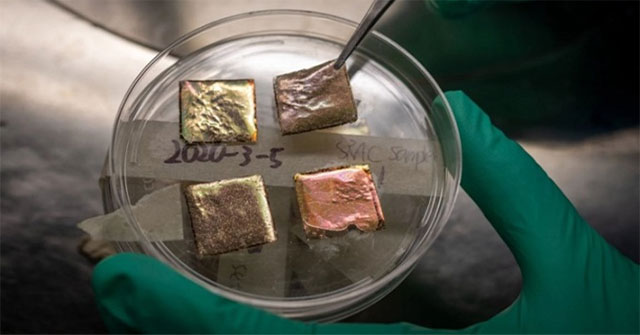
A team of engineers from Berkeley Labs developed roof coatings that can make buildings warmer or cooler depending on the weather.
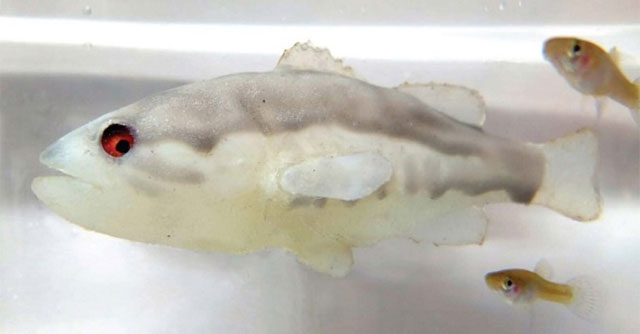
Robot fish shaped like sea bass becomes the fear of invasive mosquito fish.

The team says the robotic hand is capable of helping in many areas that require both strength and finesse.
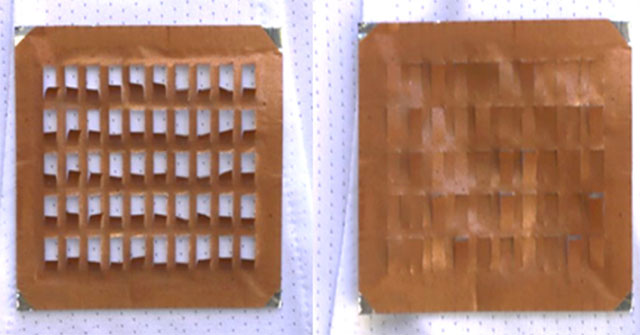
Thanks to the tiny flaps and the silver coating on the outside, the new fabric is both warm and cool at the same time.
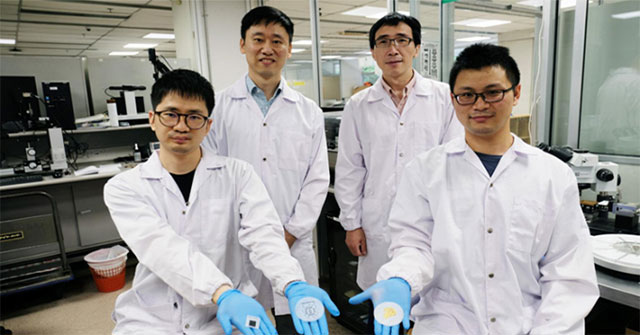
Experts at Nanyang Technological University have developed a new type of battery that can supply power continuously even when bent or twisted.
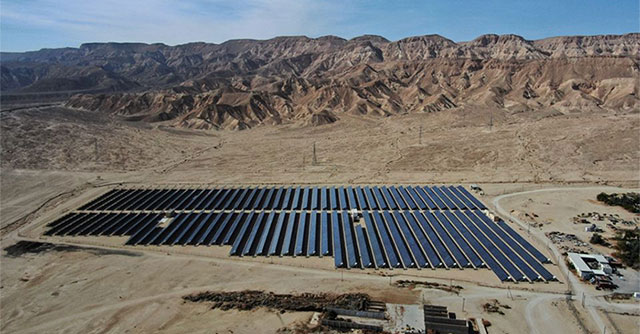
Renewable energy from the sun and wind is often difficult to store. This is a major barrier in the global effort to switch to renewable energy.
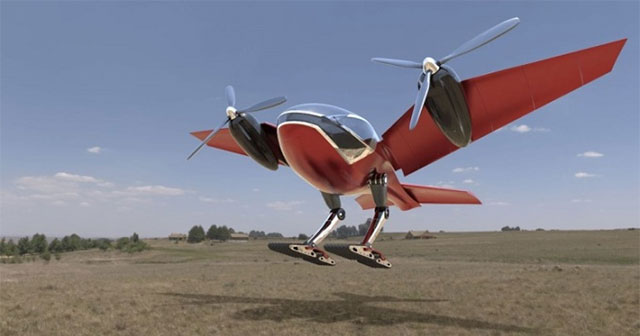
Start-up company Phractyl develops a flying taxi with crow's feet, a cabin and tilting wings, with a top speed of 180km/h.

Scientists have taken a huge step forward in being able to transform matter using only light.
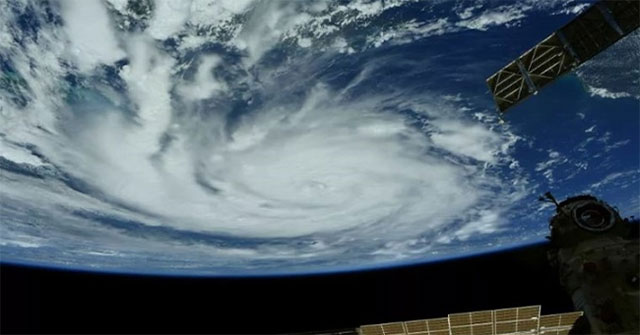
Bubble screens, the technology that keeps Norwegian bays ice-free in winter, could prevent future powerful storms in the Gulf of Mexico.
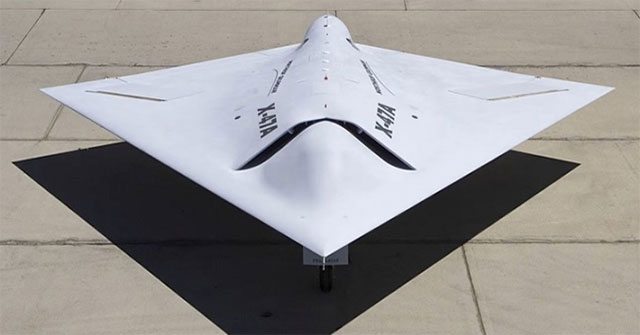
The Chinese team built and tested a prototype of a supersonic engine based on a bold design by a NASA scientist more than two decades ago.
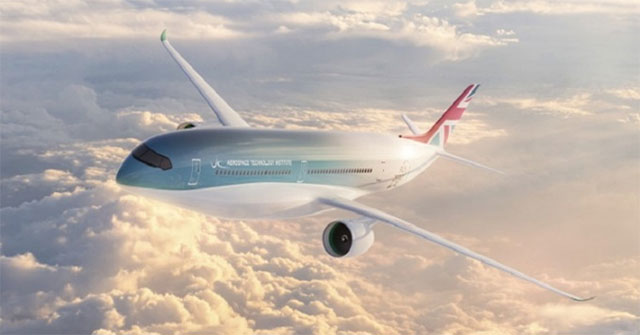
The Aviation Technology Institute (ATI) on December 6 announced the design of a hydrogen-powered medium-sized long-haul aircraft that can carry 279 passengers with a ran…