New technology
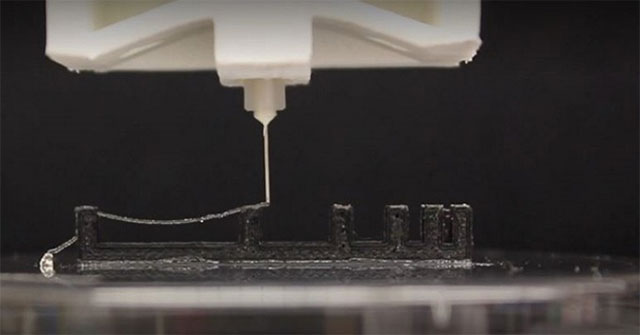
Development of 3D printing ink from living bacteria
3D printing ink is made entirely of E. coli bacteria, helping to create sustainable constructions that can repair themselves.
Track emerging technologies, autonomous vehicles, advanced materials, clean energy, robotics and engineering breakthroughs changing the future.
7,777 published items in this category and its subcategories.
3D printing ink is made entirely of E. coli bacteria, helping to create sustainable constructions that can repair themselves.
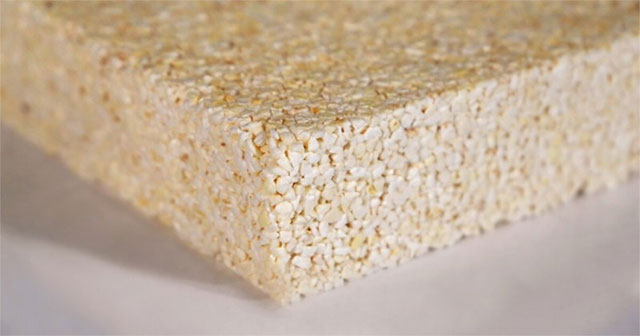
EPS foam, also known as foam plastic, is a primary plastic granule that, after being heated and expanded, becomes a compound containing Bentan gas (C5H12).

A team of Israeli researchers recently developed technology that tracks facial muscle movements to detect when someone is lying.
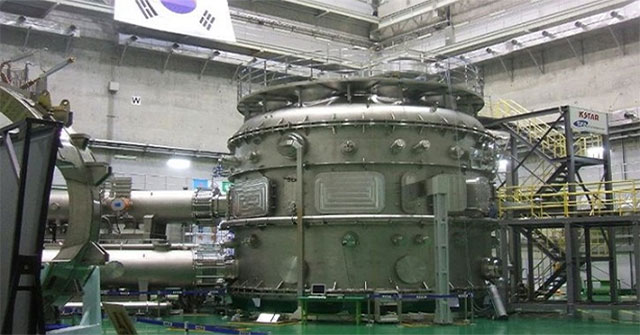
Scientists at the Korea Institute of Fusion Energy set a new record when maintaining a superheated plasma stream for 30 seconds in a tokamak reactor.

Skydiver Peter Salzmann won a Guinness World Record for completing the first flight in an electric flight suit.
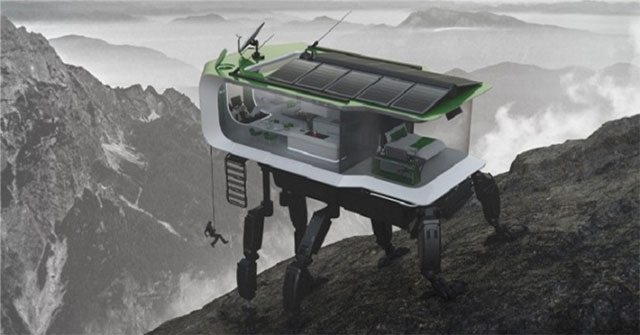
A smart home that moves with 6 legs can go on all terrains such as steep hills and canyons, meeting the needs of working, living and traveling in the time of Covid-19.
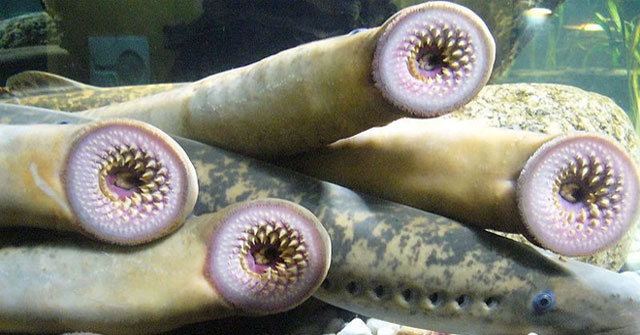
Fortunately, sucking blood is not in the program of this robot.
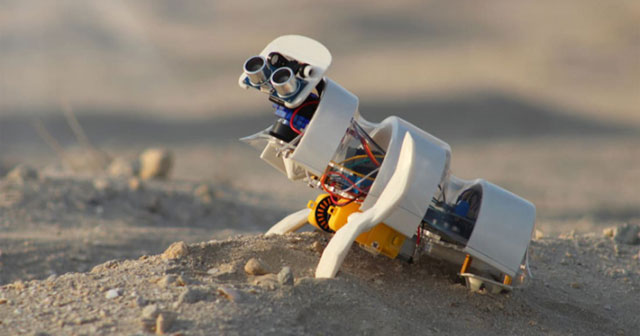
Robot A'seedbot is equipped with a solar battery, which can be charged during the day and then works at night within a radius of 5 km.

The Benthic Rover II robot is made from wear-resistant, good-pressure-resistant materials, and uses low-battery devices to operate continuously for a year.

Architects will build a miniature city using modern technology and clean energy, allowing people to go anywhere within 10 minutes.
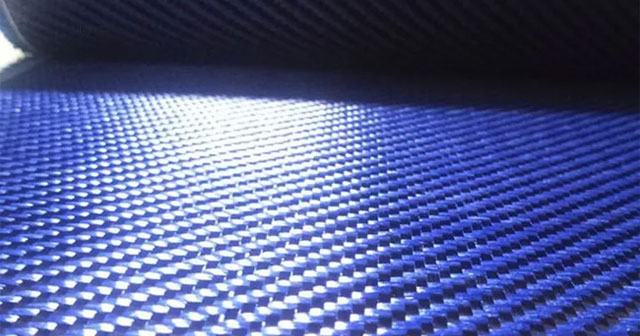
Chinese researchers have developed a carbon material that conducts electricity 1 million times without structural damage.

China is showing great determination in the field of fusion energy.
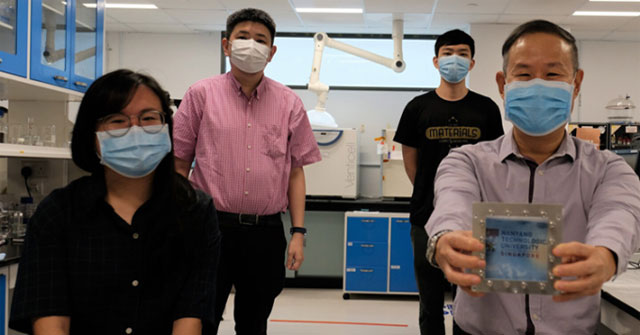
Scientists have developed a new material to cover window glass, which helps control the amount of heat that passes through depending on the season of the year.
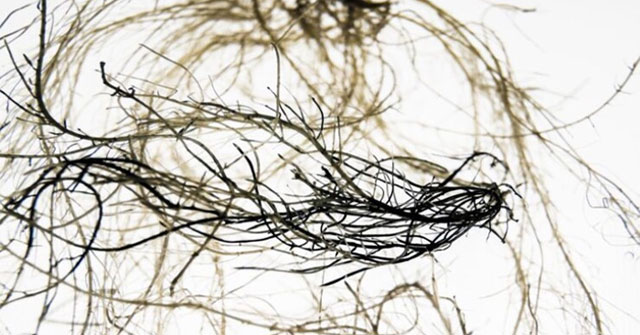
A new research project from Linkoping University (Sweden) has proven that using plant roots as an energy storage device is a viable option.

It has helped a mute and paralyzed person communicate after nearly 15 years.