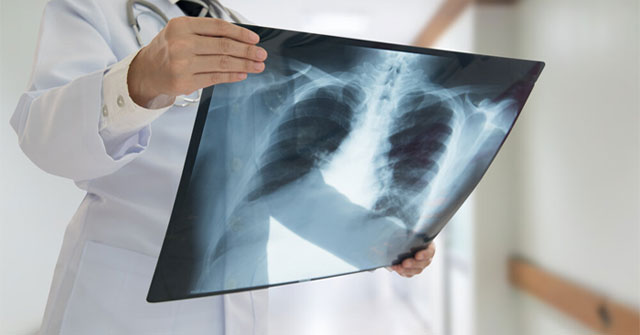
New technology
Successfully built the world's thinnest X-ray detector
Australian researchers have built the thinnest X-ray detector ever.
Track emerging technologies, autonomous vehicles, advanced materials, clean energy, robotics and engineering breakthroughs changing the future.
7,777 published items in this category and its subcategories.
Australian researchers have built the thinnest X-ray detector ever.

Design firm StudioMOM created the LAVO bike, a small vehicle that uses hydrogen for long-distance travel instead of a heavy battery pack.
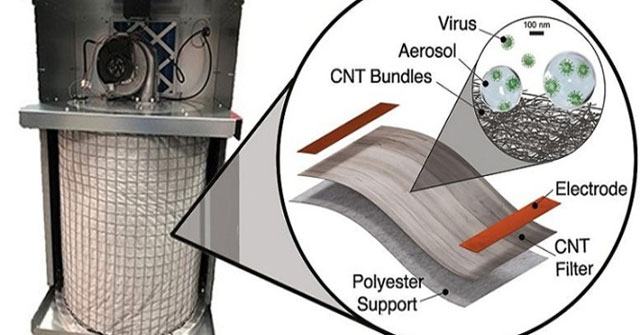
Scientists and engineers at the University of Cambridge have developed new air-filtering nanomaterials that can attract and destroy a variety of viruses, including a clo…

A Siberian town is testing a direct nuclear-powered heating system from a mini-plant on a barge.
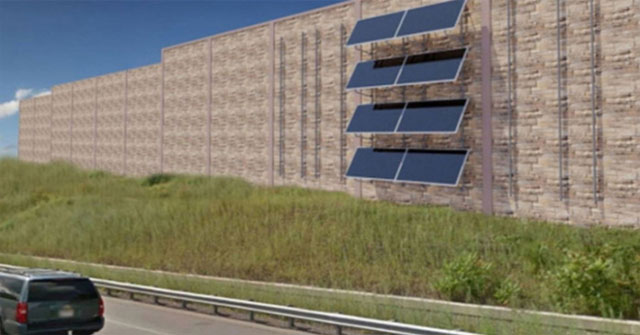
Ko-Solar Company plans to install solar panels on Interstate 95 roadside acoustic walls, which is expected to produce enough electricity for 100 homes.
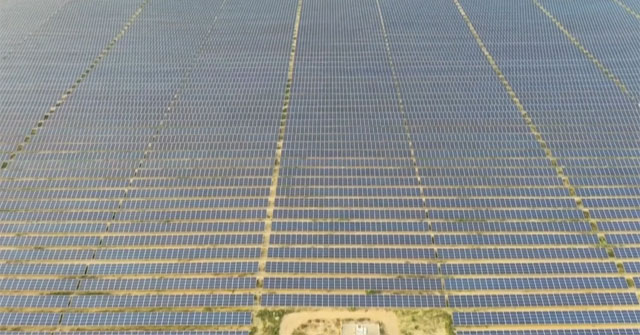
Once a vast desert area, Bhadla Park in Rajasthan now has a completely different look thanks to millions of solar panels.
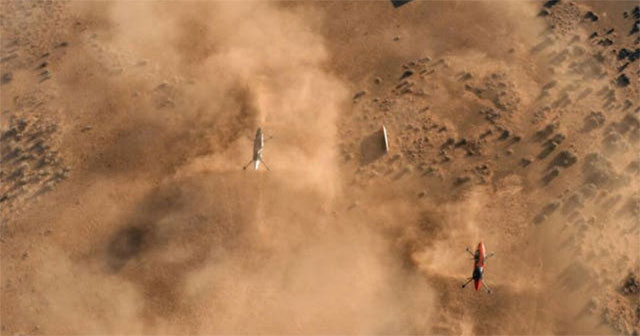
Two vertical take-off and landing flying cars participated in a short test race with a length of 300 m and an altitude of 15 m.
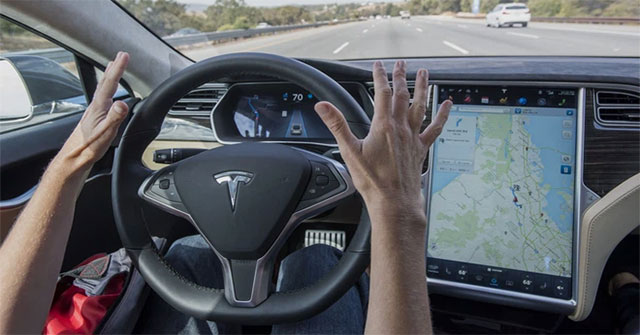
Some experts say that autonomous vehicles will be realized in a century or more, others believe that Level 5 autonomy will never happen.
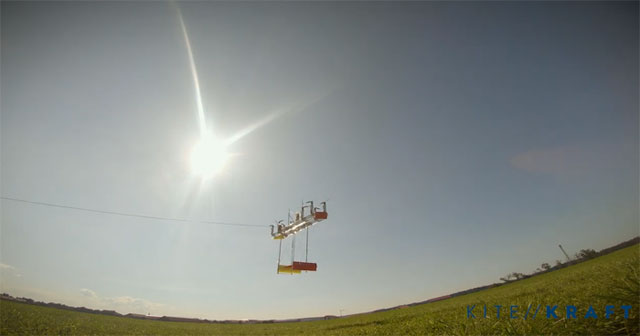
Kitekraft's kite-shaped wind turbine design helps to reduce construction costs, making it easy to apply in places where it is difficult to transport large propellers.

Tatamel electric scooter when folded is only 0.7 m long, 0.68 m high and 0.26 m wide, which can be stored under the table.
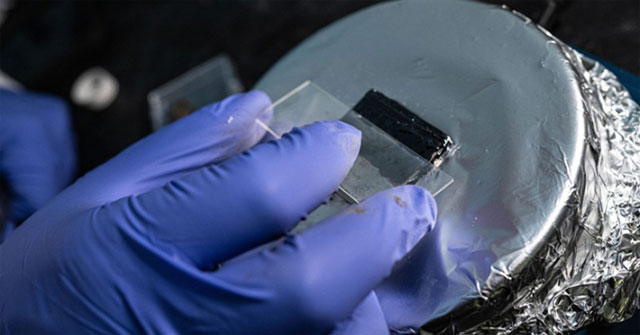
Coatings made from sulfur-selenium compounds have many advantages such as protecting steel in seawater and self-healing when cut or punctured.
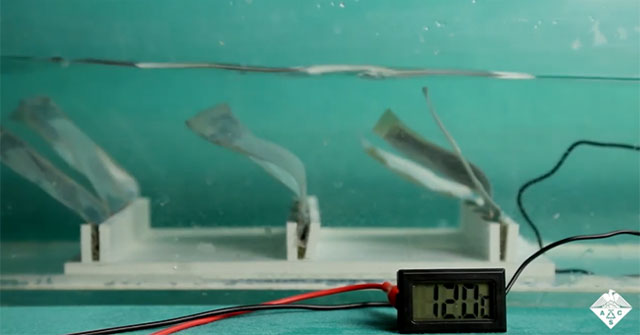
Dalian Maritime University built generators that convert wave motion into electricity, powering equipment at sea.
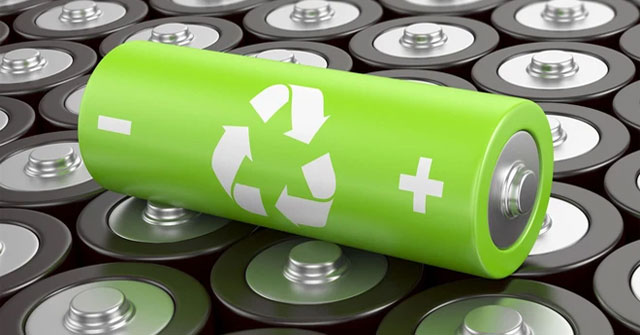
The first battery recycling plants using new technology will open in 2022.
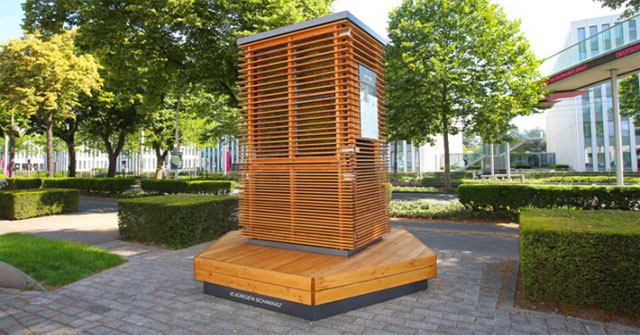
The CityTree outdoor filter not only corrects pollution in the surrounding area, but also helps to reduce the air temperature by 2.5 degrees Celsius.

The world's largest container terminal in Shanghai concentrates most of the smart technology and large-scale automation in the seaport sector.