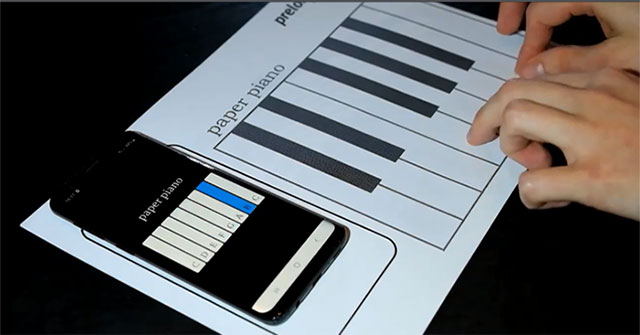
New technology
Successfully made a piano as thin as a sheet of paper
The Austrian company creates paper pianos by printing the keys and circuit boards on paper, which are then combined with chips and smartphones.
Track emerging technologies, autonomous vehicles, advanced materials, clean energy, robotics and engineering breakthroughs changing the future.
7,777 published items in this category and its subcategories.
The Austrian company creates paper pianos by printing the keys and circuit boards on paper, which are then combined with chips and smartphones.
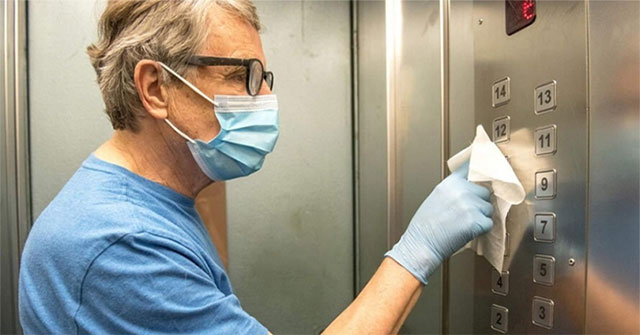
Researchers in Hong Kong (China) announced the development of the world's first stainless steel that can kill the SARS-CoV-2 virus in a few hours.
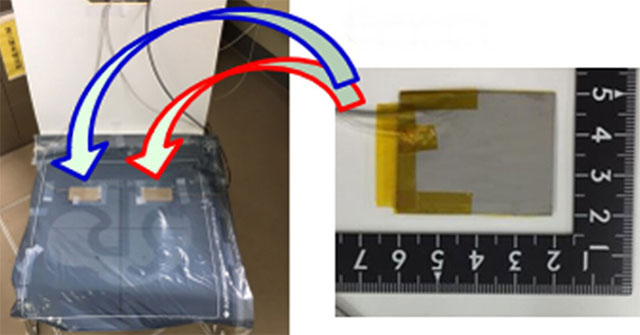
Scientists have developed a system of sensors mounted on car seats to detect when the driver is reclining, heart rate or breathing changes.
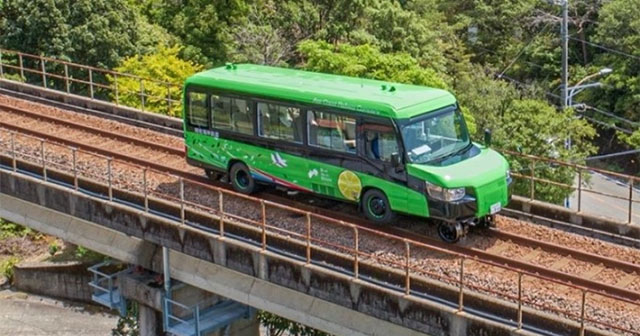
The new Dual Bus (DMV) will start operating in Japan on December 25, and can run at 80 km/h in rail mode.

MeaTech 3D company announced on December 7 that it had successfully bioprinted a 104g steak consisting mainly of fat and artificial muscle cells.
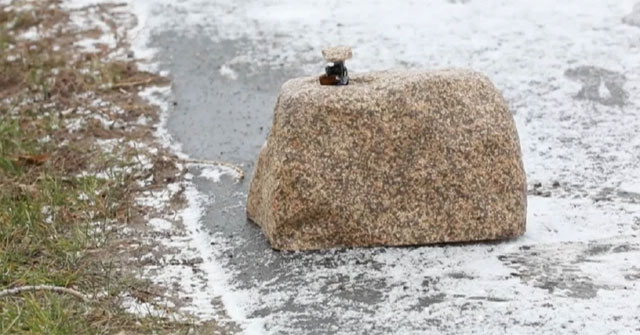
This rock-shaped spy device was developed by Voronezh Academy as a new way to secretly track enemies.
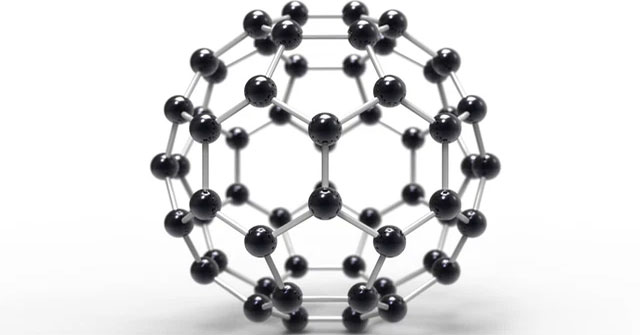
Diamond glass material has great potential in electronics manufacturing.

The world's first sustainable homes are 3D printed with locally available soil, helping to provide shelter to people displaced by the disaster.
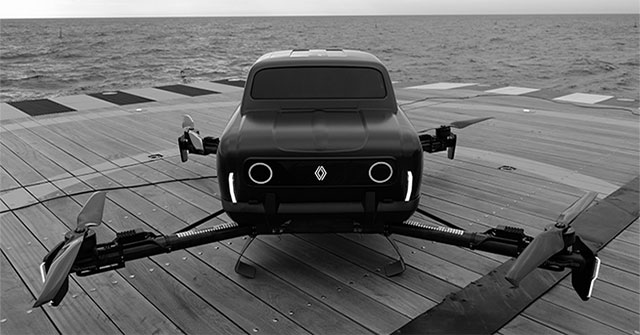
The AIR4 demonstration flying car was designed based on the 1961 Renault 4L model, but replaced the wheels with 4 propellers with a lifting capacity of 380 kg.
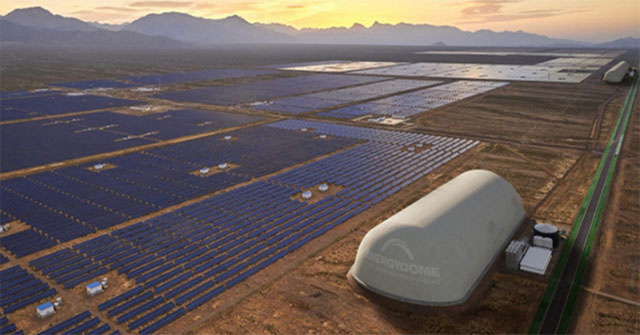
The new CO2 battery system can operate for 25 years without loss of efficiency, helping to save costs for energy storage.
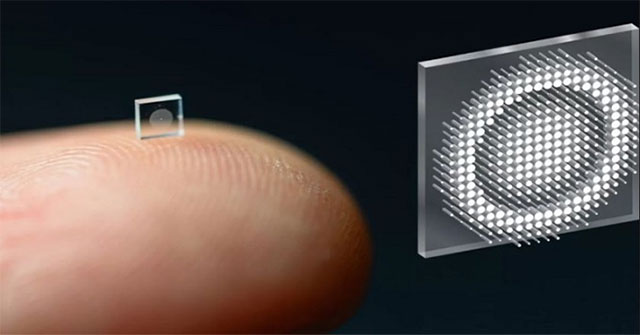
Despite its ultra-small size, the 0.5mm wide camera can capture color images at the same quality as conventional lenses 500,000 times larger.
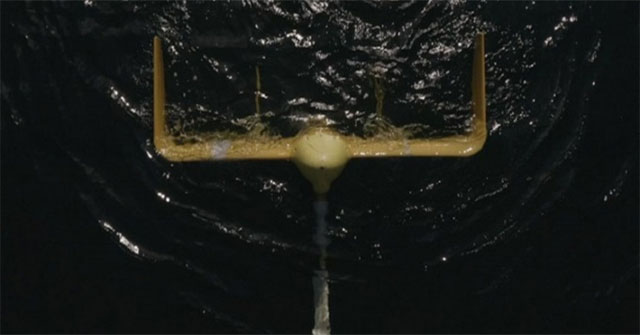
The new bladed turbine design will help the Faroe Islands generate all of its electricity from renewable sources by 2030.

There is still a long way to go, but surely this technology could one day allow us to get from New York to Los Angeles in under a second.

The researchers designed traffic lights that use foam that helps absorb the kinetic energy of a crash, reducing the risk of injury and breakage in an accident.
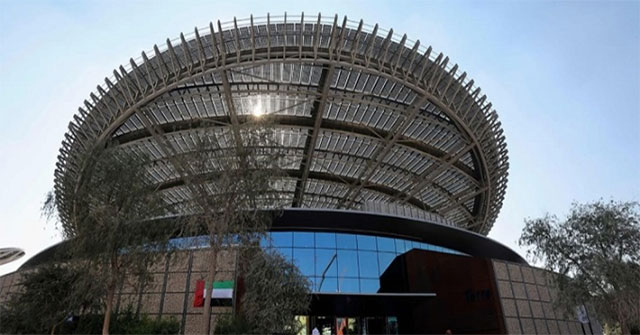
With energy trees and 1,000 solar panels on the roof, the Sustainability Pavilion can produce up to 4 gigawatt-hours of electricity per year.