New technology
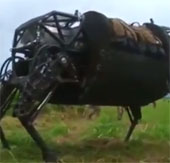
US Army tests $ 2 million robot
US Marines have tested a $ 2 million robot at RIMPAC's largest naval exercise in five years.
Track emerging technologies, autonomous vehicles, advanced materials, clean energy, robotics and engineering breakthroughs changing the future.
7,777 published items in this category and its subcategories.
US Marines have tested a $ 2 million robot at RIMPAC's largest naval exercise in five years.
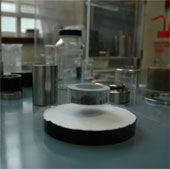
Researchers from Cambridge University recently created a high-temperature superconductor with the ability to create a magnetic field of 17.6 Tesla.
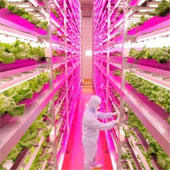
Humans have spent more than 10,000 years of agricultural history and know a natural disaster such as droughts and floods that could wipe out their energy during the year.

BAE Systems has unveiled a number of concept models capable of transforming, self-repairing and printing 3D unmanned aerial vehicles.
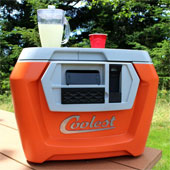
Ryan Grepper (Oregon, USA) has introduced a versatile portable refrigerator called the Coolest, which resembles a rockbox but has more functions.
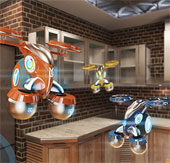
After a day's work at home, you want to rest and sip a favorite drink, press the button to instruct the robot to function bartender and serve in place.
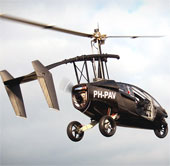
The Pal-V One Helicycle can run on the freeway as a three-wheeled motorcycle, and in a matter of minutes jumps into the air like a helicopter.
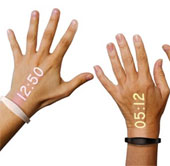
A group of developers has set up the Indiegogo website, which publishes a completely new intelligent clock project, which is able to display information directly on user…
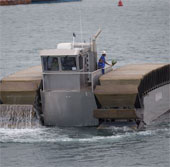
The US Marine Corps has just released a new kind of amphibious vehicle, designed to land on beaches, transport soldiers and overcome land obstacles.
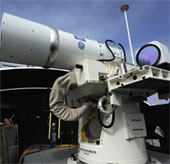
The detection and interception of missiles to limit the risk of aircraft being attacked in the air can be done easily with laser technology in the future.

With the new device, users can immediately determine whether their drink has been sexually abstained.
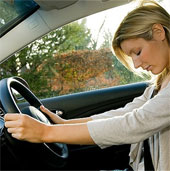
Spanish engineers designed seat belts to help regulate the driver's heart rate and signal them to wake up if the driver is in danger because of a drowsiness behind the s…
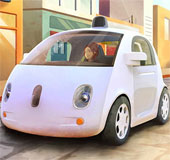
By 2030 - 2035, cars on the road are believed to be without the use of rear-view mirrors, gas pedals, brake pedals, whistles, and even the complete absence of steering w…

Scientists from the Medical University of Tomsk in Russia's Siberian region have developed a technology that allows the production of sanitary products from peat mos…
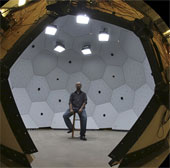
Motion tracking technology has come a long way in development over the years and is often caught in cinematic effects.