
New technology
'Turning' raindrops into energy
Scientists have found a new way to use the energy of direct droplets.
Track emerging technologies, autonomous vehicles, advanced materials, clean energy, robotics and engineering breakthroughs changing the future.
7,777 published items in this category and its subcategories.
Scientists have found a new way to use the energy of direct droplets.
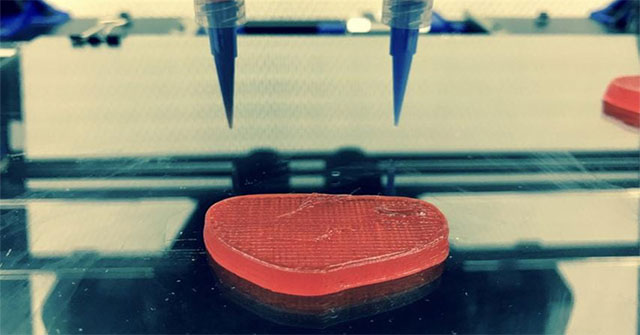
According to the team, the cost of printing 100g of meat with this technology is only about $ 3, not too high compared to buying meat directly in the supermarket.

The scientists project an electric field force then use a scanning electron microscope to affect the mechanical properties of diamond nanofibers.

US scientists have developed a new platform called COMET that enables the discovery and modification of basic cellular functions.
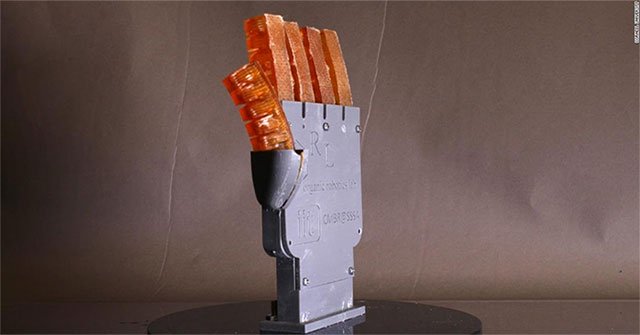
This is likely to be a breakthrough compared to previous engineering robots, creating a generation of robots capable of performing many tasks in high temperature environ…
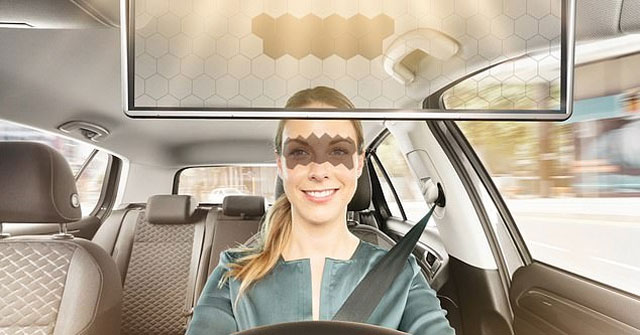
The Bosch Group introduced a transparent sun-shading device, which uses artificial intelligence to locate the driver's eye and then shading the sun without blocking the…

The PigeonBot robot changes the shape of the joint joints and controls the two wing joints to navigate like a dove.
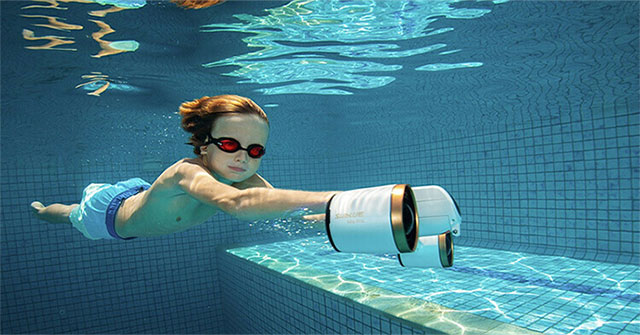
The device weighs about 2kg, reaches a speed of 1.8m per second, dives 5 - 40m deep, uses 60 minutes continuously on a full charge.
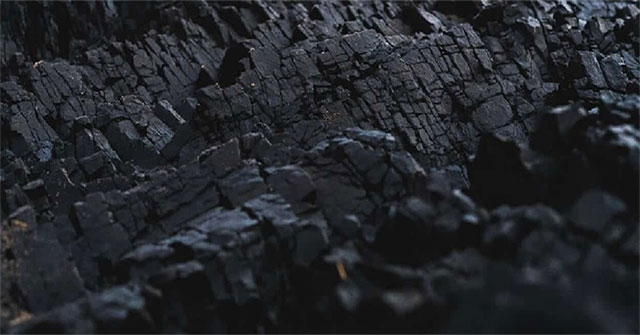
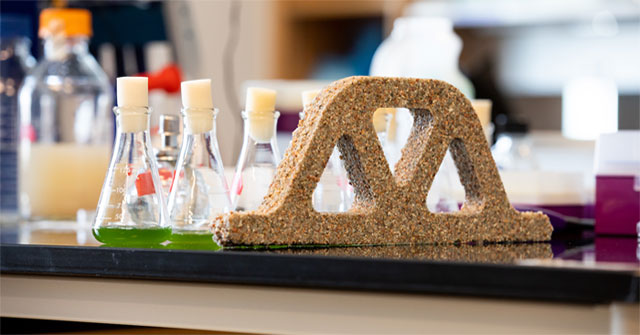
Scientists have used rice husks and sawdust to make biochar to help emit less CO2 and reduce the shortage of fossil fuels.

Concrete builds the foundation of the modern world today, but what drives the future of technology based on that concrete is lithium-ion batteries.
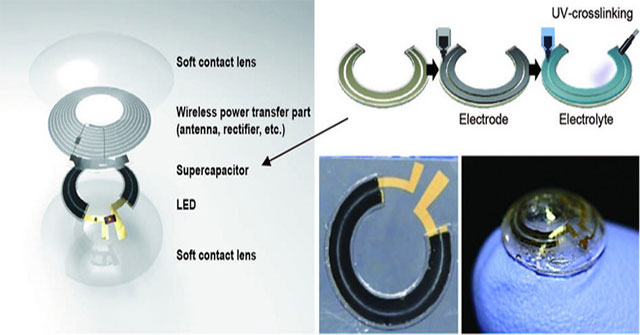
Out of the brain chip and then the smart contact lens, not so much that people evolved into half biological and half mechanical.
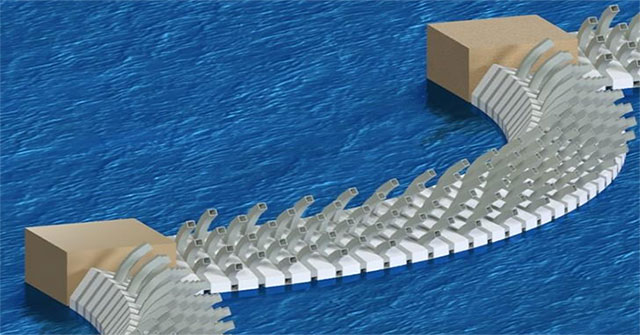
'Artificial floating forests' developed by Australian engineers are flexible fences of concrete and plastic pipes of many kilometers in length to eliminate waves and red…
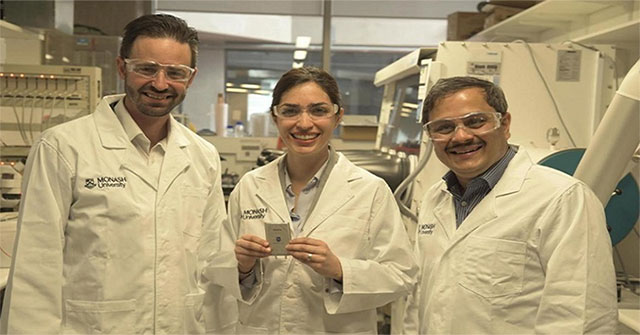
The new battery can power smartphones for five days or allow electric cars to run 1,000 km on a single charge.

Perhaps a future not far from the robots thought only in sci-fi movies will come to life.