New technology
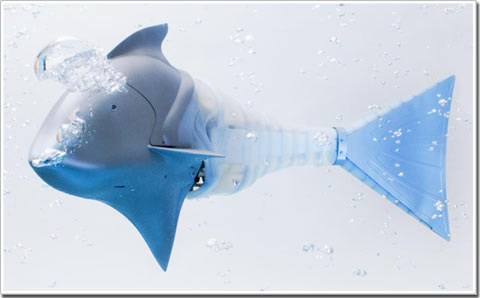
Airacuda - fish machine
Festo, an international automotive technology developer, designed and created the Airacuda, a remote-controlled pneumatic pneumatic fish.
Track emerging technologies, autonomous vehicles, advanced materials, clean energy, robotics and engineering breakthroughs changing the future.
7,777 published items in this category and its subcategories.
Festo, an international automotive technology developer, designed and created the Airacuda, a remote-controlled pneumatic pneumatic fish.
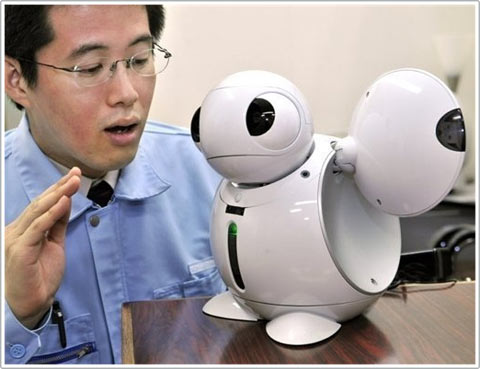
Japan's Toshiba says it is building a robot that says ApriPoco can turn off the TV or control other electronic devices. This robot is continuing to improve to serve…
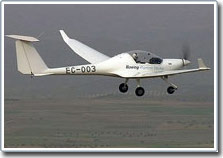
US airline giant Boeing announced on April 3 for the first time in the world that a hydrogen powered airplane flying into the sky, a turning point that could open up the…
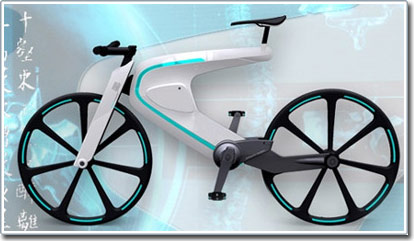
Night riding is dangerous because no one sees you. But the design of Rudi Moosmeier (Germany) will solve this problem: it is a self-glowing bike, helping people see you…
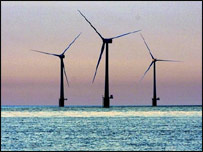
A professor in Britain has come up with the idea of 'storing wind power' in the form of compressed air in giant underwater bags. And an energy company has poured…
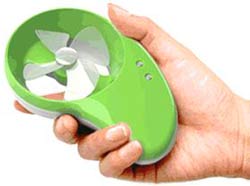
You are riding a bike and the wind is blowing your hair away - and now it can be in a very small sized solar and wind charger that is attached to the handlebar or upper…
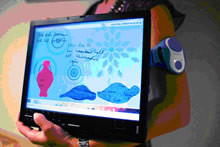
Emotion is an internal part of communication. But the machine does not have, does not understand and does not react. This makes us - those who operate them - upset. Howe…
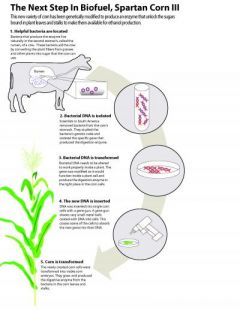
According to Michigan State University scientists, enzymes from a type of bacteria living in cow's stomach hold the secret to turning corn plants into fuel. Enzymes help…

The battery life of digital devices has been extended by 30%. The breakthrough of researchers at the Argonne National Research Center has just been made available to inc…
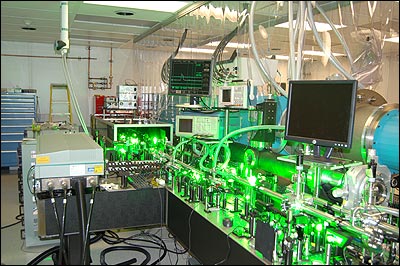
In a lab in Texas, the team at the Center for High-Level Laser Science created the most brilliant laser so bright that scientists could create a star on the table.
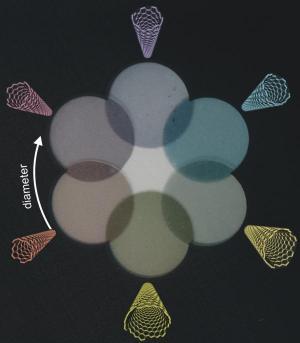
Carbon nanotubes are promising materials for high-tech applications because of their rare properties of mechanics, temperature, chemistry, optics and electricity.
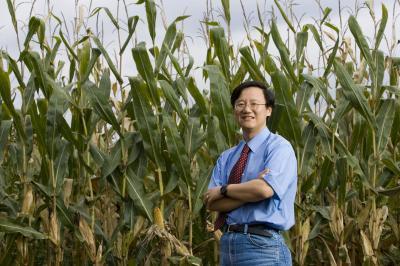
Chemists are working out a plan to develop a revolutionary way to convert sugar into hydrogen. The synthetic hydrogen will be used as a fuel for hydrogen fuel cell vehic…
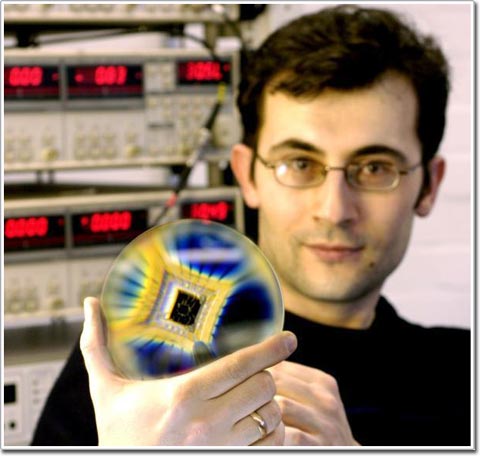
Researchers have created the smallest transistor in the world - only one atom thick and 10 atoms wide, from materials believed to replace silicon in the not-too-distant…
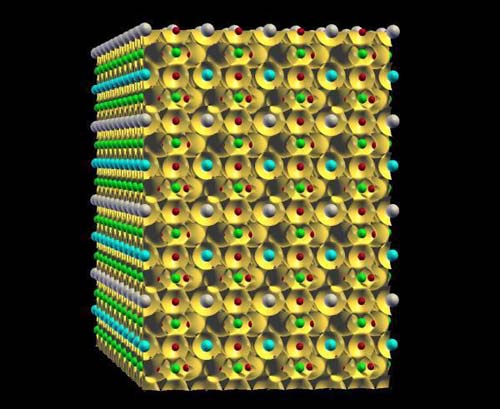
In the April 10 issue of Nature, a newly published artificial material marks the beginning of a revolution in material development for electronic applications.
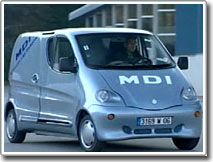
A French engineer promises to sell a compressed-gas-powered car within a year, without the expense of a cheap price. The OneCat will have five seats with a fiberglass bo…