New technology
In 5 years, cell phones will go extinct?
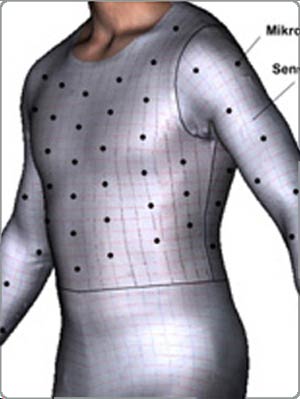
Phones that we still use today will go extinct in just five years. The alternative is mobile computing, which is integrated into the clothes we wear every day.
Track emerging technologies, autonomous vehicles, advanced materials, clean energy, robotics and engineering breakthroughs changing the future.
7,777 published items in this category and its subcategories.
Phones that we still use today will go extinct in just five years. The alternative is mobile computing, which is integrated into the clothes we wear every day.

Sharper Image (USA) has launched a speech robot that can help curb spending habits of indiscriminate users. Product name
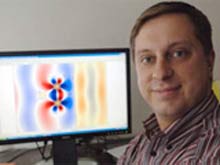
The entanglement of wires and sockets every time the electronic devices are charged may soon fall back into the past as US researchers at the Massachusetts Institute of…

Massachusetts Institute of Technology researchers say injecting small amounts of ethanol into the engine when the car is accelerating or climbing can save about 20-30% o…

It's a bag created by the Geneva-based graphic engineer Yvan Hoesttler to help people with 'environmental consciousness' classify garbage, recycle things tha…
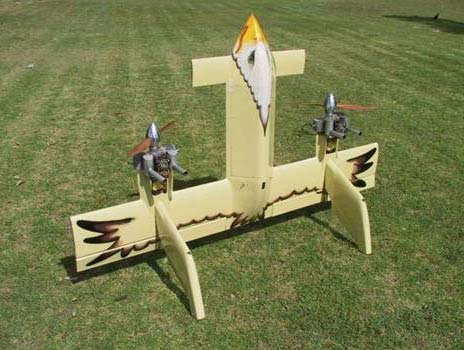
Research team The University of Sydney has successfully tested a new unmanned aerial vehicle (UAV) model combining the advantages of helicopters and fixed wing aircraft.

Italian scientists say they have built a new water purifier that will reduce water costs by half. Water purification technology has been used in many countries to recycl…

Damaged rubber tires, which are piled up at the bottom of rivers and in garbage piles around the world, can be used to create ideal water filtration devices, US environm…


Toshiba (Japan) has created a new printer, B-SX8R, which is used to print resin paper that can be reused 500 times. The paper is made of a plastic called PET
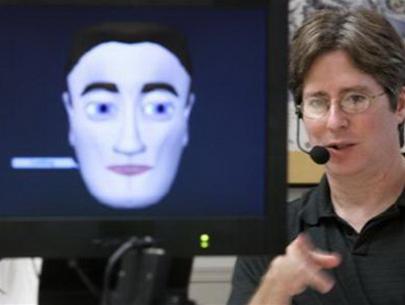
'George fled!' - Alan Schultz ordered. George thought for a moment and then said hoarsely: 'I'm going to hide now!'. Then George hid behind the carton and kept it
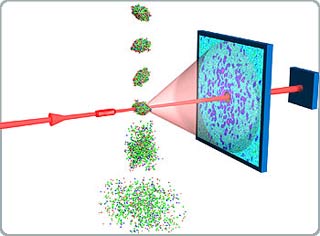
For the first time, Lawrence Livermore National Laboratory scientists (LLNL) have demonstrated that people can use extremely powerful and ultra-short X-ray pulses to 'ca…
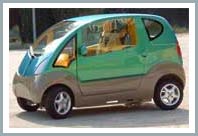
According to Negre's father, this unique car only costs ... $ 2 for a long journey of 190 km, with a maximum speed of nearly 90 km / h! Iranians say they have a sola…

Sony's research center in Tokyo has just discovered how to connect headphones to portable music players and video players without the need for wires. Their solution…
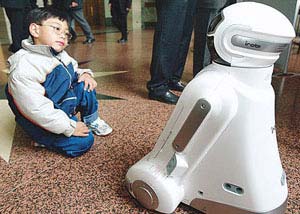
A world where people and robots live together under one roof is no longer a fiction when in some advanced countries today, many families have used robots to do household…