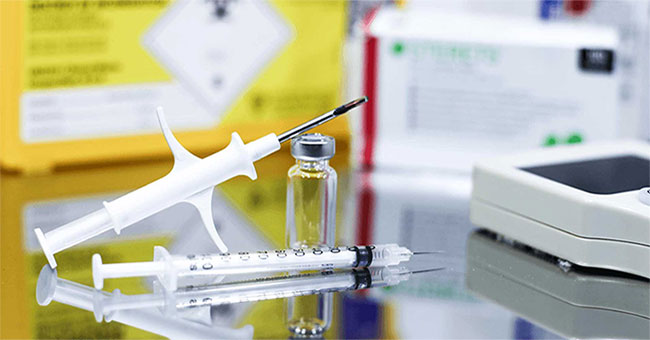
New technology
British companies want to implant microchips on workers
BioTeq - a British technology startup - is now being hired by other businesses to implant RFID (microchips) onto employees to access buildings and access databases.
Track emerging technologies, autonomous vehicles, advanced materials, clean energy, robotics and engineering breakthroughs changing the future.
7,777 published items in this category and its subcategories.
BioTeq - a British technology startup - is now being hired by other businesses to implant RFID (microchips) onto employees to access buildings and access databases.
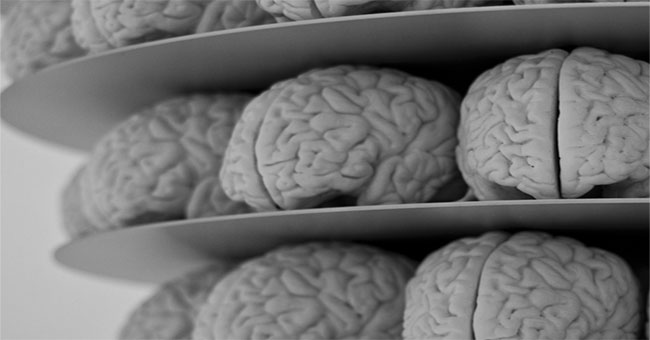
According to BGR technology site, Samsung's team in Switzerland recently announced a new project in hopes of creating the first smart TV that can be controlled only by t…
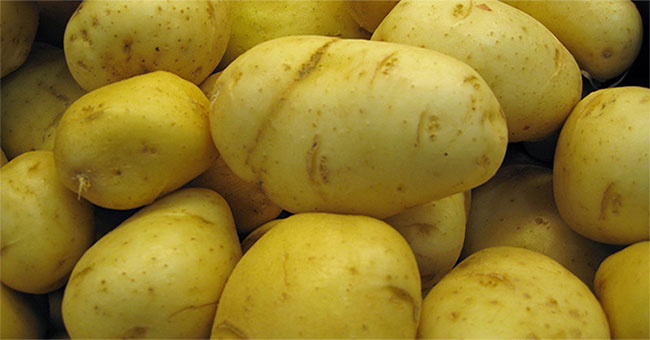
According to HuffPost, student Pontus Trenquist at Lund University (Sweden) has created a material from potato starch of similar nature.
Hot weather not only makes people feel uncomfortable but also reduces work efficiency, the first solution many people thought about was probably turning on the air condi…
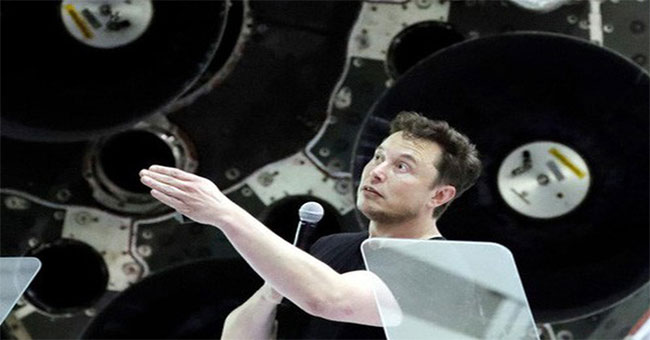
When officially operating, the system will lose the balance of the global network economy.

This device is intended to help elderly or disabled people read books without having to use their hands. Instead of blinking, it is possible to transfer book pages.
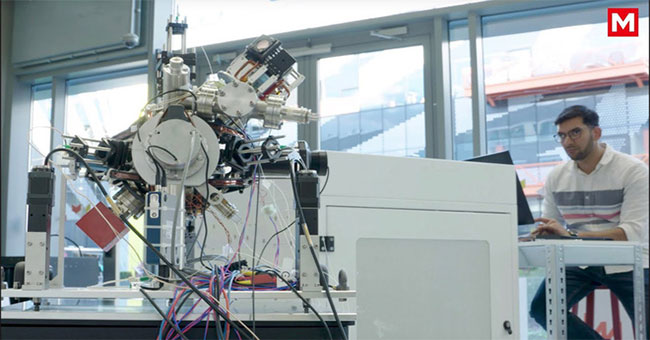
GPS positioning is one of the key elements that appear in many modern technologies of this century.
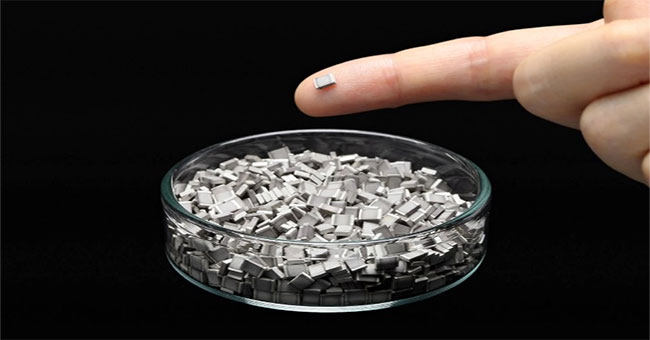
Li-ion batteries in billions of devices operating globally are now technologies that have revealed many shortcomings.
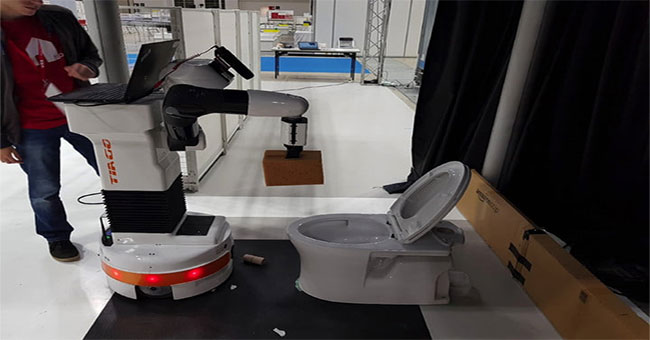
When it comes to a list of jobs that you find most annoying, clean the toilet
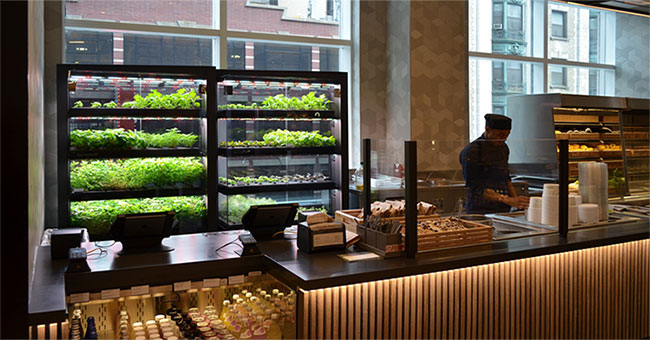
Farmshelf is an indoor agricultural farming system designed to cater to the needs of food (especially vegetables) of restaurants and hotels.
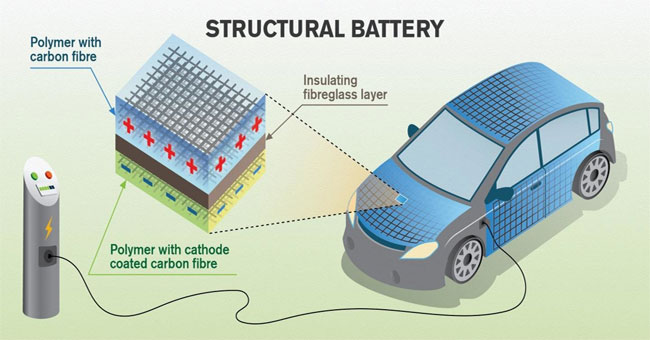
This finding opens up opportunities to create batteries with new structures, in which carbon fiber will become an important part of the energy system.
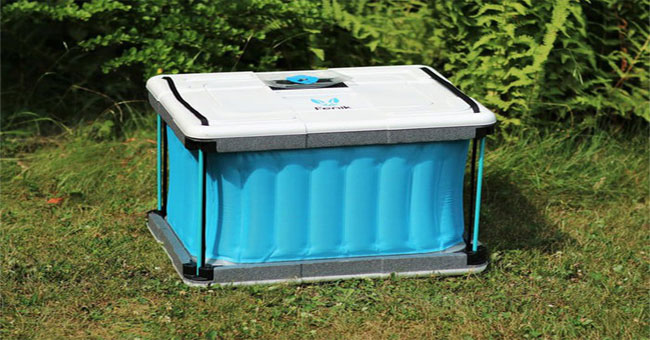
When going on a picnic, the problem of keeping food cold always makes us headache. You can ice but the carry will be heavy and troublesome, not keep for long.
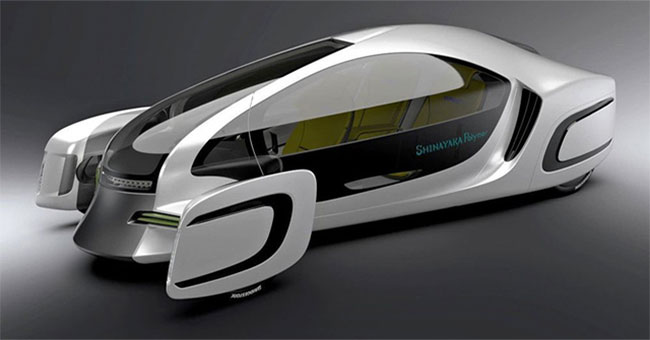
Because it is made of plastic, this model is 40% lighter than a regular car, saving more energy.
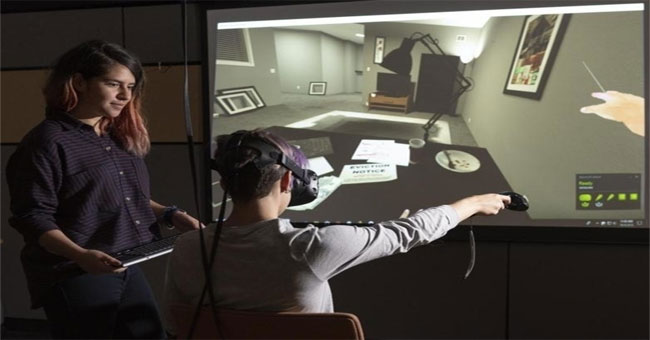
Based on virtual reality technology (VR), Stanford scientists have rediscovered despair and despair, thereby inspiring compassion and empathy in every human being.
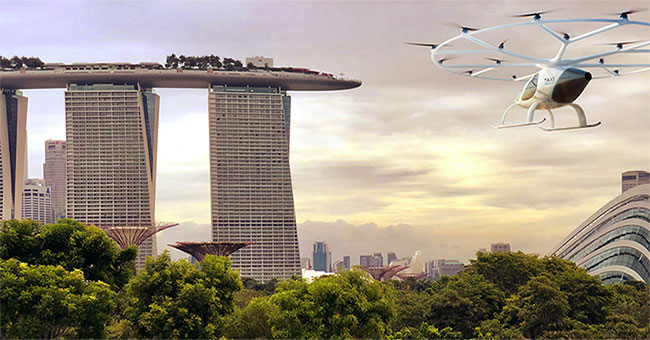
The model of a vertical take-off taxi developed by German airline company Volocopter will have the first test flight in the sky over Singapore in the second half of next…