
Oceanography
Interesting discovery of sea snakes
Although living in oceans, sea snakes do not drink saltwater even if they are very thirsty.
Dive into ocean science, marine life, deep-sea discoveries, polar ecosystems, underwater geology and mysteries hidden beneath the world's oceans.
2,285 published items in this category and its subcategories.
Although living in oceans, sea snakes do not drink saltwater even if they are very thirsty.

Ronnie Dabal is fishing outside Puerto Princesa Bay (Philippines) on the afternoon of December 17 when a strong wind overturned his boat.

The scientific community is recording the rapid recovery of some of the coral reefs that had been destroyed during the Indian Ocean tsunami, four years ago.

Coral development in Australia's famous Great Barrier Reef underground is the biggest decline in the last four centuries.
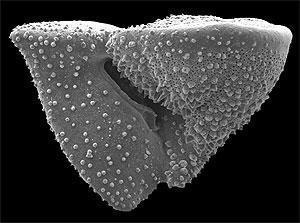
New evidence discovered by oceanographers is a challenge for one of the oldest theories about the evolution of marine animals.
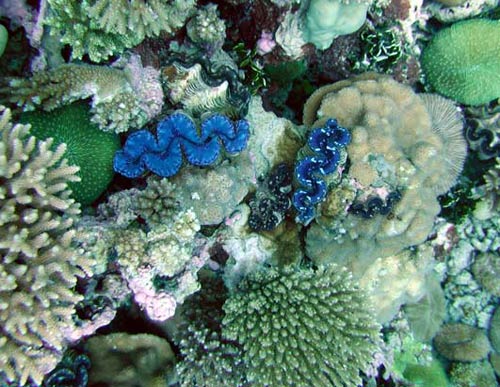
In one of the largest conservation efforts in history, President Bush yesterday announced the planning of a large-scale biodiversity conservation area in the Pacific.
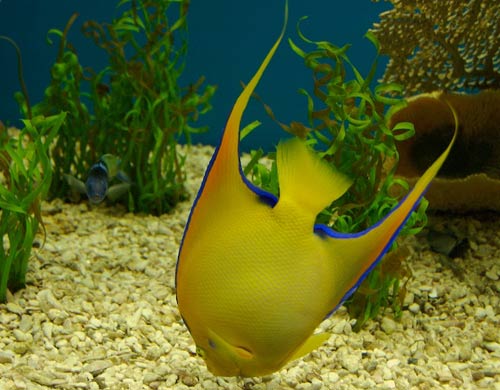
Scientists have long believed that fish's brain can only store information for a few seconds. But one test proved that they can remember up to 5 months.

Researchers at the University of Tampa (USA) found that sharks actually have very weak jaws compared to their size.


Scientists at Columbia University in Canada have discovered an unprecedented role for fish, is

Thanks to a synthetic chemical, US scientists can destroy aggressive fish that live on the blood of other species.

Thanks to gene analysis technology, experts realized that three species of fish are just one and this is a strange transformation in the world of vertebrates.
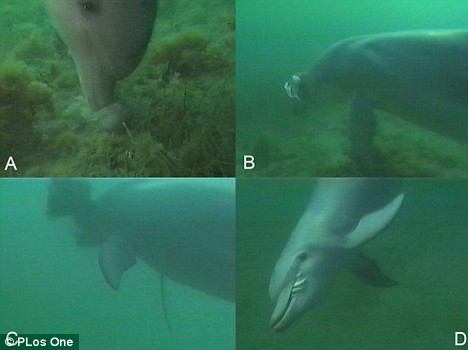
Australian and British experts say so after observing that the bottlenose dolphin in Spencer Bay (Australia) uses an incredibly skilled process to catch and meat the squ…

The herd of dolphins caught in shallow waters in Manila Bay this morning was used by volunteers and lifeguards to use 20 boats to pull them back to deep waters.

The conclusion of a group of US and Swedish scientists shows that dead sea areas - where aquatic species cannot survive due to lack of oxygen - are continuing to expand.