
Oceanography
10 things you probably didn't know about the deepest ocean in the world
With outstanding scientific advances, it is hoped that in the near future, humans can solve all the mysteries of the hadal sea.
Dive into ocean science, marine life, deep-sea discoveries, polar ecosystems, underwater geology and mysteries hidden beneath the world's oceans.
2,285 published items in this category and its subcategories.
With outstanding scientific advances, it is hoped that in the near future, humans can solve all the mysteries of the hadal sea.
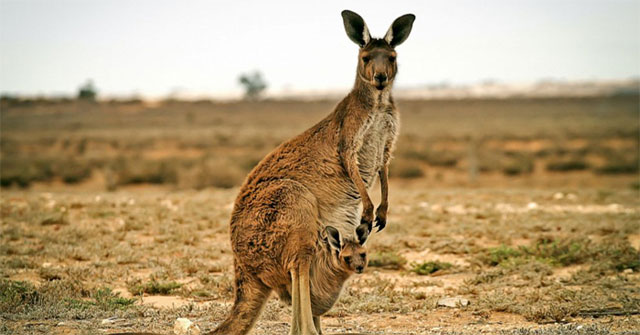
Kangaroo, also known as Kang-gu-ru or Kangaroo, is a group of marsupial mammals of the Macropodidae.
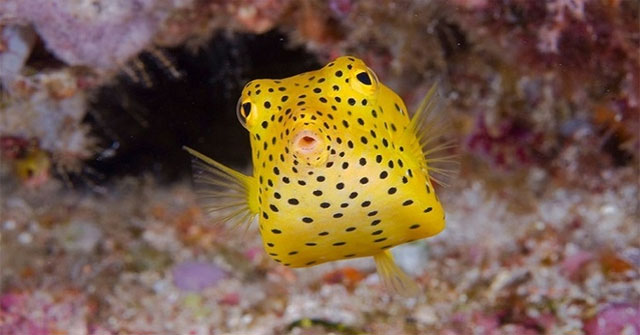
Despite possessing a bulky body, the yellow puffer fish still swim as fast as a shot to catch prey using the caudal fin.
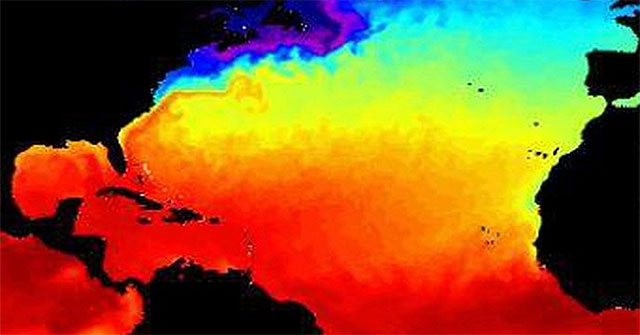
The world's oceans have reached record high temperatures, raising concerns about global warming effects that could make the weather of the year extremely extreme.
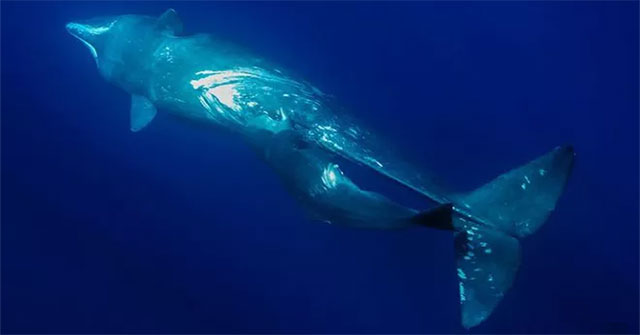
We all know that mammals are breast-fed, but whales live in the ocean, so it's hard to imagine how baby whales will breastfeed.
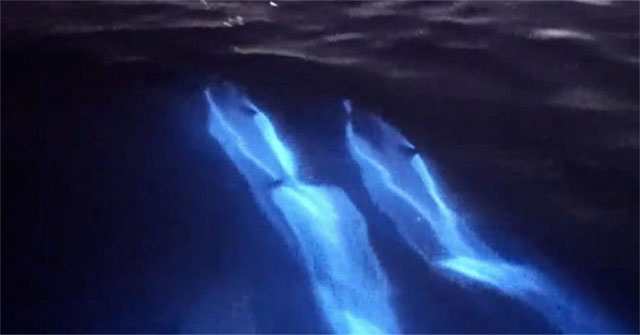
A photographer has recorded images that are thought to be extremely rare as dolphins glow in the darkness of seawater thanks to bioluminescence.
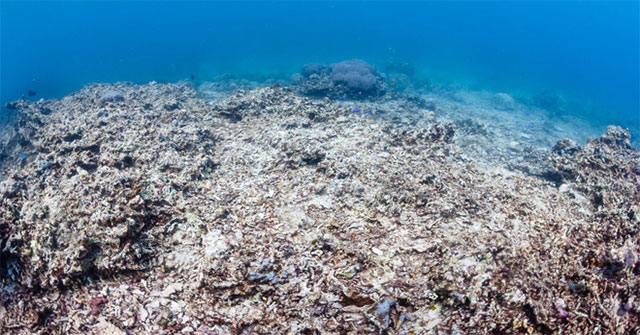
Another effect of CO2 emissions.
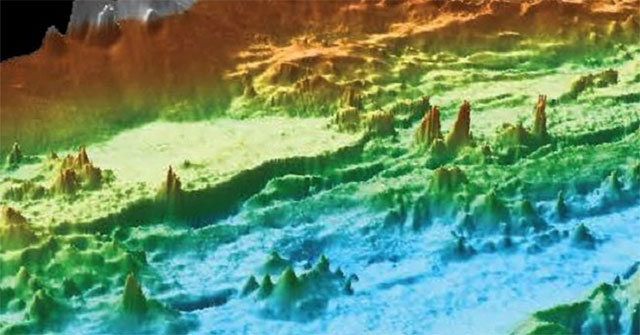
The new underwater map reveals towering towers and hydrothermal vents rising from the sea floor in the dark off the Pacific Northwest.

The researchers said they were shocked by the unprecedentedly high levels of microscopic plastic found on the ocean floor, with 1.9 million pieces in just 1m2.
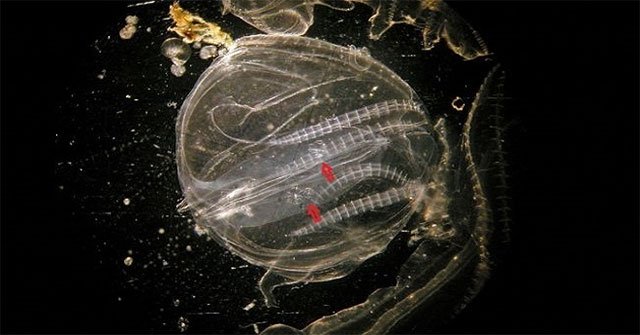
Thousands of invasive Leidyi jellyfish in the Baltic will begin to eat offspring in the late summer to survive a food shortage.
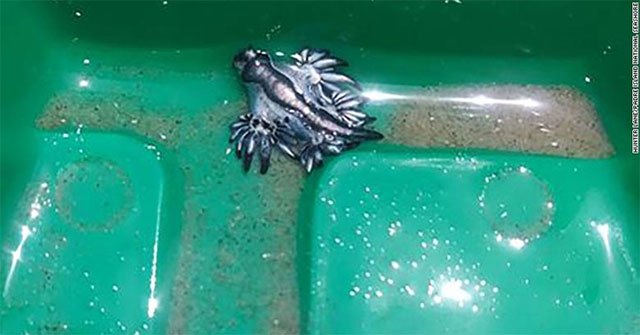
Travelers to the island of Padre in Texas recently discovered uniquely blue creatures like tiny dragons.

In the midst of the pandemic, nature brought an unprecedented gift to night seafarers in Southern California, USA, a bioluminescent wave caused by algae blooms.
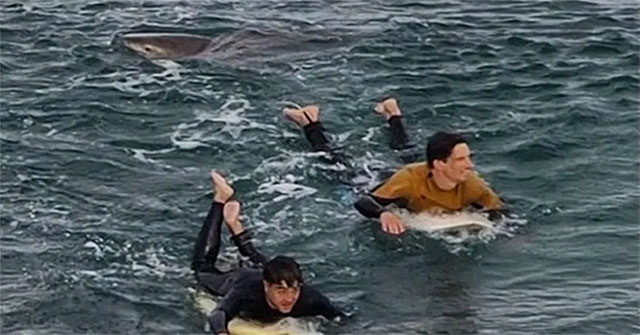
The French man miraculously survived the encounter with the shark thanks to powerful punches to eliminate the opponent.
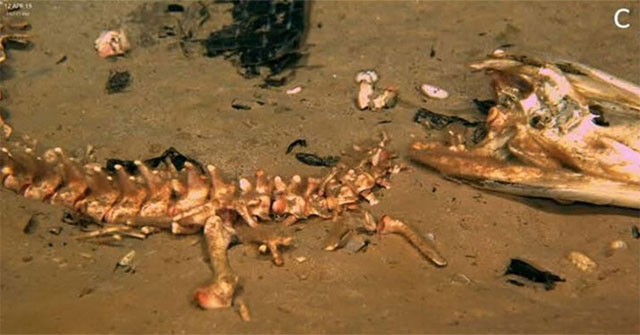
The bodies of 3 crocodiles have been swallowed up by tiny monsters on the ocean floor, and their bones are no longer available.
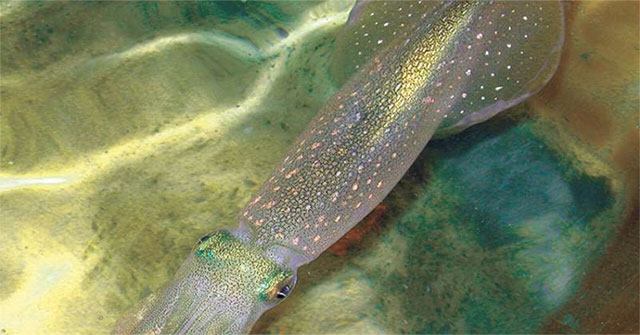
The researchers discovered that ink is the only organism that can modify genes outside of the nucleus of a neuron (neuron).