Oceanography
The ability to help ink communicate in dark waters
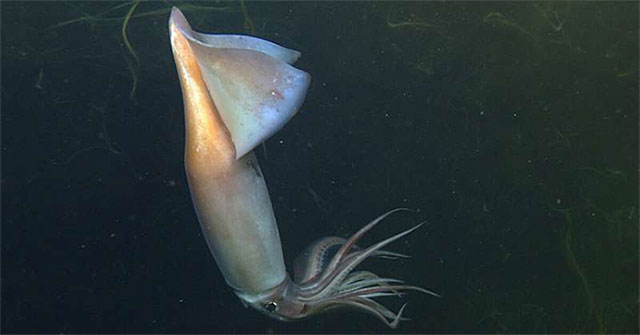
Biologists published evidence that Humboldt squid can communicate visually in the dark sea thanks to its ability to glow.
Dive into ocean science, marine life, deep-sea discoveries, polar ecosystems, underwater geology and mysteries hidden beneath the world's oceans.
2,285 published items in this category and its subcategories.
Biologists published evidence that Humboldt squid can communicate visually in the dark sea thanks to its ability to glow.
Every year, when the Arctic or Antarctic seas fall in winter, the whales begin their 'round the world' journey. Scientists believe that they do so to avoid cold climates…
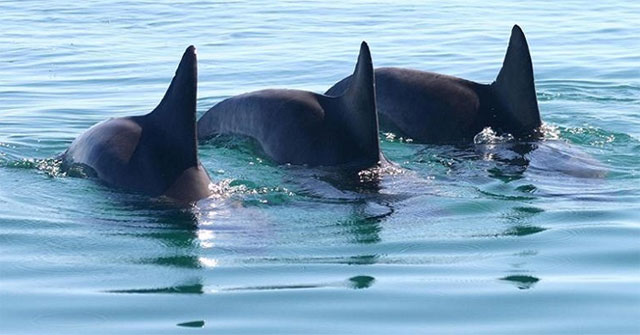
The researchers observed male bottlenose dolphins 'singing' together, coordinated rhythmically, and simultaneously called out to attract female dolphins.
Shrimp, oysters, sponges and shellfish can effectively remove virus particles in the aquatic environment through a variety of methods.

A rare freshwater reserve has been discovered off the southern coast of New Zealand, which can help combat drought and mitigate the effects of climate change.
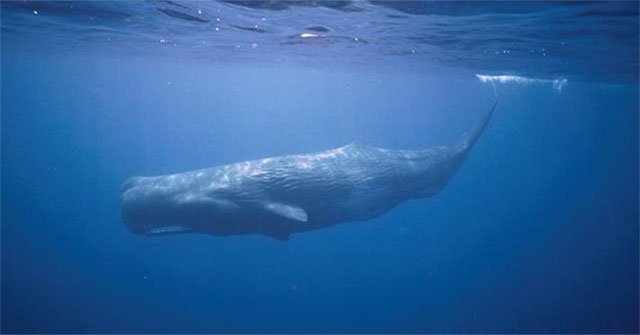
Sperm whales are considered an animal around the world, meaning their range extends to all or most of the world in suitable habitats.

Scientists have found two rare sharks with a saw-blade in the Indian Ocean.
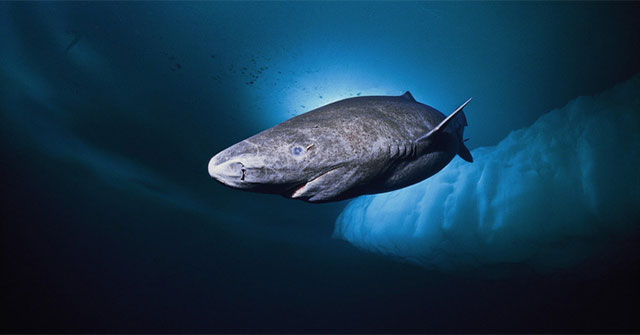
As the oldest living vertebrate on Earth, Greenland sharks can live up to more than 400 years.
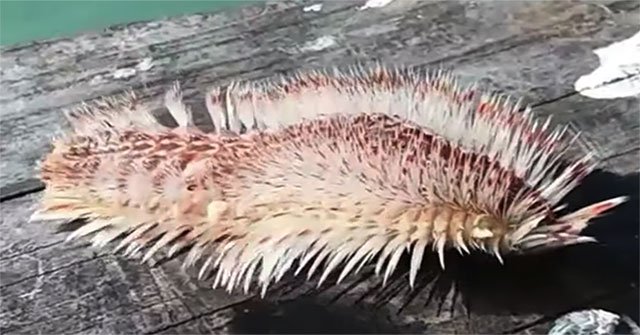
While fishing, a girl in the US caught a bizarre creature shaped like a giant worm.
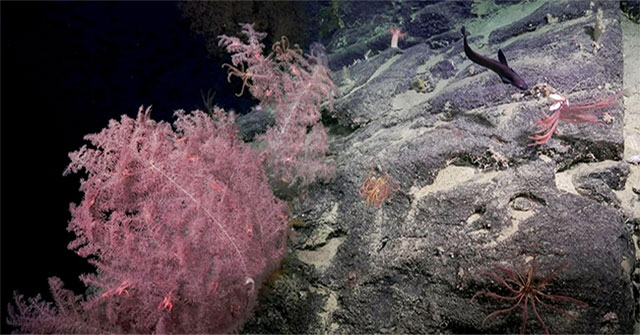
University of Western Australia explorers found an unprecedented coral ecosystem under the Bremer Gorge deeper than 4,000 meters.
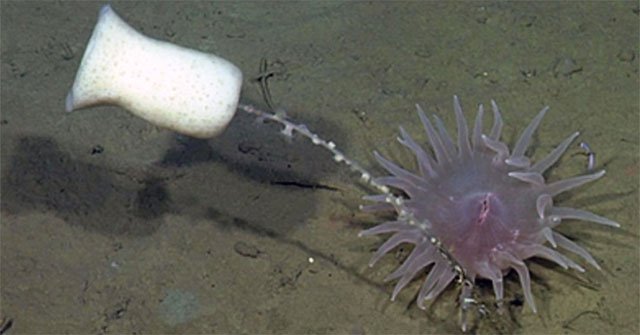
US scientists recorded sponges sneezing, rare behavior of animals living in the deep sea.
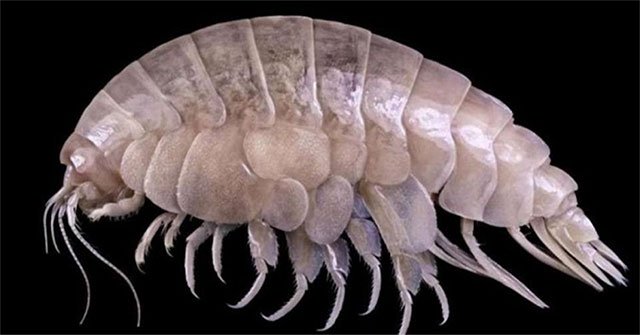
Scientists have discovered a new species of marine animal in the Mariana Trench in the Pacific Ocean that contains plastic waste in the body.
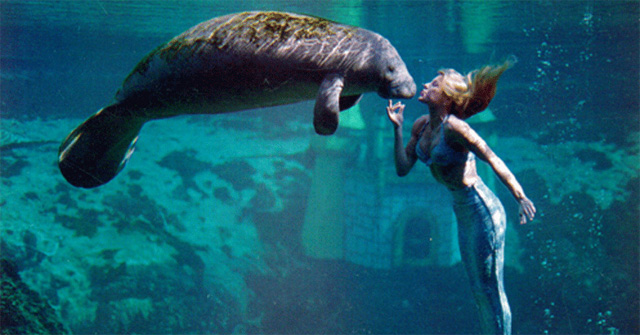
There is an animal named after the mermaid, who is also considered a real-life mermaid.
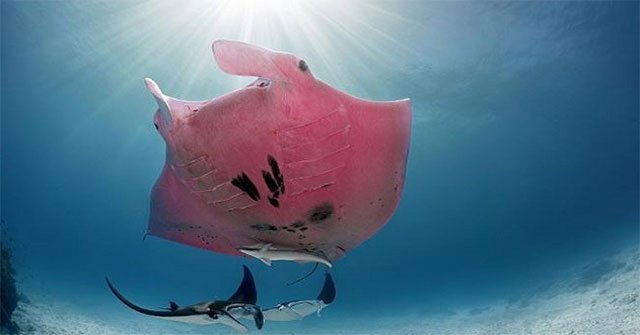
Experts speculate that the 3,4-meter-long cranberry fish may have a rare genetic mutation that causes its whole body to be brilliantly pink.
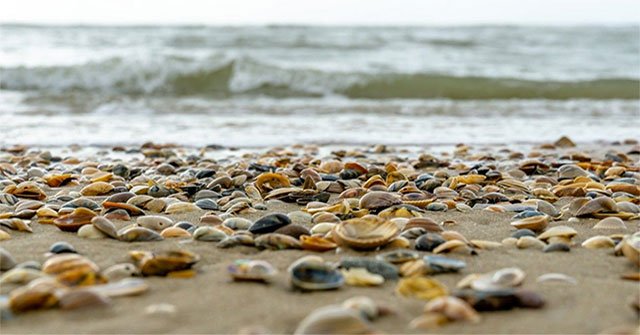
The intense heat left hundreds of thousands of mussels and mussels on a beach on New Zealand's North Island