The photos below show how dramatically the commercial aviation industry has changed over the past century.
From the first flights in the 20th century, to the 'golden age' of aviation in the 1950s and modern times today, air travel has seen many dramatic changes in the passenger experience.
1920
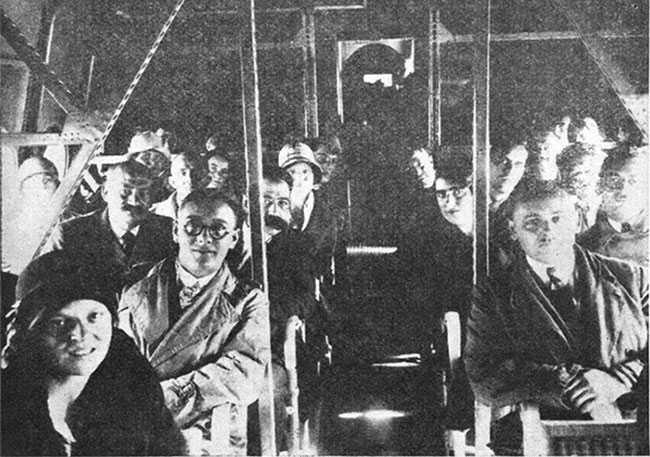
The 1920s were the first time in history that airplanes were designed specifically for passenger use. Airplanes of this time typically carried fewer than 20 passengers, reached cruising altitudes of 1,000 metres or less, and were slower than trains because they flew at around 100 miles per hour, had to stop frequently to refuel, and could only travel by day.
Flying in the 1920s was also an unpleasant experience for passengers, being extremely noisy and cold, as planes were made of uninsulated metal plates and vibrated violently in the wind. Cabins were also completely unpressurized. Nevertheless, air travel continued to grow in popularity and took its first steps during this period.
1930
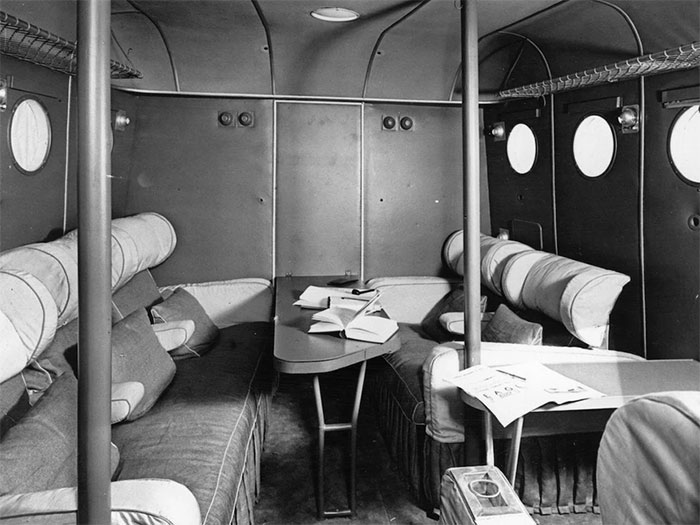
In the 1930s, female flight attendants first appeared to make flying more comfortable.
Not only did the service get better, but the planes themselves became more comfortable. They were soundproofed, heated, and had padded, fabric-covered seats. They could also fly much higher, reaching altitudes of around 20,000 feet, which reduced turbulence and made air travel much faster (around 200 mph). The first pressurized commercial airliner was introduced in 1938.
Cabins are also more spacious and seating is more innovative with lounge chairs, reclining seats and swivel seats.
1940
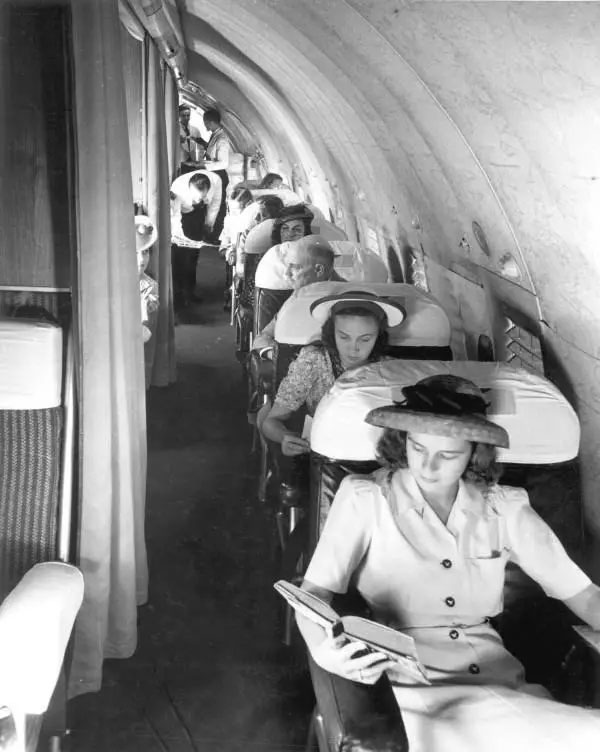
Air travel changed dramatically during World War II, as aircraft were developed primarily for military purposes rather than for commercial purposes.
However, after the war ended, the US and Europe were left with plenty of aircraft and large air bases with long runways that were repurposed for commercial flights. New airports were built near major European cities, such as London's Heathrow Airport, which was completed in 1946, and transatlantic flights, such as those between New York and London, became routine.
1950
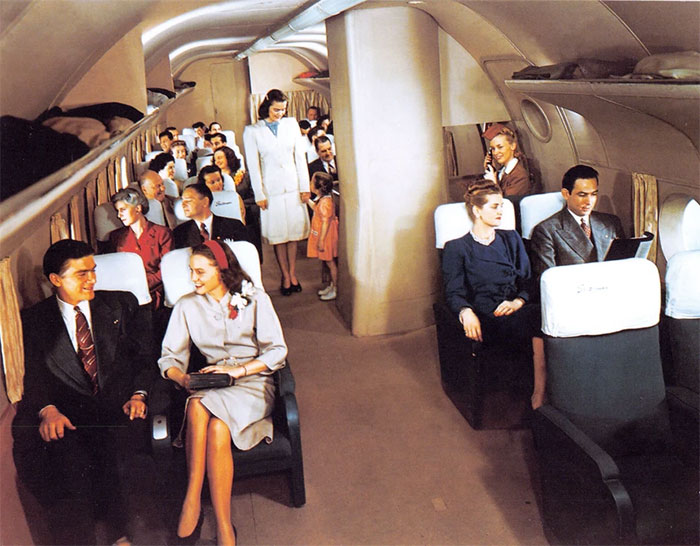
Despite being called the golden age of aviation, flying in the 1950s wasn't cheap. In fact, a round-trip flight from Chicago to Phoenix could cost the equivalent of $1,000 today, adjusted for inflation. A one-way flight to Europe could cost more than $3,000 in today's dollars.
Passengers, however, got their money's worth. The flight looked luxurious: everyone was dressed to the nines, wine was served in fancy glassware, and meals included dishes like roast beef, lobster, and prime rib.
1960
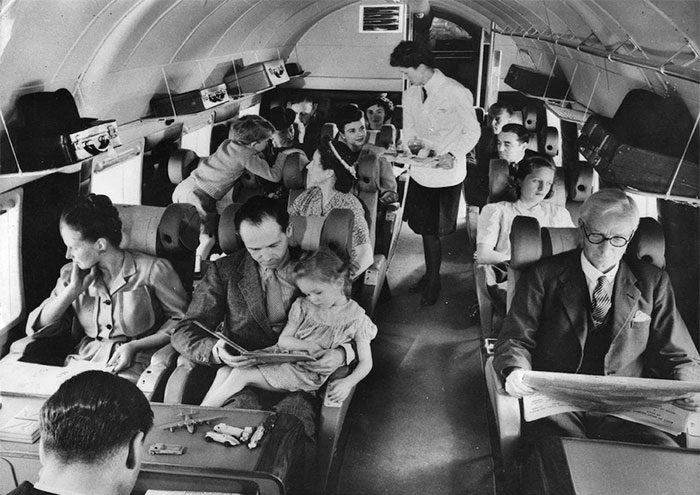
Air travel has become more comfortable. In the 1960s, passengers were not as well dressed as they used to be, but they generally looked better than they did then.
Passengers flying in the 1960s could also fly without any form of identification. This meant they could arrive at the airport half an hour before departure and walk straight to the gate. Even relatives could walk all the way to the gate without a ticket to see their loved ones off.
Security checks became mandatory in 1973, and even those were very lenient compared to the airport security we go through today.
1970

The 1970s saw the advent of the 'Jumbo Jet', opening up the skies to millions of previously unaffordable travellers, as airlines being able to carry large numbers of passengers meant tickets could be sold at more affordable prices. However, the space was still very spacious and the flight attendants catered to the passengers' every need.
From 1970 to about 1974, American Airlines even equipped piano rooms in the back of their 747s, while Pan Am's 707 Clippers were advertised as "silent".
1980
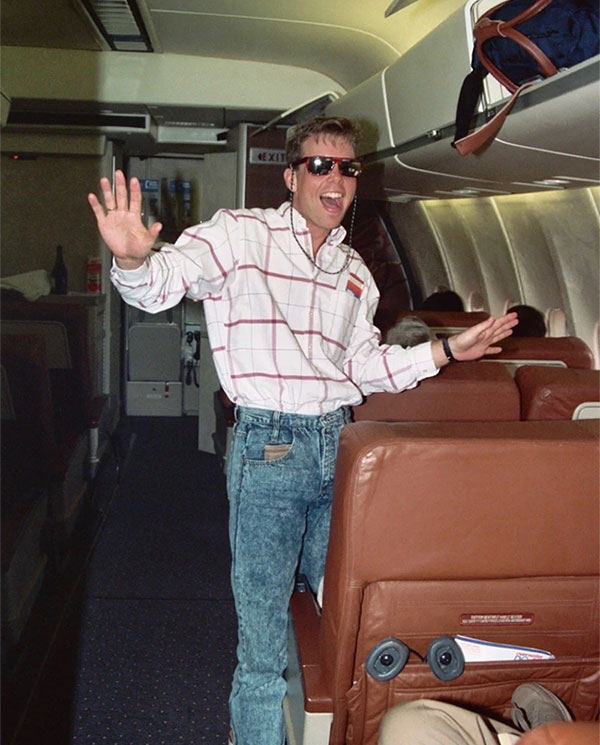
In the early 1980s, flying was fun. You could smoke, enjoy meals, and check in as much baggage as you wanted.
Continental Airlines (now United Airlines) even experimented with a "Pub" configuration complete with a fully stocked bar and round tables surrounded by swivel chairs.
Passengers can also visit the cockpit during the flight, where children are given a commemorative wing-shaped pin to remember the experience.
1990
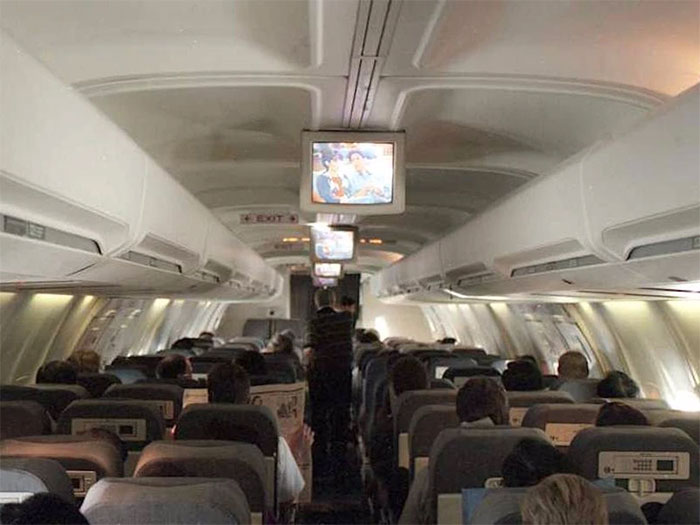
Air travel in the 1990s allowed all passengers of all ages, including those in economy class, to enjoy free alcohol on both international and domestic flights. Meals were included in the ticket, seats came with telephones (remember, this was before cell phones), and in-flight entertainment was in its infancy.
2000
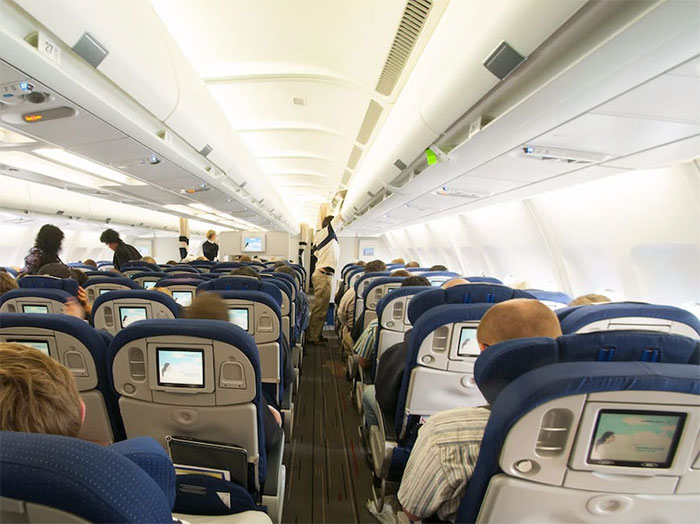
After September 11, 2001, air travel changed dramatically.
Before the attacks, travelers could pass through security with items including liquids, small pocket knives and large coats. Passengers could also carry shoes through security.
All that changed after the attacks and airport security took shape as it does today. Cockpit doors also began to be reinforced and locked, and only ticketed passengers were allowed into the gate area.
Nowadays
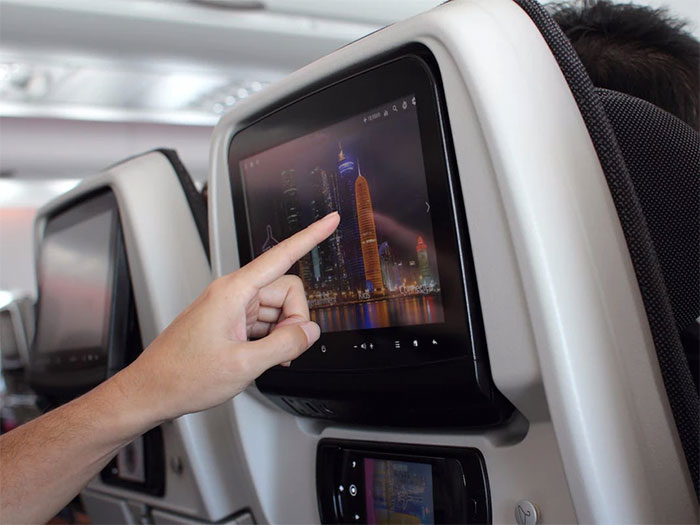
These days, flying comes with the same amenities we're used to on the ground — from touchscreen TVs to USB chargers at every seat.
While there may be no more free booze or even meals in economy class, if passengers are looking for the five-star treatment of yore, a first-class ticket today may be more appealing than ever.