Science story
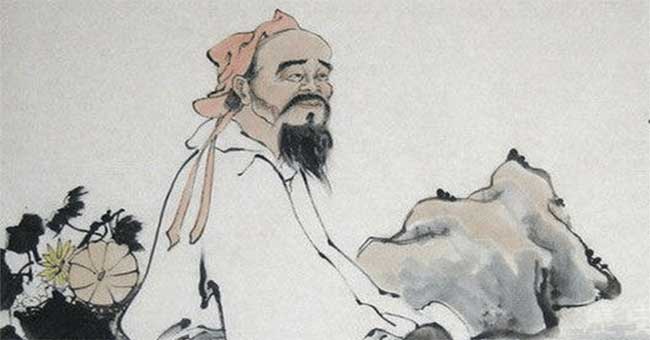
'Medicine' Hua Tuo - the first physician to practice anesthesia
Dubbed as one of the four great Chinese celebrities, Hua Tuo is
Read engaging stories about scientists, discoveries, mathematics, inventions and remarkable ideas that changed how people understand the world.
1,294 published items in this category and its subcategories.
Dubbed as one of the four great Chinese celebrities, Hua Tuo is
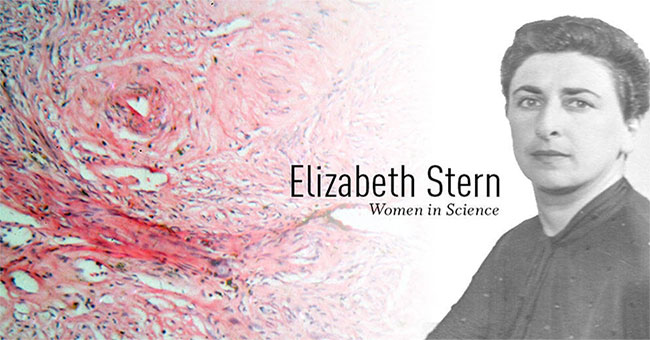
There is a pity that history has underestimated the contribution of women.

Bien Que's method of pulse capture is considered to have laid an important foundation for the Oriental medicine industry.
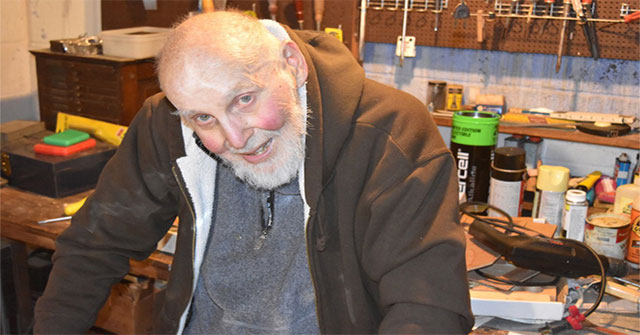
This year, he is 96 years old, but his scientific journey has not reached its destination: he has spent most of his time in the basement, experimenting with new inventio…
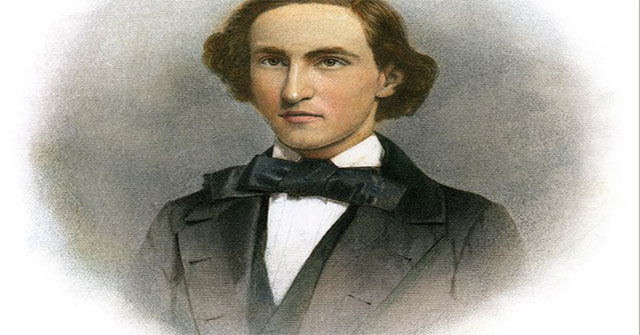
In the history of the world, many talented students in the Year of the Pig (1839, 1959) left many legacies for humanity.
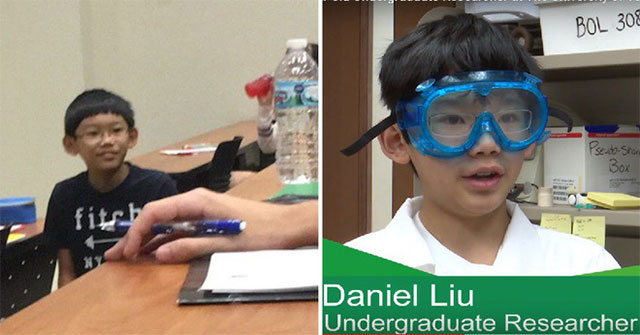
One of the prodigies has
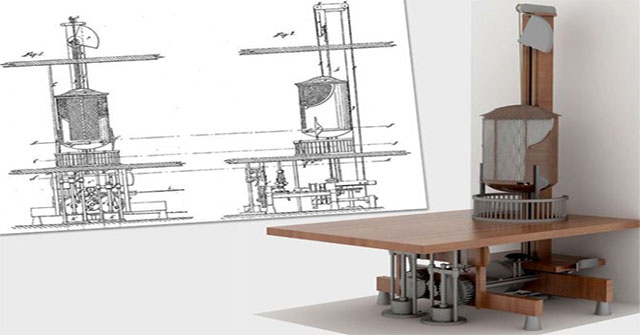
Otis Tufts was the first American engineer to receive a patent on vertical elevators, but he was better known as a steam-powered printer inventor.
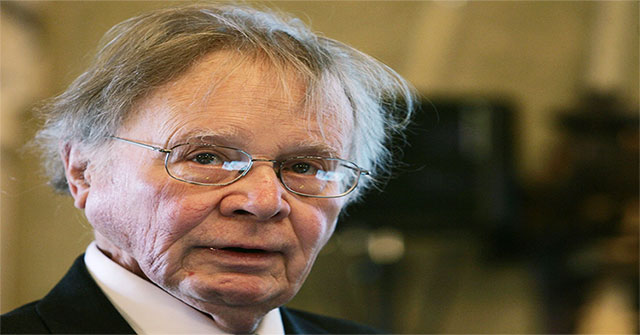
Professor Wallace Smith Broecker, Columbia University had correctly predicted the increase in carbon dioxide levels in the air, causing the Earth to warm up.
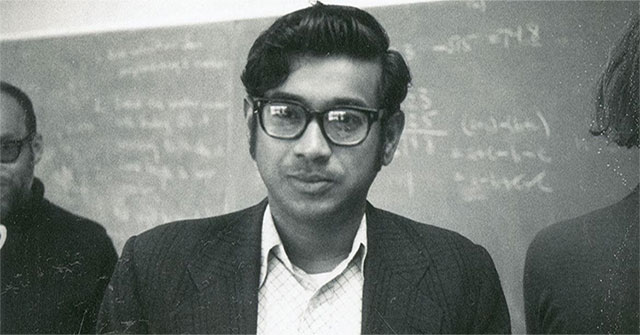
They are famous geniuses from a very young age and from childhood they have done things that not many adults can succeed like them.
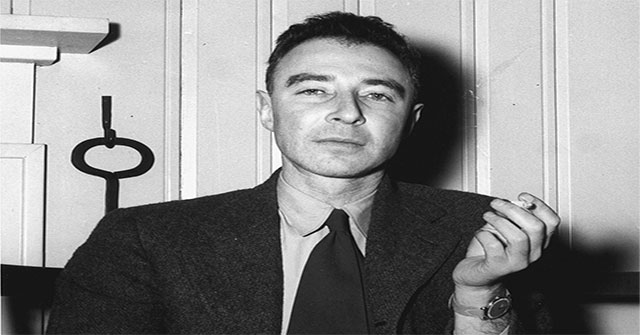
The creator of the atomic bomb was scientist Julius Robert Oppenheimer. He was the head of the Manhattan Project - the US project to research and manufacture atomic bomb…
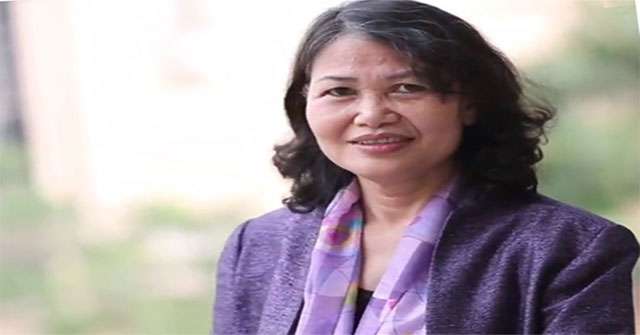
Making benign raw waste harmful to the environment has long been a familiar work of Associate Professor Dong Kim Loan.
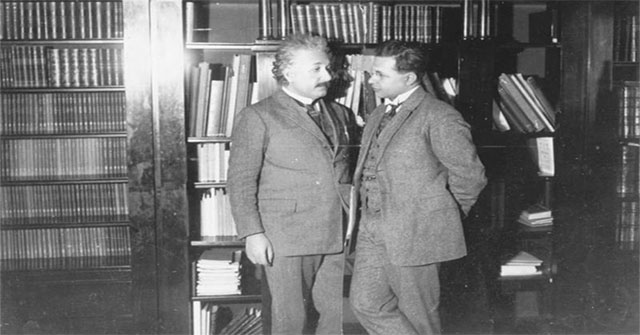
The scientist Albert Einstein had a strained relationship with his eldest son, which he considered not inheriting the wisdom and path he had taken.
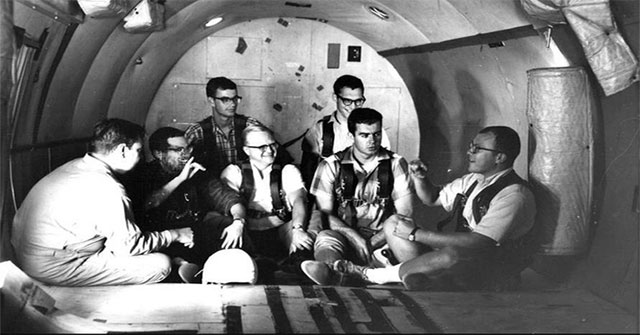
Before bringing people into space, NASA had to conduct a thorough research on the effects of zero gravity on the human body over a long period of time.

Katie Bouman participated in developing the algorithm used for Event Horizon Telescope, which captured the first image of the cosmic black hole.
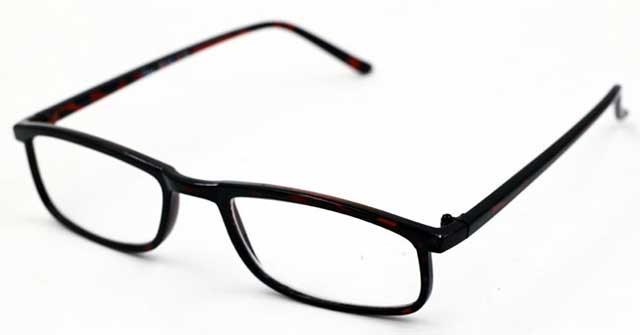
In the 13th century, Europe had hand-held convex lenses to overcome farsightedness but it was not until 200 years later that glasses for nearsighted people appeared.