Space science
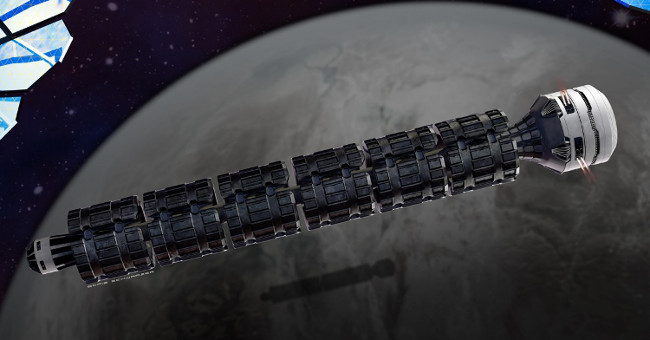
The space train travels from Earth to the Moon in two minutes
A Canadian engineer proposed the idea of building a space-traveling train that could take people to the Moon for more than two minutes at a speed of 3,000km / s.
Explore astronomy, NASA missions, planets, galaxies, the Moon, the Solar System and discoveries that expand our understanding of the universe.
8,681 published items in this category and its subcategories.
A Canadian engineer proposed the idea of building a space-traveling train that could take people to the Moon for more than two minutes at a speed of 3,000km / s.
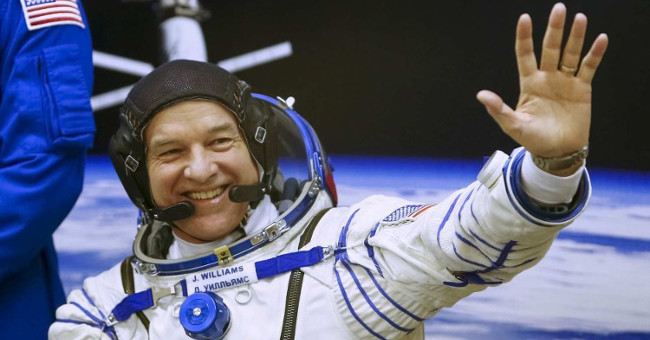
American astronaut Jeff Williams has set a new record for the most cumulative time in the universe for an American astronaut.
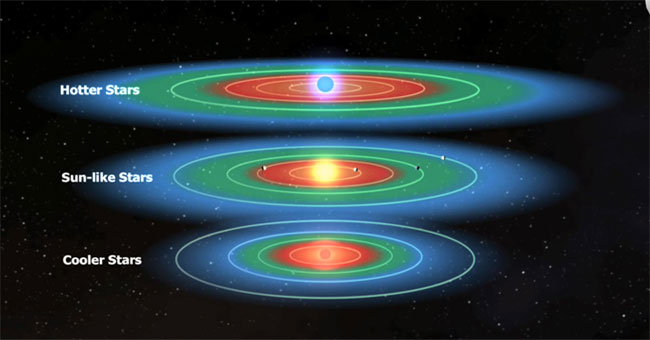
Scientists believe that only planets of the same size as the Earth, within the Goldilocks region and satisfying a host of other factors, meet the conditions for life dev…
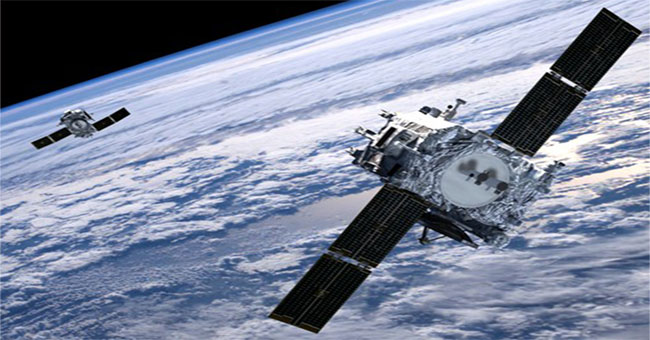
In 2014, NASA lost contact with a spacecraft. It seemed like it was forever gone, suddenly on Sunday night (August 21), NASA caught its signal.
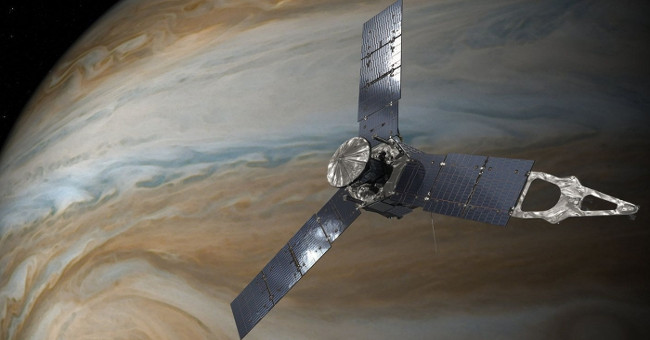
According to the announcement of the US Aeronautics and Space Agency (NASA), the Juno probe has for the first time approached Jupiter since its orbit into the planet in…
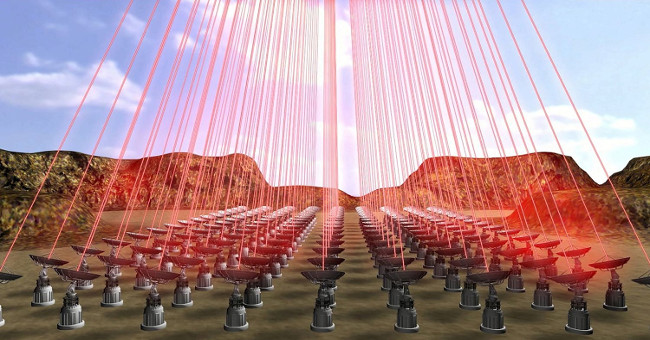
Famous astronomer Stephen Hawking and Russian billionaire Yuri Milner plan to bring the probe to the nearest star system in the near future.
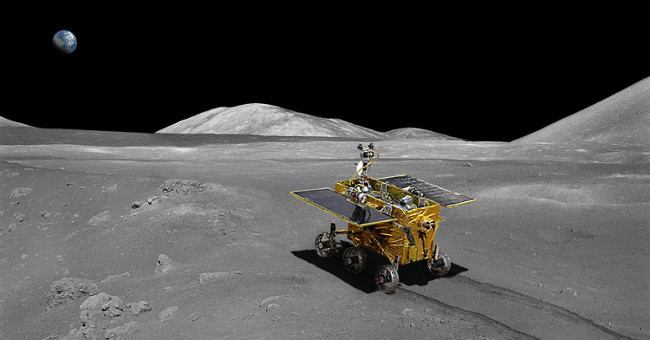
Ngoc Rabbit, China's self-propelled robot, stopped working after 31 months of collecting data on the surface of the Moon.
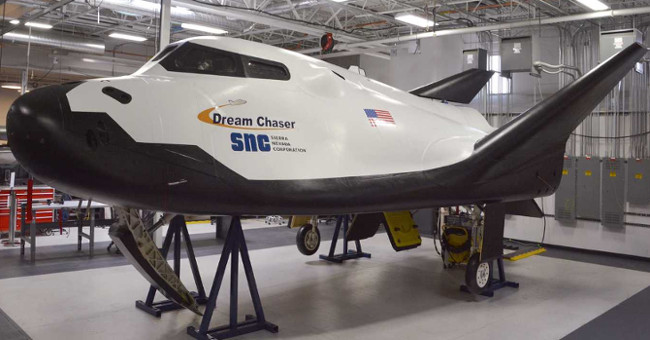
With the shuttle Dream Chaser preparing for the final tests, NASA is gradually realizing seemingly impossible ideas.
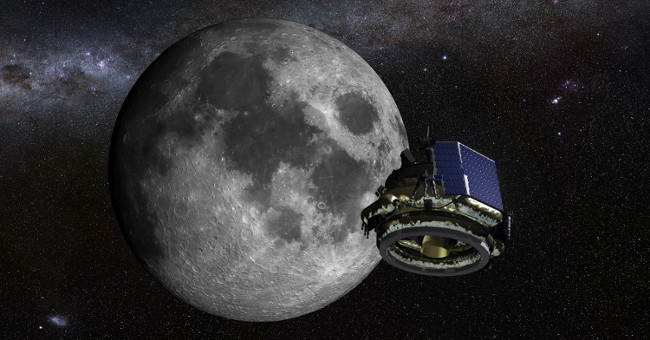
If they succeed, this will be the fourth group to put on the Moon since humans began exploring the universe.
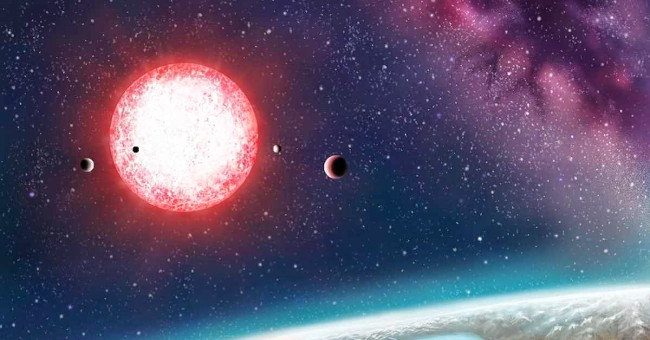
An international research group draws a list of the 20 most Earth-like planets from 4,000 extrasolar planets discovered by the Kepler telescope.
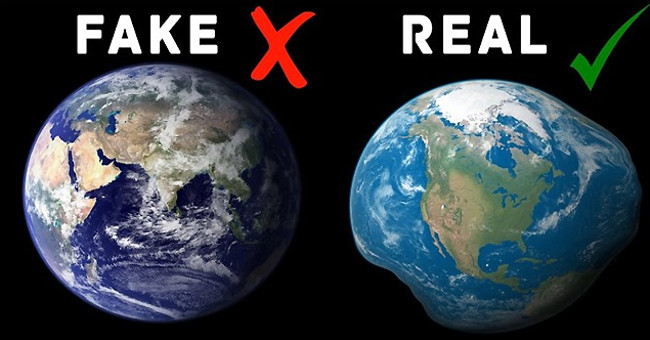
The fact has proved that there are many things that people are mistaken about the universe. Here are the 6 most popular anecdotes about the universe far from reality tha…

Russia has recently successfully tested the solar satellite using solar energy.
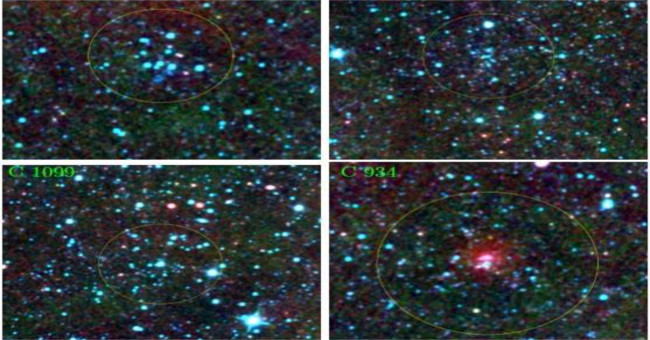
The galaxy's ring disc suddenly appeared 7 curious curiosities of attention.
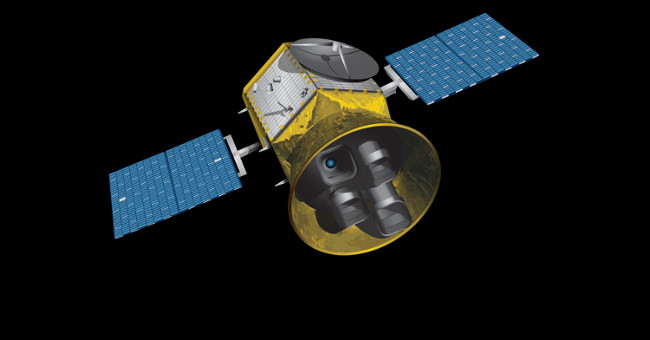
While the search for distant exoplanets is heating up every day, NASA's new satellite will choose its own path: finding extrasolar planets near us.
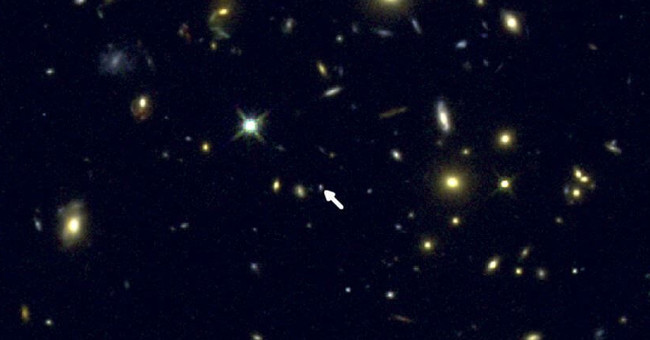
The amount of oxygen in the galaxy is the key to understanding problems since the galaxy was formed throughout its history.