Space science
Europe invited Russia to join the Mars project
Europe has officially invited Russia to join the mission of exploring Mars to be implemented in 2016 and 2018.
Explore astronomy, NASA missions, planets, galaxies, the Moon, the Solar System and discoveries that expand our understanding of the universe.
8,681 published items in this category and its subcategories.
Europe has officially invited Russia to join the mission of exploring Mars to be implemented in 2016 and 2018.
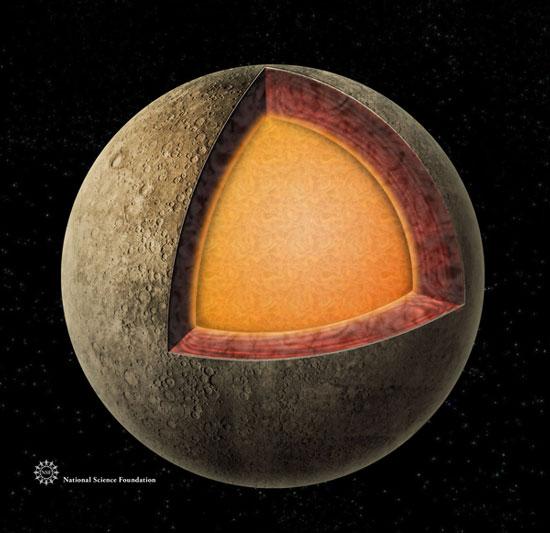
Among the planets in the solar system, Mercury suffers the most miserable fate. Only about 4,880km in diameter and in 4.5 billion years of existence, it constantly burne…
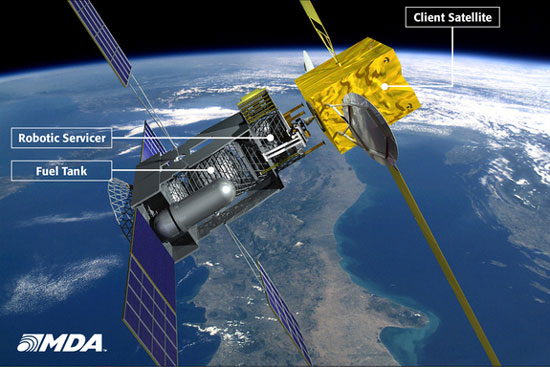
Two Canadian and US companies are building a new spacecraft, operating as robots or machines in space, that can extend the life of satellites orbiting the Earth.
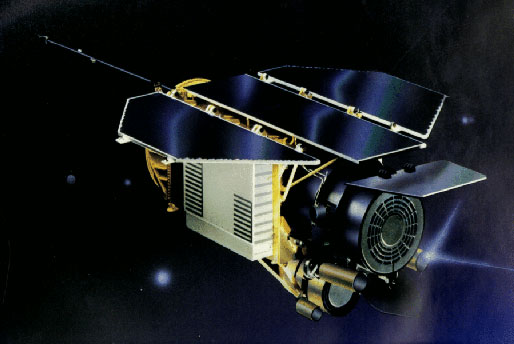
Germany's ROSAT satellite is expected to plunge to Earth this weekend (October 22-23, 2011). However, the exact location and exact time cannot be determined. Besides,

The US Aeronautics and Space Agency (NASA) said on October 17 that it has published the most complete digital Earth topographic map, created in collaboration with Japane…
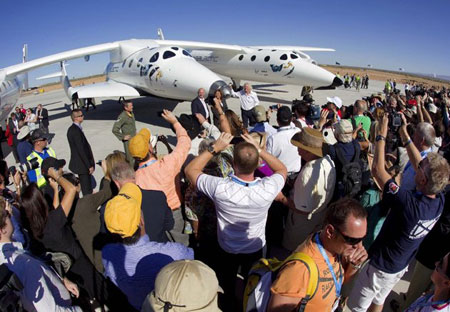
The world's first commercial space airport has just been opened in New Mexico, USA, yesterday.

NASA has just officially announced Space Launch System (SLS) latest missile development project, information from the media on October 18.
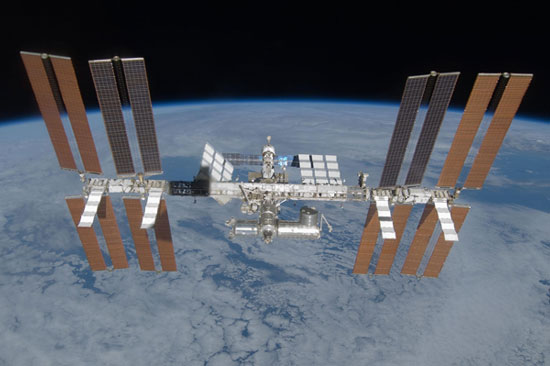
The Russian Federal Space Agency (Roskomos) announced yesterday that the operation time of the International Space Station (ISS) could be extended for many years.

We can all breathe a sigh of relief: comet killer Elenin has swept close to the Earth but does not cause earthquakes or tsunamis as some predictions.
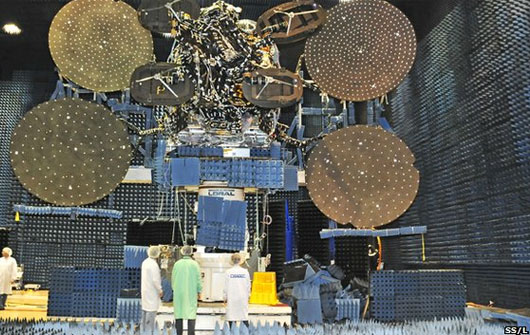
Viasat-1 broadband satellite, one of the most powerful satellites ever developed, has joined the trajectory on Russian proton boosters.
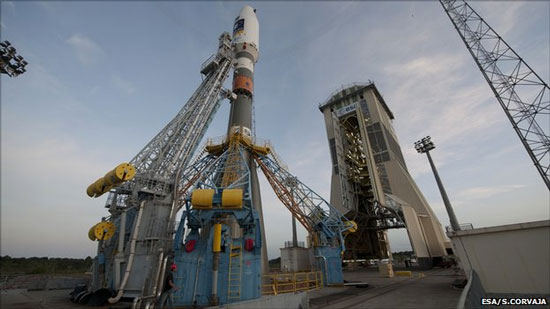
The orbital flight of two European-built satellite satellites could not take place today due to a technical problem.
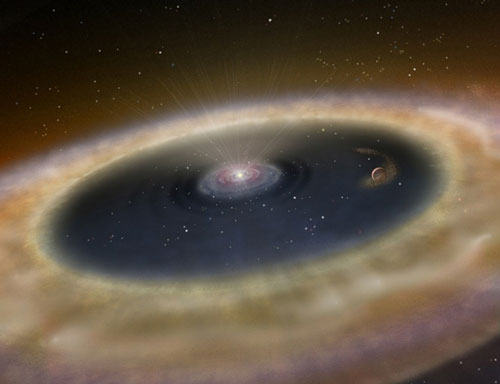
An astronomer at the University of Hawaii has just captured the first direct image of a planet being born.
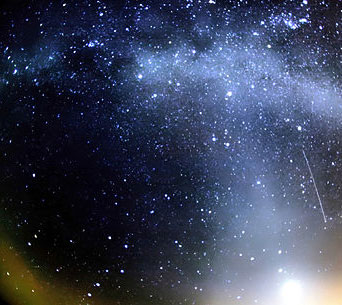
Astronomers will have the opportunity to see streaks of magic light when Orionid meteor shower peaks in the next two days.
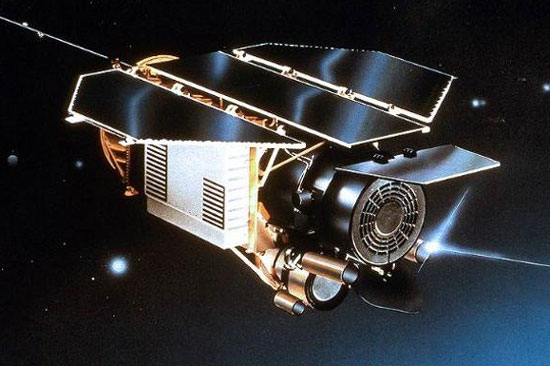
Germany's vacant ROSAT satellite will fall to Earth from October 21-24. A very large area on Earth, not excluding Vietnam, may have to catch a fragment of this satellite.
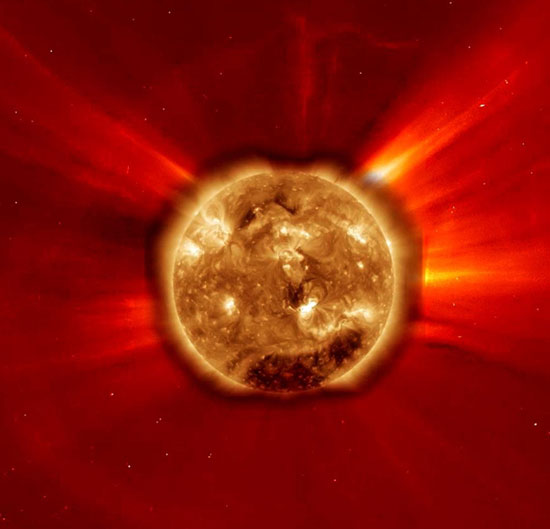
Sunspots on the Sun are the source of flashes, which have a great effect on processes under Earth. But unfortunately, these observations only allow people to predict the…