Space science
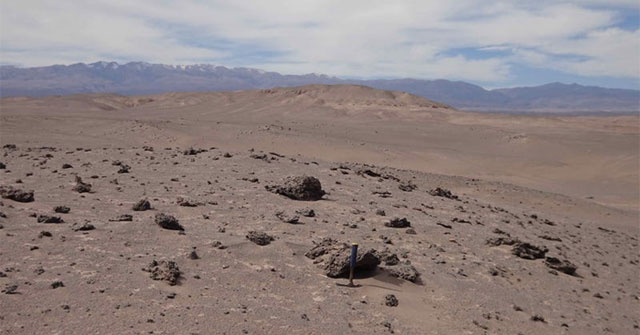
Ancient comet explosion turned the world's driest desert into glass
The dark glass fields that dot the world's driest Atacama Desert were created by a comet that exploded about 12,000 years ago.
Explore astronomy, NASA missions, planets, galaxies, the Moon, the Solar System and discoveries that expand our understanding of the universe.
8,698 published items in this category and its subcategories.
The dark glass fields that dot the world's driest Atacama Desert were created by a comet that exploded about 12,000 years ago.
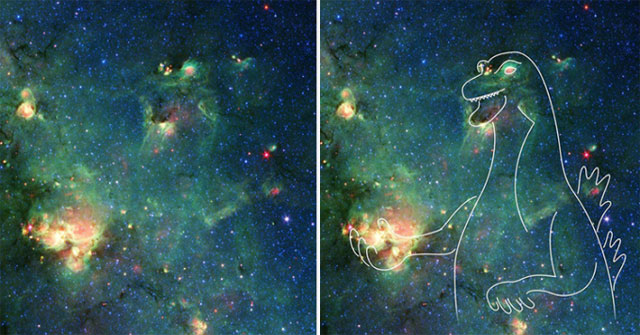
NASA's Spitzer Space Telescope sent back to Earth a stunning image of a dust cloud thousands of light-years away.
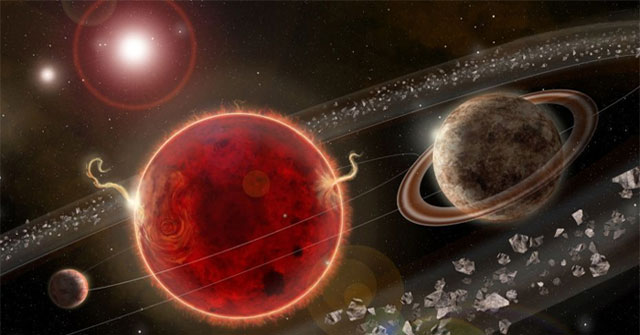
Scientists have just given the final answer to the signal that stirred astronomers in 2019 from the Proxima Centauri star system, which has a planet thought to be habita…
NASA said it has completed the process of putting Orion on the SLS space launch system and is expected to have the first unmanned flight to the moon in 2022.
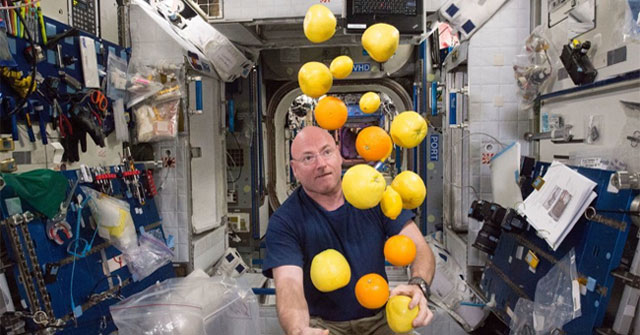
3D printed steaks, insect proteins, mushrooms are some of the unique ideas among the winners of NASA's space food competition.
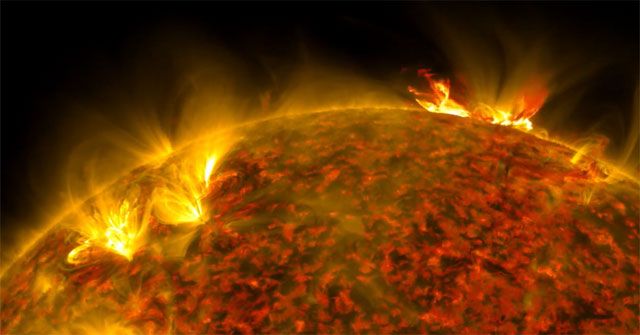
NASA satellite captures the moment when a solar storm erupts violently, making the aurora on Earth more brilliant in time for Halloween.
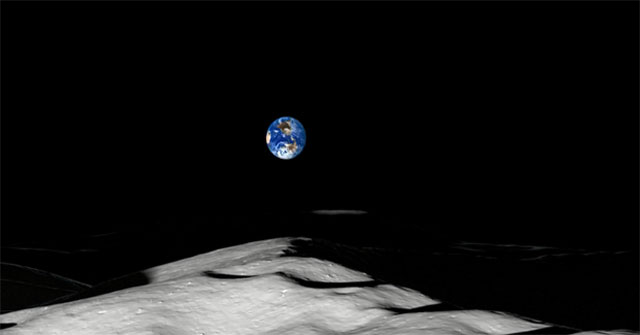
NASA hopes astronauts will be able to see Earth first-hand from the Moon's poles by the end of the 2020s.
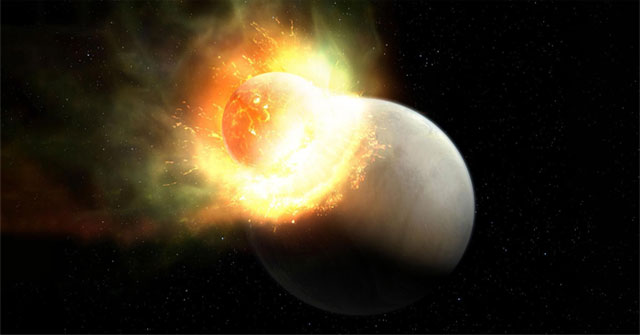
Astronomers have discovered for the first time a planet that lost its entire atmosphere after an extremely large meteorite impact.
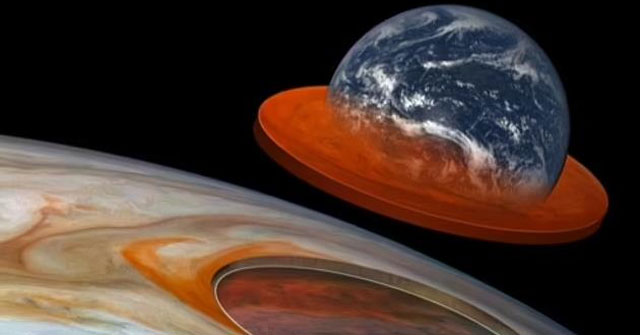
Jupiter's red monster can be more than 480 km deep and more than enough to swallow the Earth.
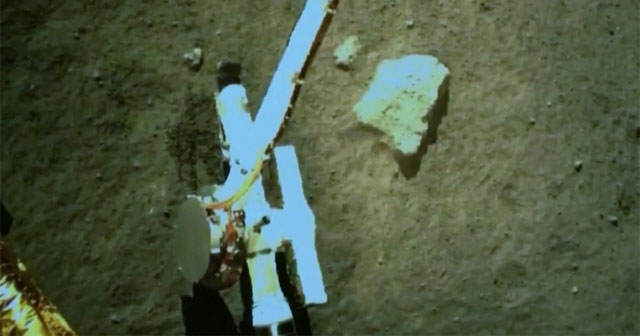
Rock samples collected by the Chang'e 5 spacecraft reveal volcanic activity on the Moon lasting nearly a billion years longer than previously thought.
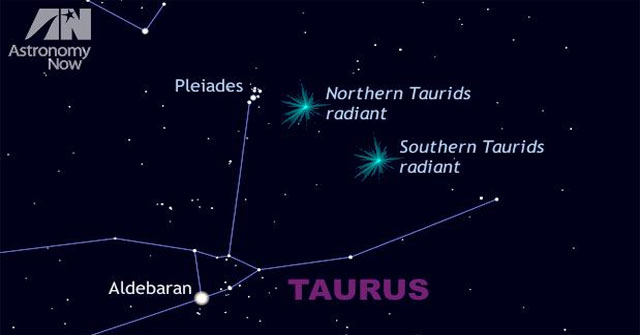
Last Halloween night, because there was no moon, many people were able to admire the performance of Venus, Jupiter, Saturn and sometimes a Halloween fireball.
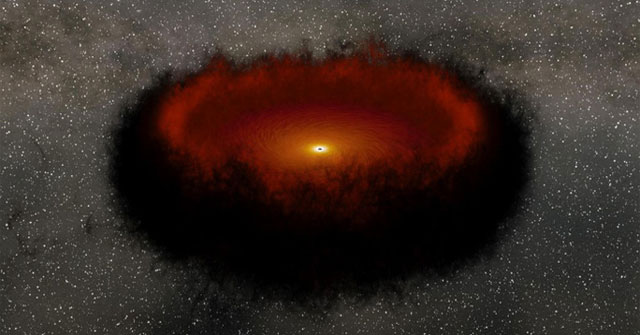
Rising from the past several billion years ago and entering the telescope, the Camel shows its formidable power when it explodes and tore apart an entire galaxy.
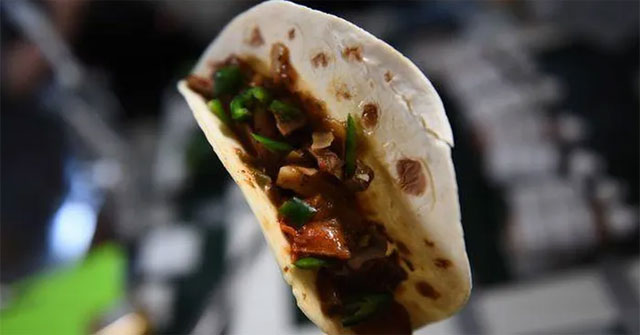
The US space agency announced that they have successfully grown plants in space and astronauts have used the first chili peppers as a filling.
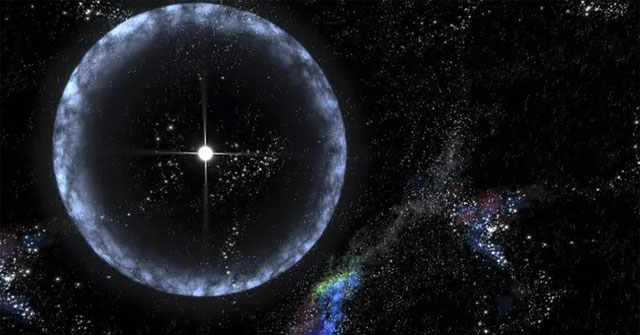
Astronomers have tracked a mysterious cosmic object that performed 1,652 bursts of energy in a short period of time.
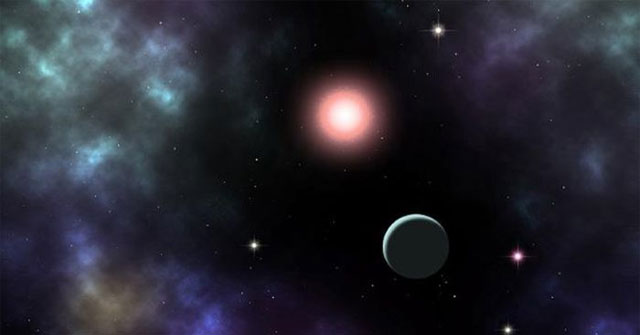
A new planet in the form of Little Neptune could have a cool temperate climate and liquid water - the potential for life.