Space science
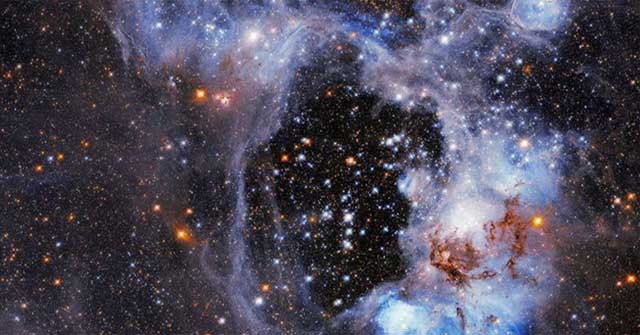
Impressive image of the mysterious 'super bubble' nebula from the Hubble space telescope
N44 is a very special nebula when it comes to the appearance of a 'super bubble' - a dark and mysterious void in the middle.
Explore astronomy, NASA missions, planets, galaxies, the Moon, the Solar System and discoveries that expand our understanding of the universe.
8,698 published items in this category and its subcategories.
N44 is a very special nebula when it comes to the appearance of a 'super bubble' - a dark and mysterious void in the middle.
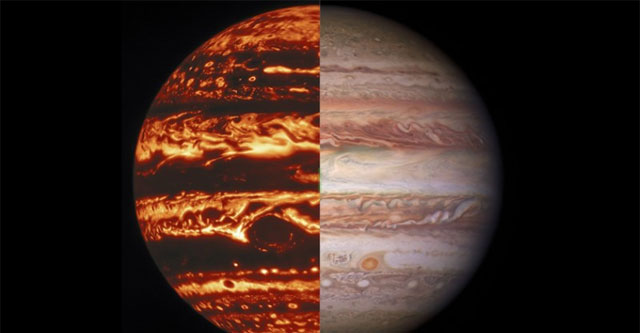
The Juno space probe is exploring deeper into Jupiter's clouds. So far, Juno has provided new information about how water behaves in the clouds at Jupiter.
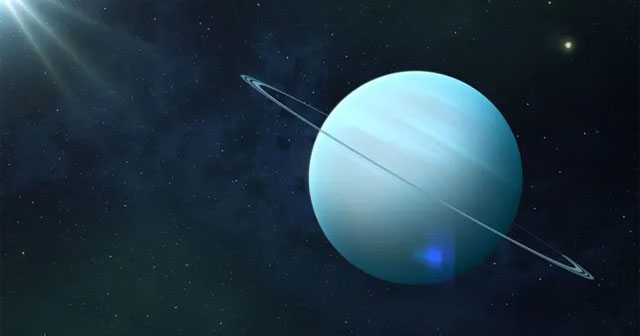
Entering November, people will have the opportunity to admire the beautiful scenes of the sky when 6 interesting astronomical phenomena occur.
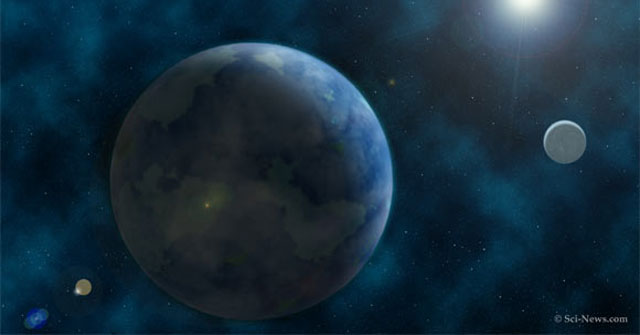
The orbital planes of the newly discovered planets are almost perpendicular to each other, because 2 out of 3 chose to travel from pole to pole of the parent star.
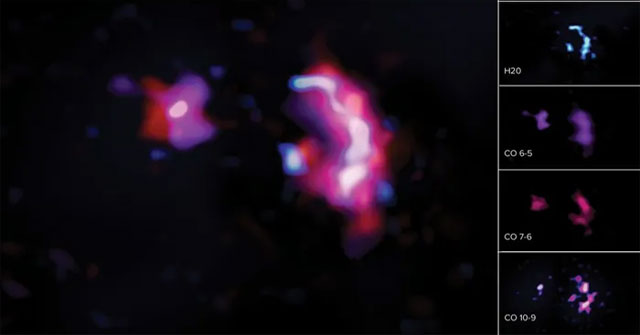
Scientists say they have discovered evidence of water in a galaxy about 12.8 billion light-years from Earth.
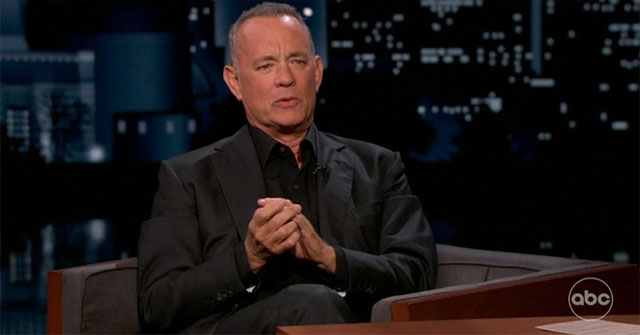
The actor thinks that spending $ 28 million to fly into space is not necessary.
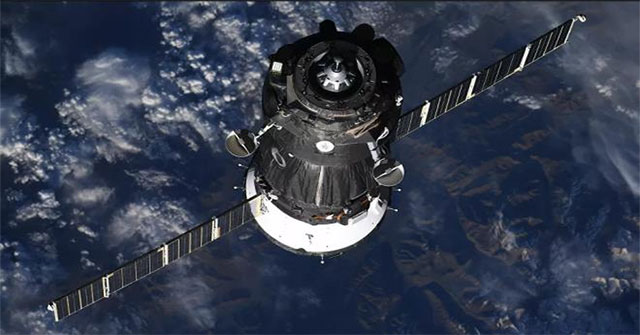
Not just sitting on a spaceship, 2023 will have the first tourists to step out into the space from the International Space Station.
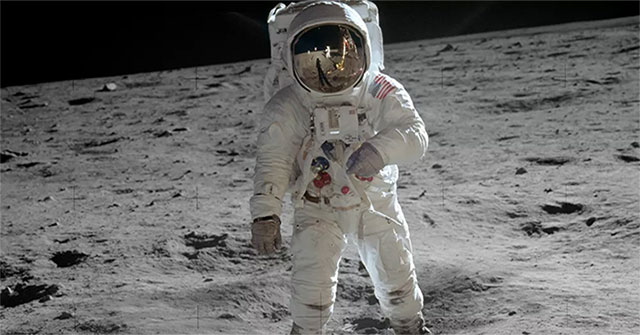
Humans could not live on the Moon and Mars due to the high radioactivity and cosmic radiation.
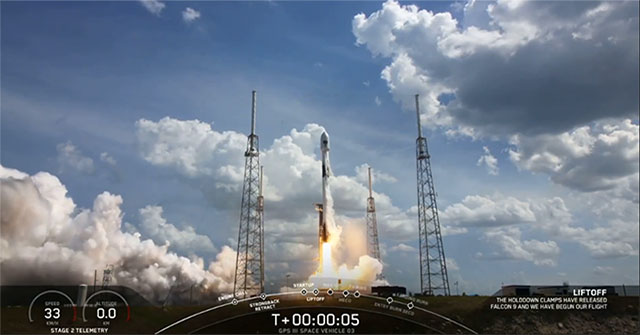
The latest satellite in the Third Generation Global Positioning System (GPS III) of the US Air Force has been put into orbit.
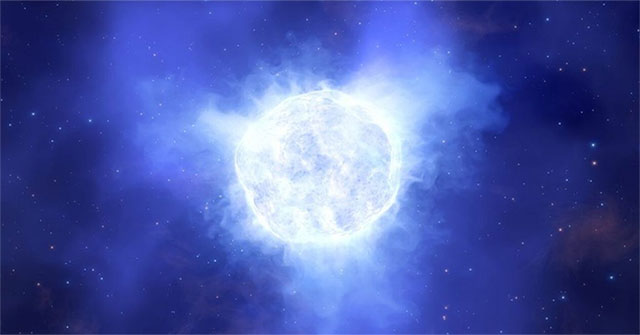
Scientists are amazed at why, how a star 2.5 million times brighter than the Sun suddenly mysteriously disappears.
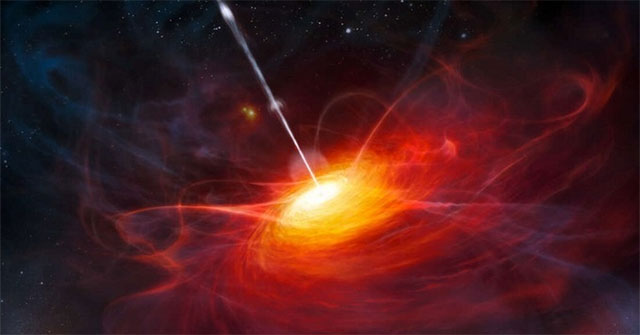
At present masses, fast-growing black holes can only detect a star the size of the Sun every day, according to researchers' calculations.
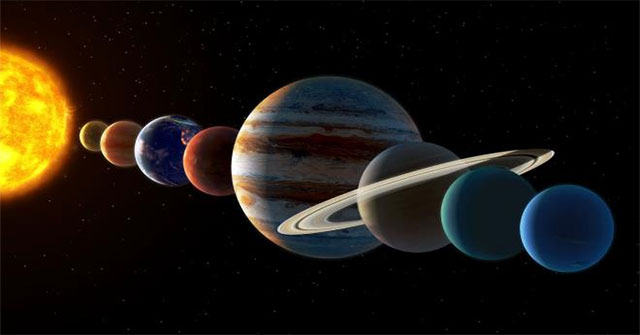
The parade of the planets will take place around 2 weeks of July but cannot be completely observed.
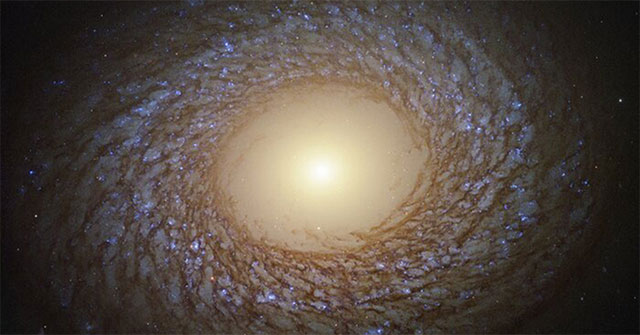
The high-resolution Hubble Space Telescope shows spiral arms that contain millions of stars from the galaxy NGC 2775.
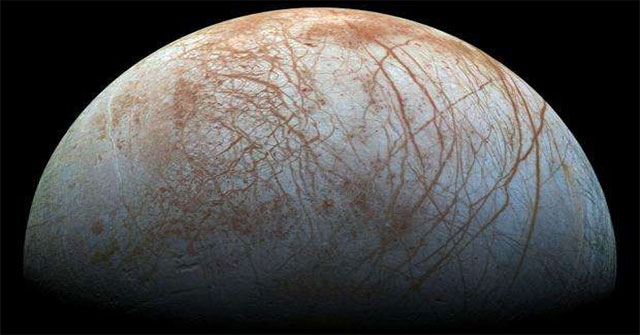
A new study by NASA scientists has found a place within the Solar System capable of supporting living things.
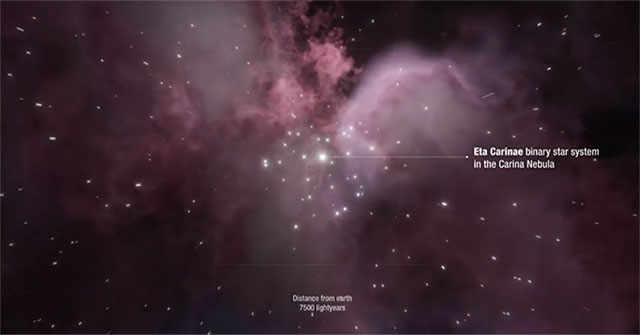
The researchers found that two blue giant stars emit a stellar wind that helps subatomic particles accelerate and generate intense gamma-ray radiation.