Space science
Humans may be able to activate 'hibernation' in the near future
Recently, scientists have found a way to activate hibernate-like states in mice that can drastically lower metabolism and body temperature.
Explore astronomy, NASA missions, planets, galaxies, the Moon, the Solar System and discoveries that expand our understanding of the universe.
8,698 published items in this category and its subcategories.
Recently, scientists have found a way to activate hibernate-like states in mice that can drastically lower metabolism and body temperature.
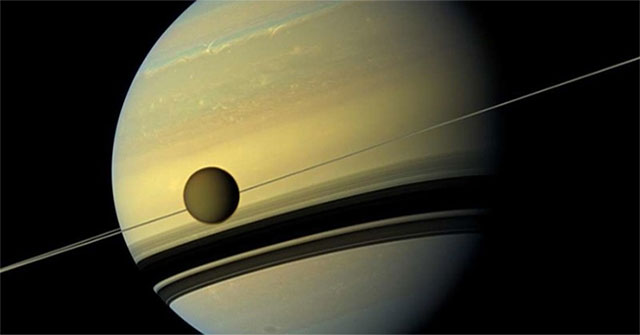
The satellites gradually leave the planet they orbit around.

NASA astronomers discovered a very young and powerful neutron star, about 16,000 light-years from Earth.
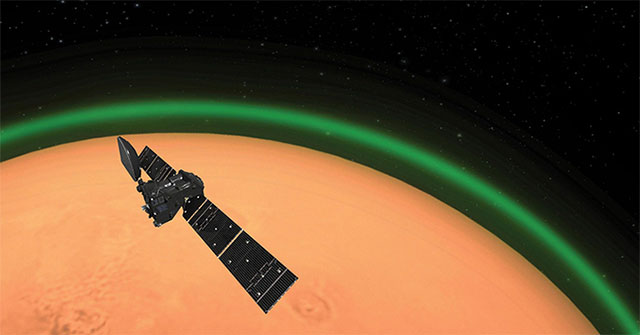
The European Space Agency (ESA) first observed the green band of light on Mars' atmosphere.

This photo appeared a few years ago, but has been widely shared recently.
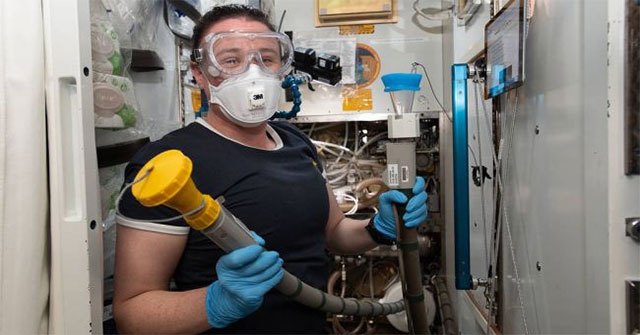
This is a new achievement for the space exploration industry when it is possible to reuse wastewater and prevent bacteria from spreading out in space.
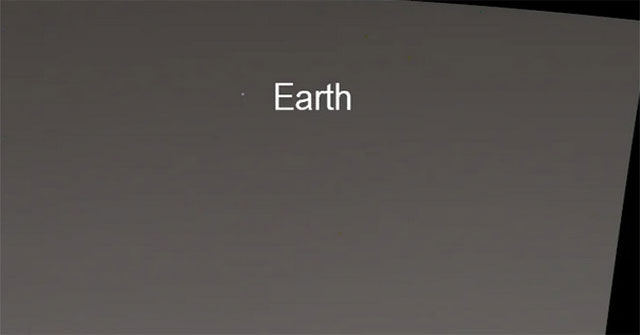
The dense dust in Mars' atmosphere makes the Earth and Venus look like tiny dots in a camera photo of the Curiosity robot.

Astronauts on the International Space Station (ISS) record a unique phenomenon when flying over the South Pacific.
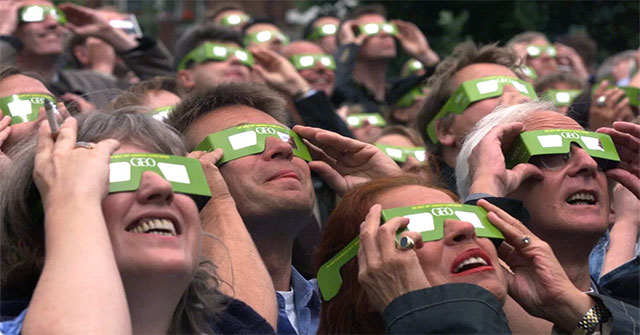
People in all three regions of the North, Central and South can directly observe the solar eclipse that takes place this weekend. This is the only eclipse observed in th…
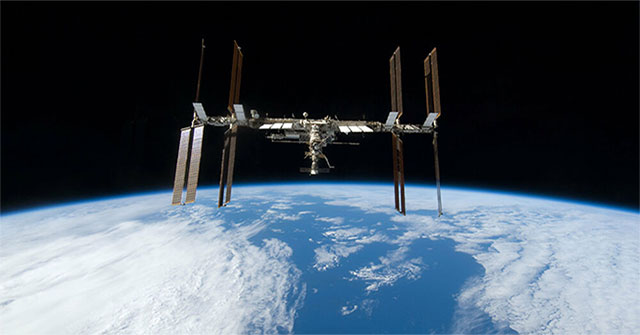
If you are wondering, it's true that we can bring the International Space Station (ISS) back to Earth, however, it will only be a mass of molten metal mixed alone!

Coming here, at 10:45 am on June 21, if you look out the window, you will see a ring of glowing fire appear in the middle of the sky. It is the annular eclipse - the fir…
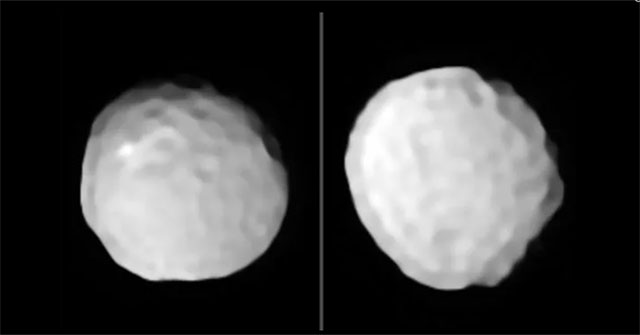
A giant asteroid about 1/7 the size of the Moon surprised astronomers with its special history.

Inside the neutron stars is the 'noodle nucleus' - an unusual state of matter, consisting of subatomic particles called quarks.
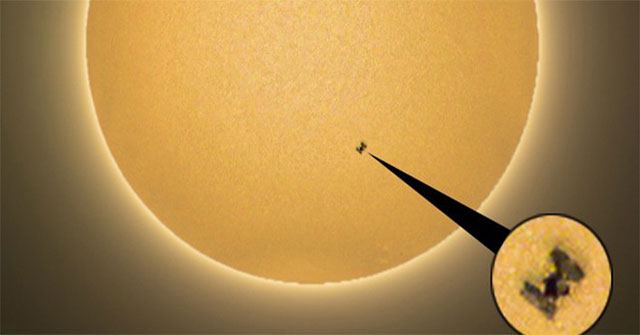
Amateur photographers find out the flight information of the International Space Station (ISS) and then use a regular camera to capture a unique moment.
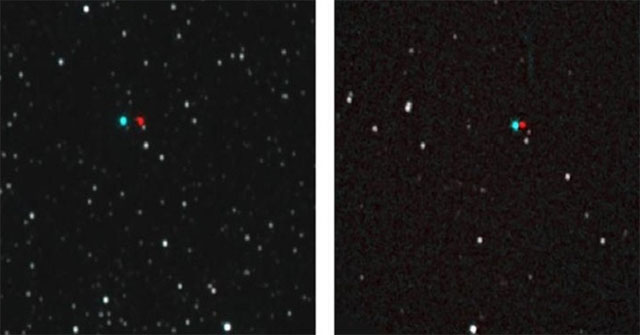
Photographs taken by the New Horizons spacecraft show stars seem to be in a different position than when viewed from Earth.