Space science
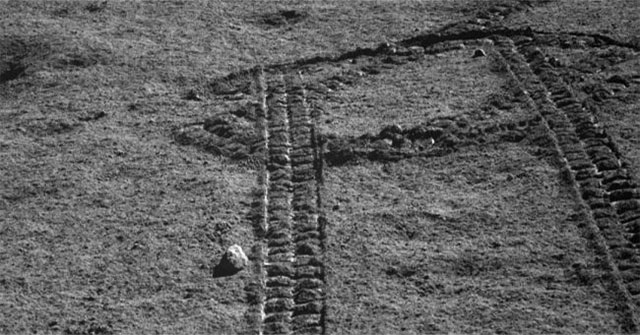
Detect strange stones in the dark side of the Moon
The rock samples seem to be coalesced from heterogeneous debris, likely formed from a meteorite impact or from the original Moon's crust.
Explore astronomy, NASA missions, planets, galaxies, the Moon, the Solar System and discoveries that expand our understanding of the universe.
8,698 published items in this category and its subcategories.
The rock samples seem to be coalesced from heterogeneous debris, likely formed from a meteorite impact or from the original Moon's crust.
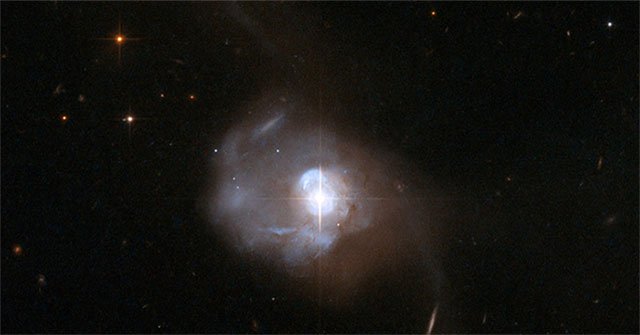
Astronomers detected a sign that a large number of oxygen molecules exist in the Markarian galaxy 231, 560 million light-years from Earth.

The small piece of meteorite left over after crossing Earth's atmosphere helped reveal information about the solar system 4.56 billion years ago.

Research on four NASA missions explores the mysteries of the solar system, launched in 2020 with a $ 3 million investment.
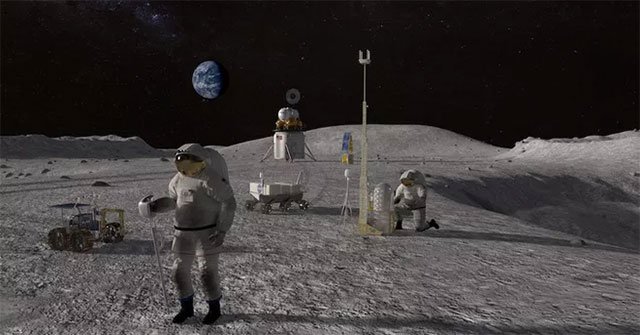
In the past, there were not many salty investors, but the seemingly unrealistic projects like flying into space or landing on the moon. But now it's different.
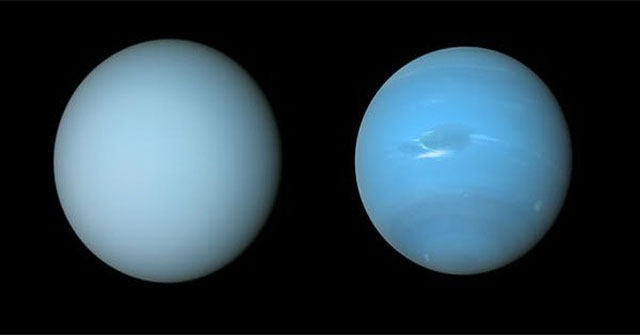
Before talking about the atmosphere of other planets, let's find out what the atmosphere is.
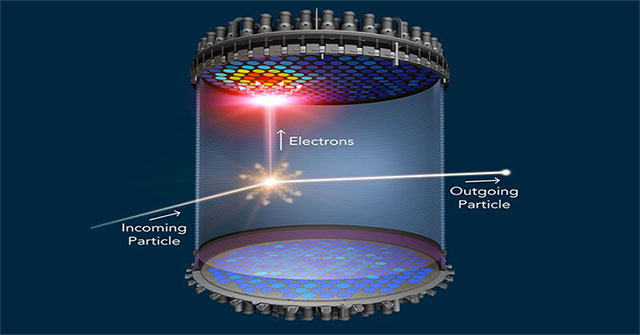
From deep underground, in abandoned gold and nickel mines, containers of liquid xenon and germanium crystals are used to detect dark matter particles.
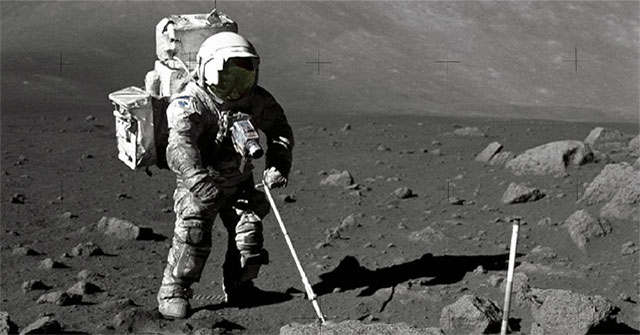
Analyzing dust sticking on astronauts' gloves, the researchers found iron, water and helium in moon dust.
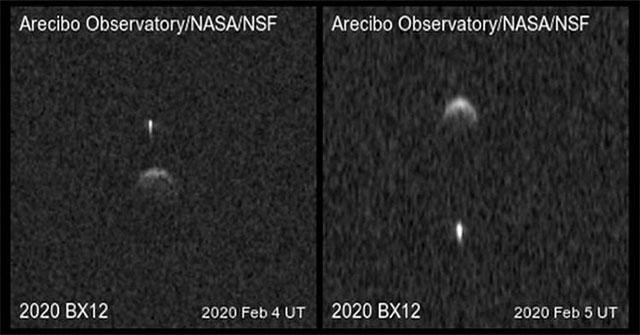
Scientists discovered that 2020 BX12 is a binary asteroid with a smaller rock orbiting a larger rock.
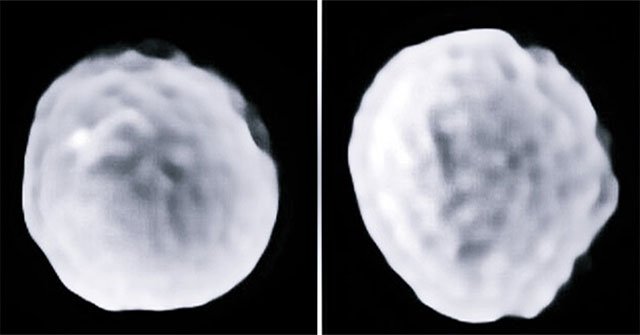
Pallas has countless giant craters on the surface due to collisions with other planets, causing it to warp like low-resolution golf balls.
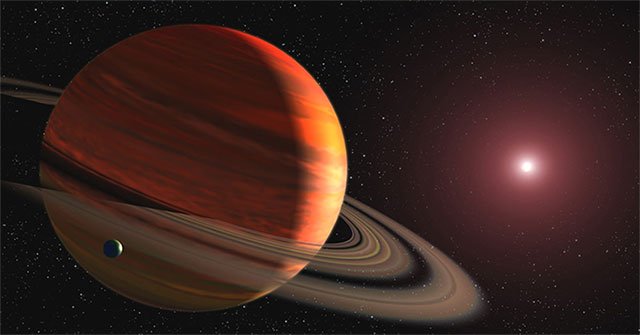
The European Space Agency's Gaia satellite (ESA) has captured the closest exoplanet ever formed.

To help the astronauts be safer when working in space, college girls have found a way to clean up the debris in Earth's orbit with artificial intelligence.
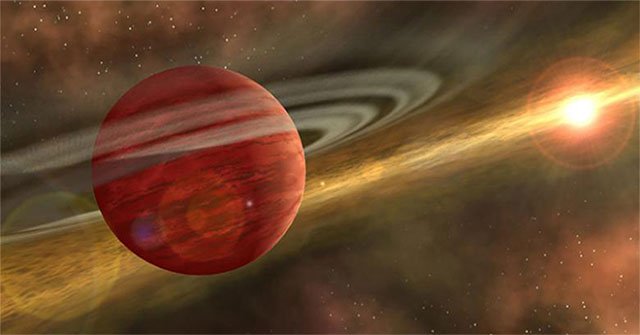
The Rochester Institute of Technology, USA, announced the discovery of a young planet 10 times heavier than Jupiter, only 330 light-years from Earth.
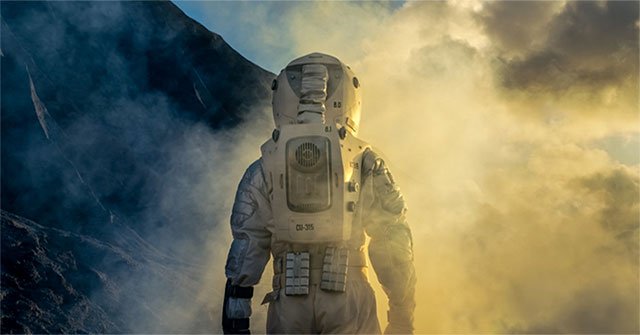
The mission of protecting the planet not only helps the Earth avoid extraterrestrial organisms such as bacteria, but also protects the life forms in space from us.
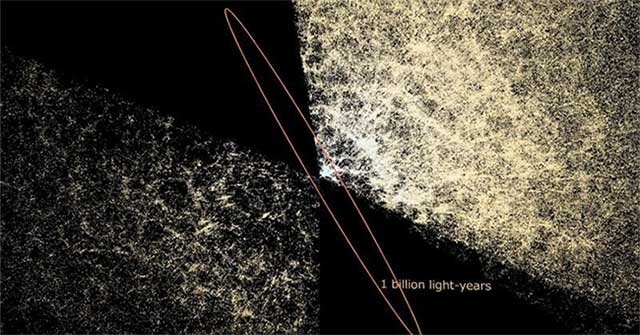
The Dark Emulator will analyze and decode a huge block of astrophysical data, using processed information to build simulations about the universe.