Space science
Another 139 small planets were discovered in the Solar System
139 small planets, also known as microwaves, have been revealed in the dark region behind Neptune, which could be a clue to the ninth planet.
Explore astronomy, NASA missions, planets, galaxies, the Moon, the Solar System and discoveries that expand our understanding of the universe.
8,698 published items in this category and its subcategories.
139 small planets, also known as microwaves, have been revealed in the dark region behind Neptune, which could be a clue to the ninth planet.
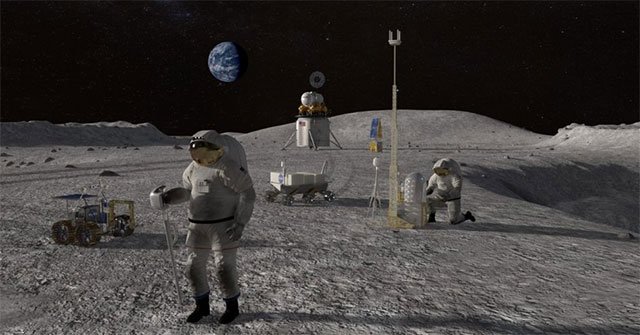
For the first time in four years, NASA organized a new round of astronauts missions, aimed at bringing Americans back to the Moon by 2024.
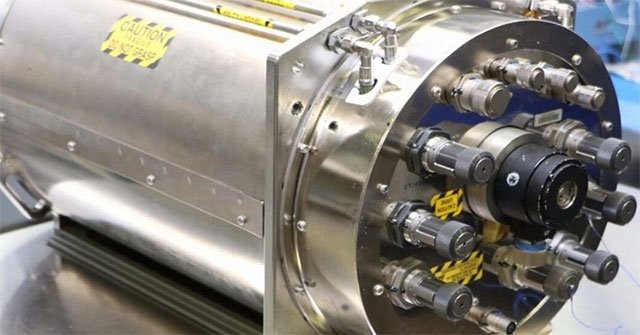
In outer space, creating water is a huge technical challenge.
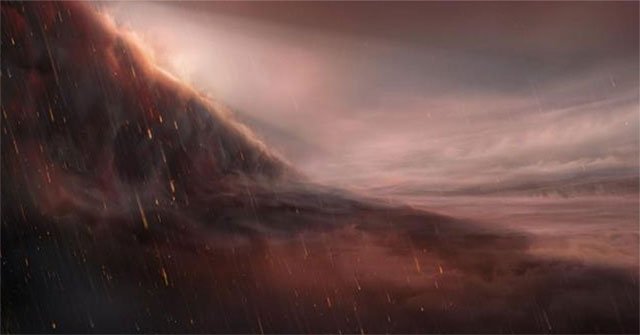
An international team of astronomers has discovered an exoplanet far away from the Earth where strange 'iron rain' often takes place.
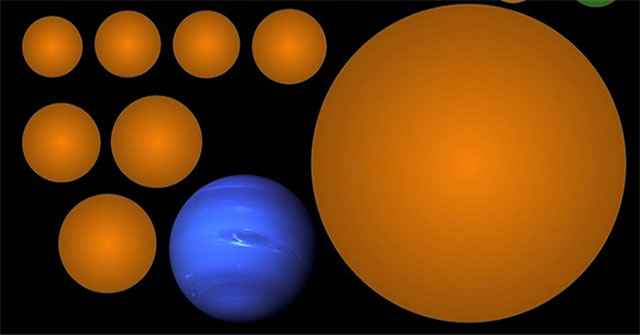
Planet KIC-7340288 b has the right conditions for life to exist, among the 17 newly discovered exoplanets.
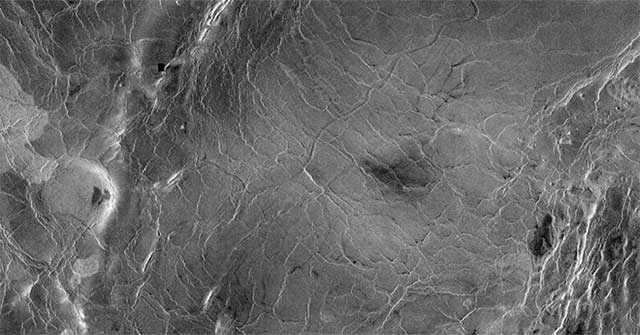
One of NASA's upcoming two harsh NASA explorations will be a suicide mission.
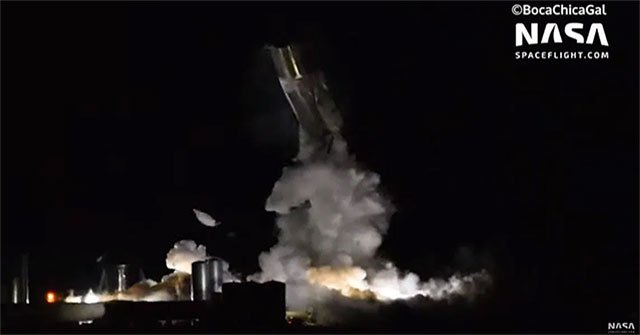
The explosion caused the Starship prototype to be torn to pieces and could cause SpaceX to be late in the race to send people to Mars.
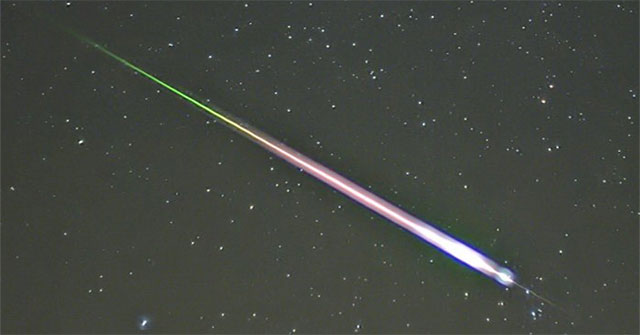
Acfer 086 meteorite found in Algeria was used by scientists using new analytical techniques, first found a protein in outer space.
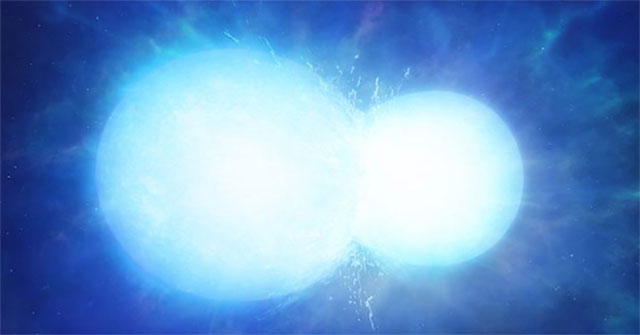
New research shows that the giant white dwarf WDJ0551 + 4135 may be formed by a collision between two other white dwarfs.
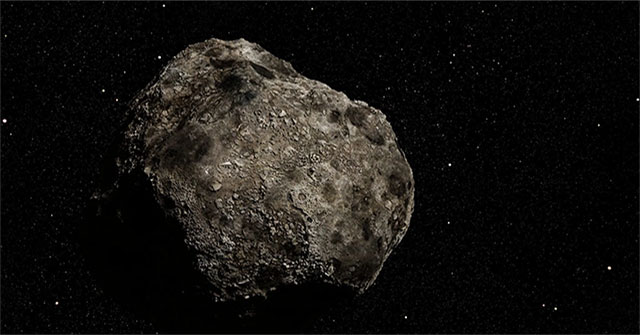
This large-sized meteorite is flying towards the Earth, there may not be a collision but it is still subject to observation.
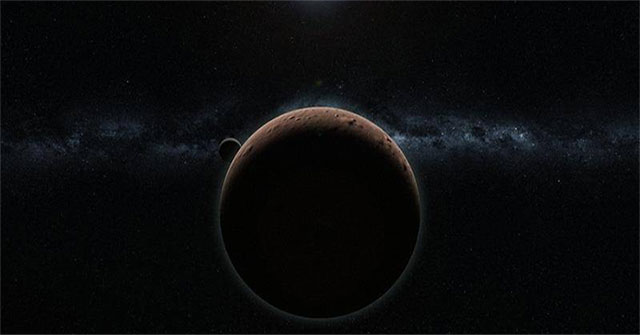
The International Astronomical Union (IAU) recently named a planet in the solar system after the Chinese water god Gonggong.
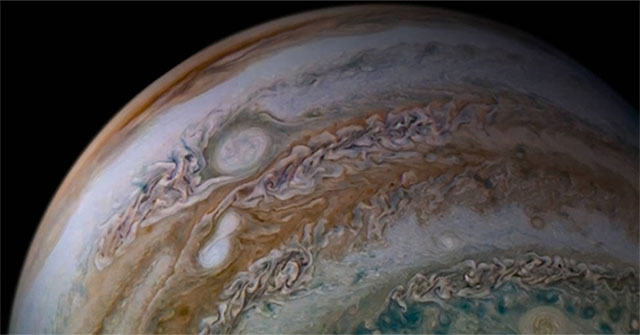
The two storms that turned anticlockwise had been near several months ago, splitting apart, and beginning to merge again.
Scientists have found a particle, which could be the source of dark matter in the universe.
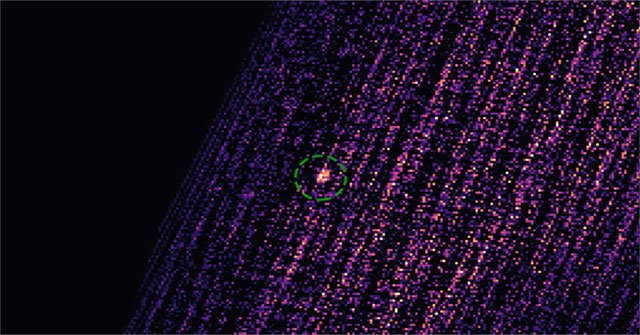
NASA accidentally captured an X-ray burst, a phenomenon that occurs when black holes suck matter from stars in the constellation Columba.
According to Manasvi Lingam and Abraham Loeb, two leading professors at Harvard University, supernovas can be used to push the speed of spacecraft to the speed of light.