Science Events
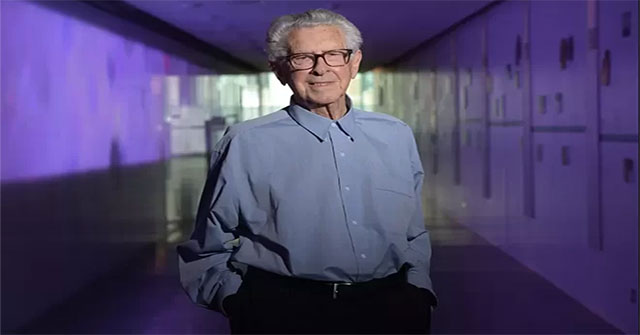
Candidates for the 2019 Nobel Prize in Medicine
Genetic studies are expected to win this year. Immunology, cancer, and infectious diseases have fewer opportunities.
Browse ScienceInfo articles and explainers related to 2.
4,161 published items.
Genetic studies are expected to win this year. Immunology, cancer, and infectious diseases have fewer opportunities.
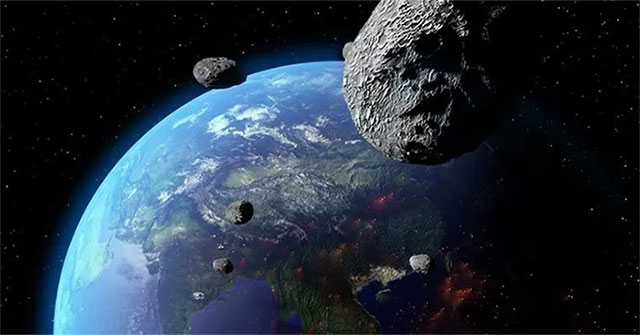
The US space and space agency, NASA, said at least four potentially dangerous asteroids are and will be close to Earth last night and tonight, 3-10. However, the cosmic…
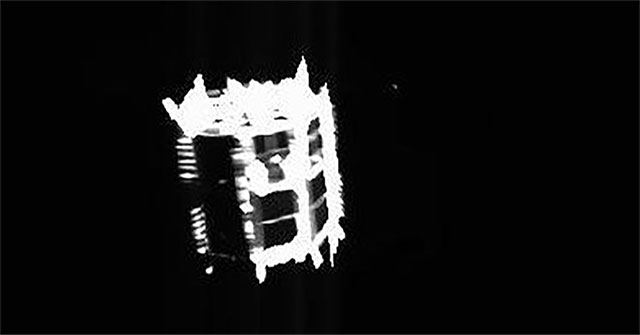
Hayabusa 2 dropped MINERVA-II2, a robot whose main task was to study the gravity of the asteroid Ryugu, before returning to Earth.
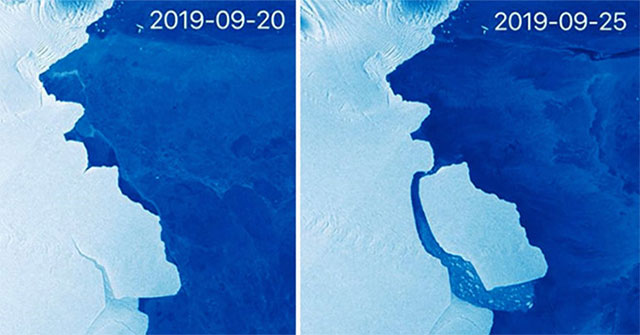
Scientists say the recent loss of Antarctica has been unrelated to climate change, but the consequences of this process could accelerate the thaw.

Humans officially entered an undiscovered territory. For about 2.5 million years on Earth, humans have never lived in the atmosphere today.
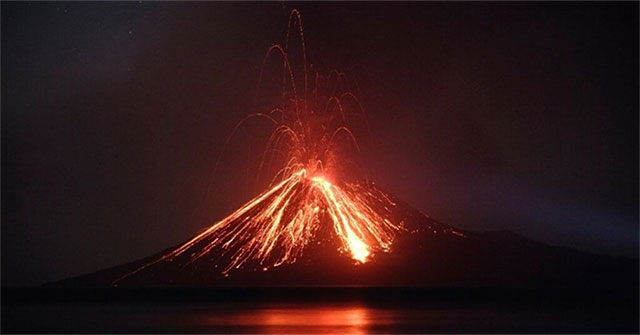
Every year, human activity releases carbon, which causes the climate to warm up, 100 times more than when all the volcanoes on Earth were active, a decades-long study pu…

Dengue is a viral flu spread through the bite of Aedes mosquitoes. Dengue fever is widely known as

During World War 2, Nazi scientists researched and built a super weapon called Die Glocke. By design, this weapon of Hitler has the ability to melt humans and animals in…

The Environmental Photographer of the Year awards ceremony took place in New York, at the same time as the United Nations Climate Change Summit.
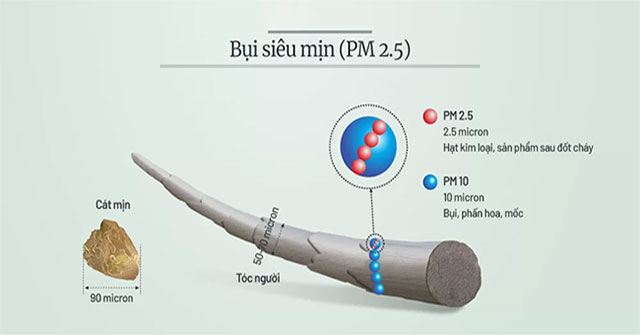
PM2.5 dust (super fine dust) can penetrate deep into the lungs, easily causing respiratory infections, heart and eye diseases ...
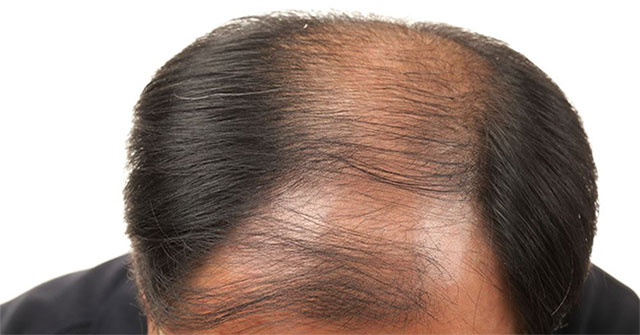
In a recent study, scientists devised a new approach: using the smell of sandalwood to stimulate hair growth.

Alibaba launches an AI supercharger, which has 10 times the computing power of traditional graphics processing units.
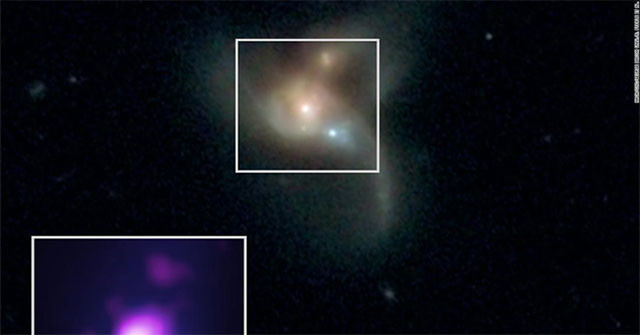
Scientists first observed the phenomenon of three galaxies colliding, placing supermassive black holes at their centers into orbit to merge.
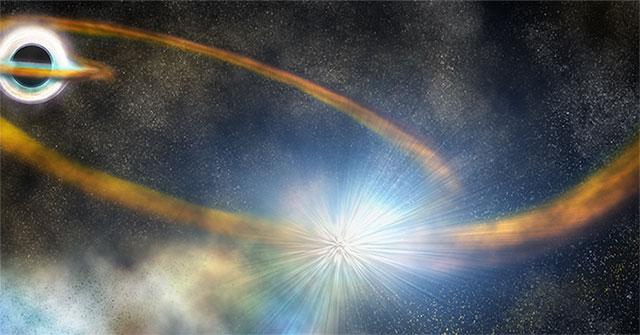
TESS, NASA's $ 200 million telescope, observes a black hole about 600 million times more massive than the Sun.
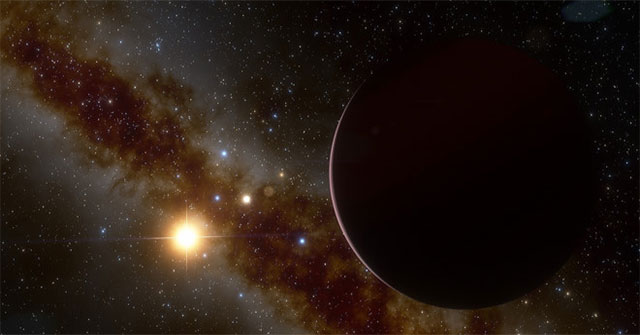
Scientists were surprised to find the solar system nearly 30 light-years from Earth, even though the center is a small red dwarf that still holds the planet in mass in o…