Space science
How will the sun of the solar system die?
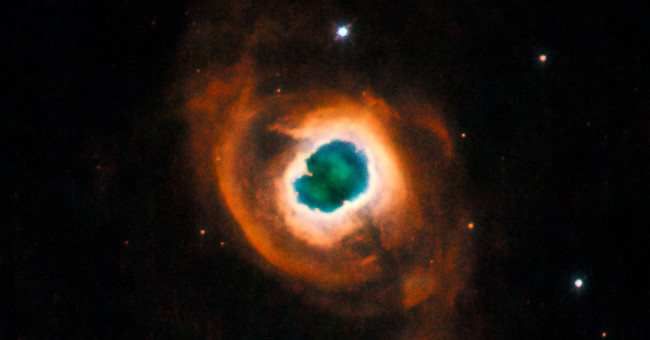
The European Aerospace Agency (ESA) has just released an image of a dying star, reflecting what will happen to our Sun in the next 5 billion years.
Browse ScienceInfo articles and explainers related to Aerospace.
475 published items.
The European Aerospace Agency (ESA) has just released an image of a dying star, reflecting what will happen to our Sun in the next 5 billion years.
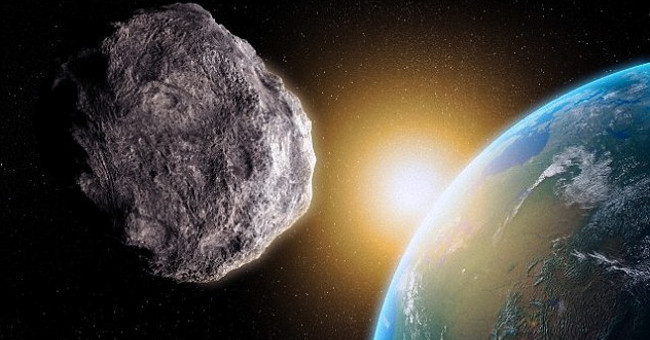
The US Aerospace Agency (NASA) recently announced a meteorite explosion
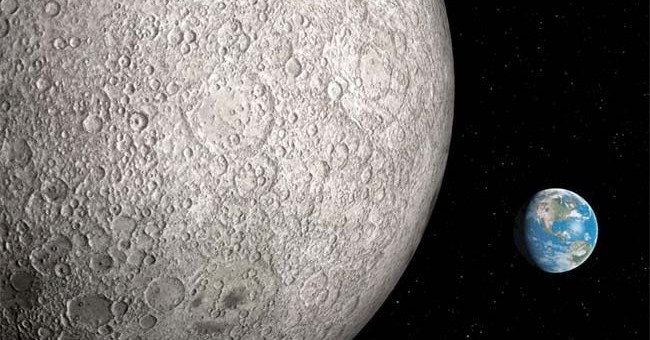
New conversation records from the Apollo 10 space exploration mission of the US Aerospace Agency (NASA) have revealed that astronauts have heard a
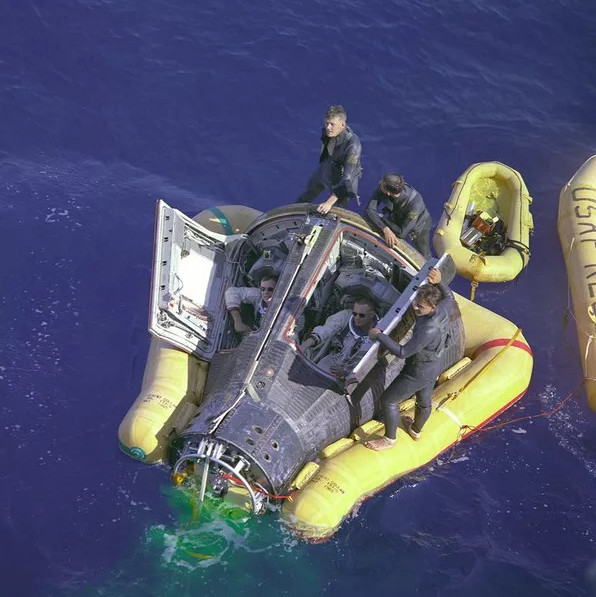
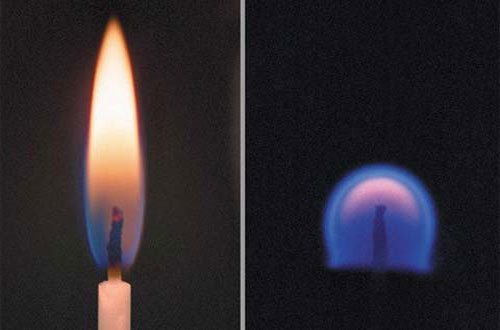
Did you know, in space, the candle flame burns in a sphere? People sweat more on earth? ...

The Russian and European aerospace agency will cooperate on a series of missions to create a permanent human base on the Moon.

In addition to successful space programs, the US Aerospace Agency (NASA) has many times tasted defeat and cost.

The image of the New Horizons probe of NASA's Aerospace Agency (NASA) shows that the Kerberos moon has a reflective surface, as opposed to previous scientific prediction…
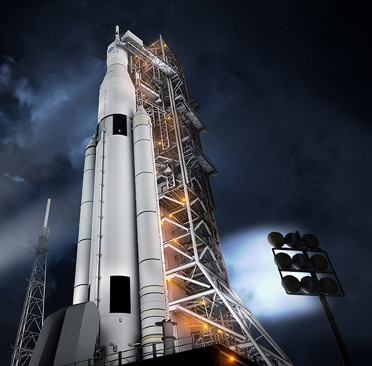
In the plan to bring people to Mars in the 2030s called Journey To Mars, the US Aerospace Agency (NASA) outlines support technologies that have the potential to grow in…
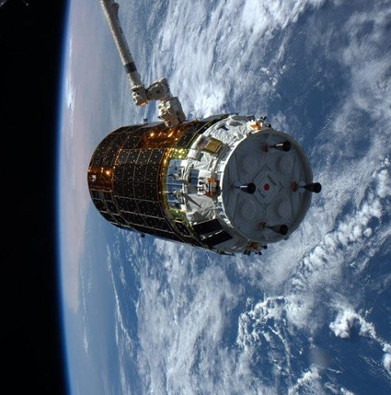
On September 29, Japan Aerospace Exploration Agency (JAXA) announced that the country's Kounotori 5 unmanned transport vessel for resupply had left the international spa…

The US Aerospace Agency (NASA) announced on October 1 the design of the Band - like an ice castle, winning a design competition for human models on Mars.

The US Aerospace Agency (NASA) has just announced the latest images taken from the New Horizons spacecraft that are being sent in the exploration mission at Pluto.
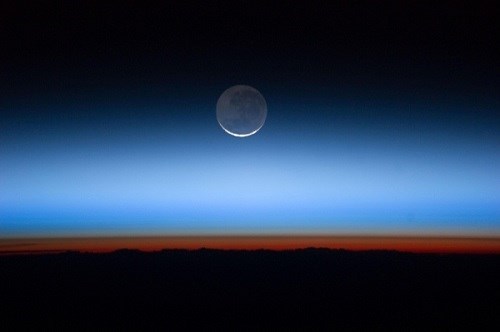
Elysium Space, an American aerospace service company, has provided services to bring people to the final resting place in the ... moon, Fortune (USA) site on 24.8.
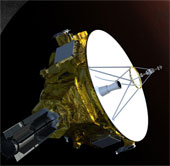
Seven weeks after making a historic flight through Pluto, New Horizons spacecraft from the US Aerospace Agency (NASA) began to send tens of gigabit data to Earth.
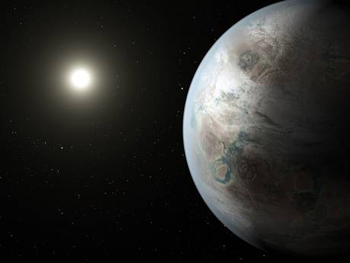
Kepler-452b, the most Earth-like planet discovered so far, may be warmer, wider, and have surface water.