
Medicine - Health
How can I avoid sore throat when hot?
It was too hot, many mothers wondered because if they did not turn on the air conditioner, the children struggled uncomfortably, but they were afraid of having a sore th…
Browse ScienceInfo articles and explainers related to Air.
2,472 published items.
It was too hot, many mothers wondered because if they did not turn on the air conditioner, the children struggled uncomfortably, but they were afraid of having a sore th…
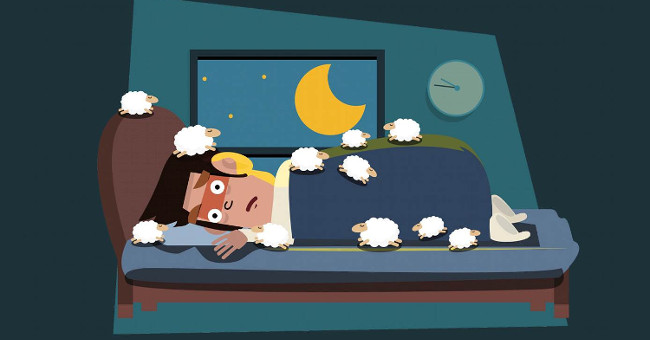
In places where the pace of life is fast and urgent, sleep is extremely important. Yet, one of the leading causes of insomnia is something that few people pay attention…

Sneezing is a reflex that is hard to control. When people want to sneeze, it's hard to hold back. Usually, most people sneeze only once, but some people have to sneeze t…
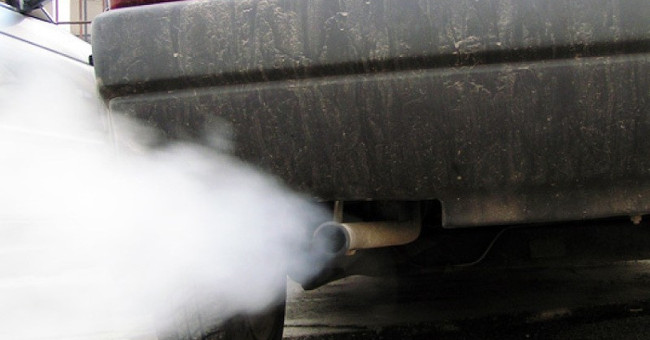
British experts say dust particles from engine exhaust can penetrate deep into the body, increasing the risk of heart attack and stroke.

Leaving the room temperature too cold too much difference with the outside temperature can cause the body temperature to drop suddenly, even at risk of stroke and death.
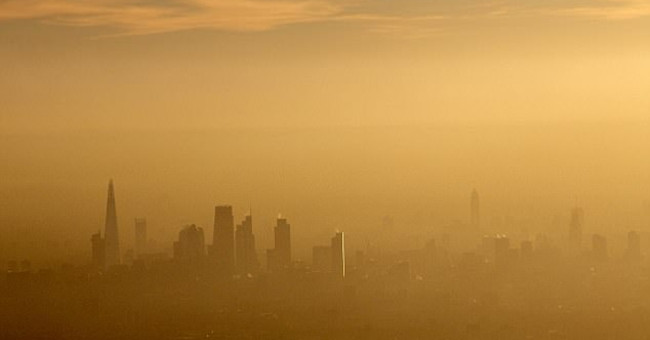
Air pollution is one of the problems in many major cities in the world, causing many negative consequences for people's health, especially respiratory diseases.

Scientists say people who suffer from everyday air noise are at risk of developing type 2 diabetes up to 86%.

A recent study by American scientists said drinking B vitamins every day could help reduce some of the harms caused by air pollution.

When the humidity of the air is too high, it will cause the wall, floor to flow and mold, bacteria begin to grow. This is the reason why babies get sick.

The mild aroma of lemon works to purify the air, reduce nasal congestion, stress, help you sleep better.
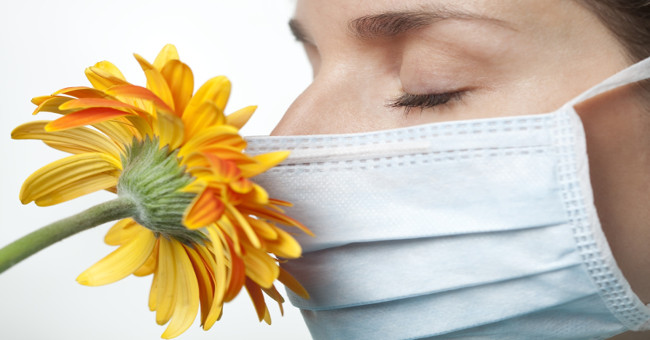
Hanoi in the flower season with pearly daisies flooded, but pollen dispersed in the air flying into your eyes, nose and lungs easily triggering asthma ...
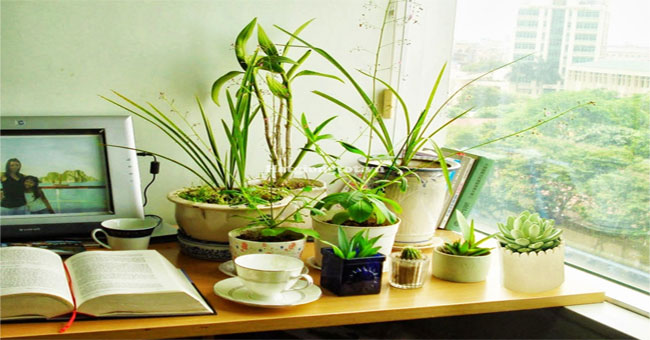
Many closed room plants are not good for the respiratory system, which can lead to allergies.

According to research by the US Institute of Data and Health Assessment (IMHE), the most dangerous culprit is killing us is a poor diet.
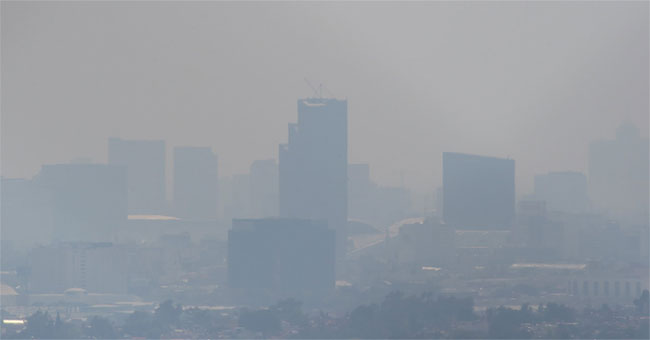
Researchers have recently discovered tiny pollutant molecules inside brain tissue samples, suggesting that dust pollution not only attacks the lungs but also the nervous…

Bacteria lurk everywhere, from hidden corners of the house, your desk to public places like elevators or airports.