
Life
Science discovers the 'culprit' that makes fear ingrained in our minds
After experiencing a terrifying event, many people never forget it. The question is why does that fear cling to us, while other events are forgotten by us over time?
Browse ScienceInfo articles and explainers related to Amygdala.
26 published items.
After experiencing a terrifying event, many people never forget it. The question is why does that fear cling to us, while other events are forgotten by us over time?

There is a special area in the brain that makes many people feel frightened and have a bad aversion to real-life robots.
Many people wonder if watching scary movies really gives viewers any real benefit?
You know how sad feeling is? And until recently, neuroscientists have discovered a little more about how melancholy emotions are from a scientific perspective.

Sweet is the taste that many of us love. This is even more authentic when the milk tea fever, now fresh milk with black sugar has not cooled down to young people.
Do you remember the story of a shepherd and wolf pack? The boy 5 times 7 times shouted that the wolf came to eat the lamb but it was all a joke to tease the villagers.
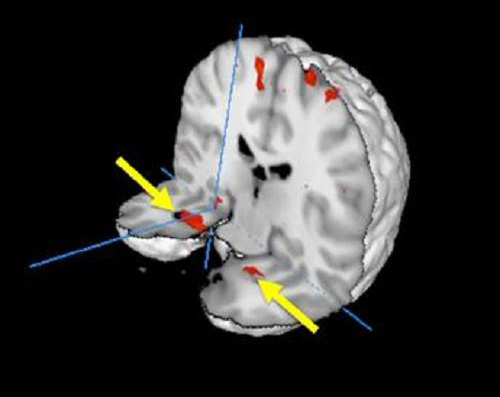
The brains of people who have experienced plane accidents become especially sensitive to negative reactions while normal people do not.

Let's find the real cause of why bad events and memories are so hard to forget.

The sound of nail clippings on the blackboard is one of the five sounds that make the listener the most annoying. A new study has discovered an interaction between the a…
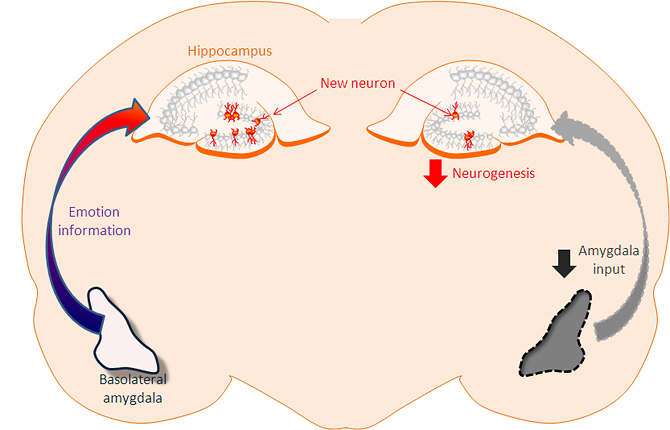
In a situation that scares you, newborn neurons will be activated by the amygdala and can provide a
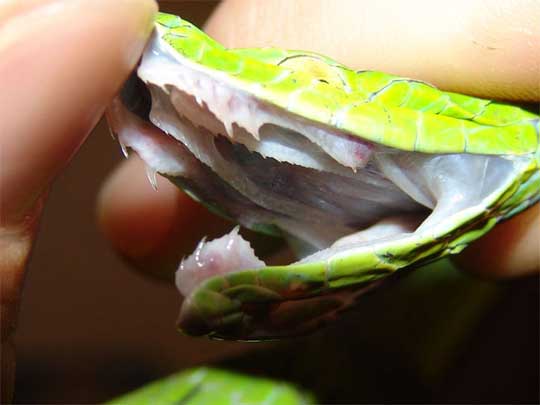
American scientists have discovered a woman with a rare brain disease, making her not afraid of anything, including a large snake crawling around her or a knife next to…

Scientists in Italy say they have identified areas of the brain that can help people remember vivid dreams.
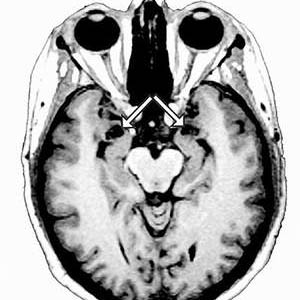
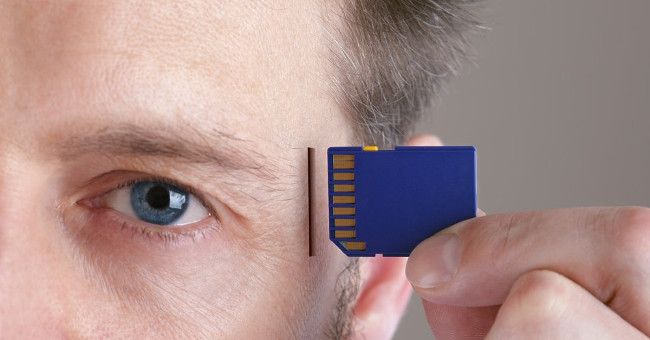
People with hyperthymesia syndrome are able to remember things that have been long past in detail, easily and uncontrollably.
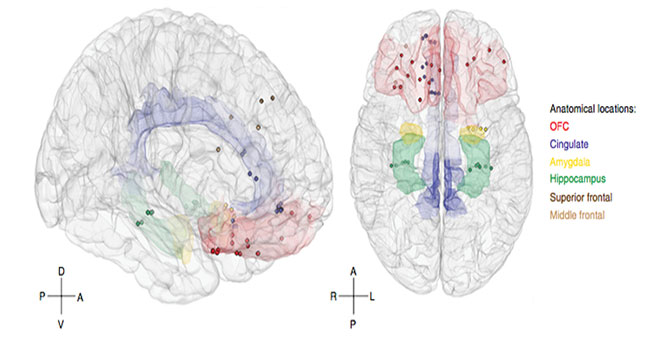
According to Nature Biotechnology, American scientists have developed an algorithm to effectively monitor people's moods through brain activity.