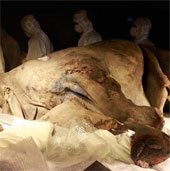
ArcheologyRussian scientists have begun to clone the plan of cloning animals from prehistoric times, including mammoths in the hope that the permafrost in Siberia will help them a…
December 17, 2018
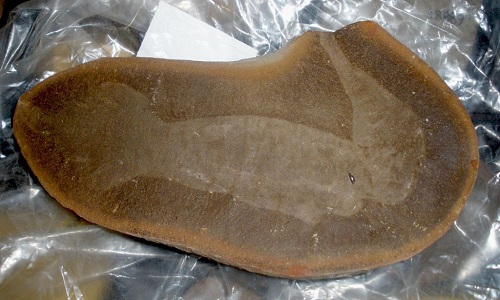
ArcheologyUnlike giant dinosaur skeletons, some fossils have become the focus of archaeologists' attention because of their uniqueness.
December 17, 2018
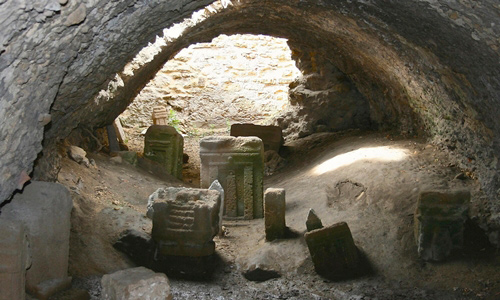
ArcheologyThe ancient Carthaginians sacrificed newborn babies and animals to express their gratitude to the gods.
December 17, 2018
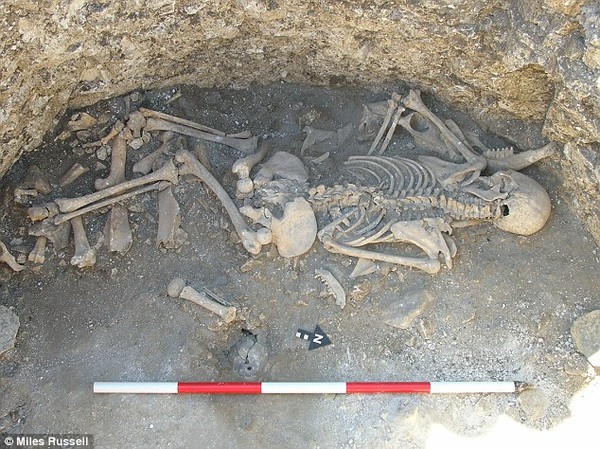
ArcheologyArchaeological experts are extremely surprised and continue to study this special grave.
December 17, 2018
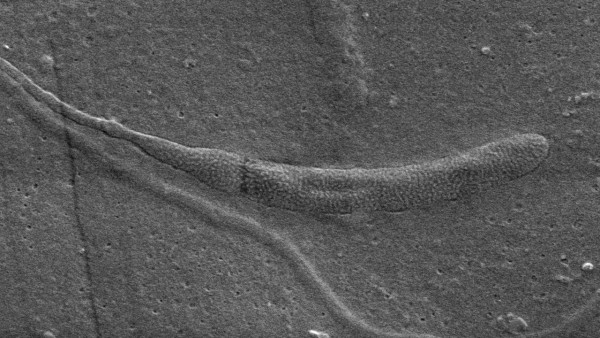
ArcheologyFrom the Antarctic icy land, researchers unearthed a prehistoric jewel: 50 million-year-old sperm.
December 17, 2018
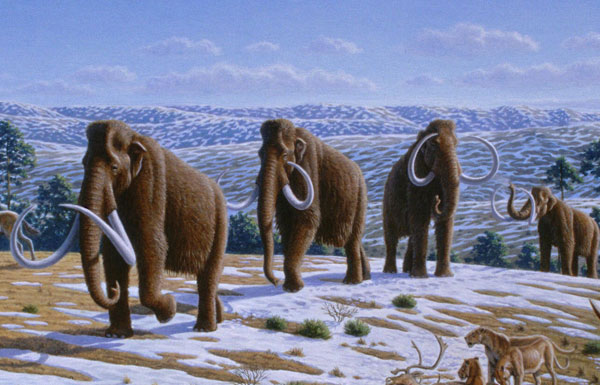
ArcheologyRecently, the results of DNA analysis of extinct animals that have been carried out on a large scale have shown that mammoths and other giant creatures that once lived i…
December 17, 2018
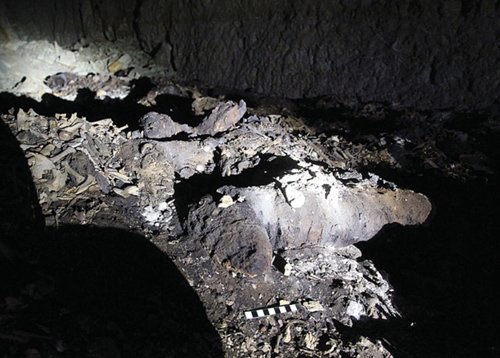
ArcheologyArchaeologists discovered 8 million dog mummies at the grave honoring the ancient Egyptian dog god Anubis.
December 17, 2018
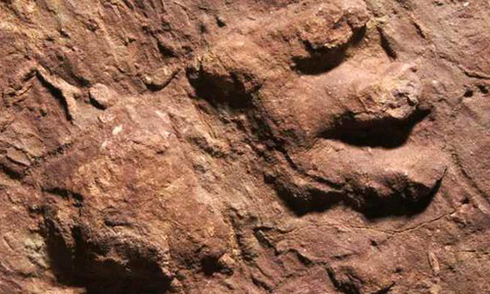
ArcheologyScientists found animal footprints in the Archosauriforms reptile group, suggesting they prospered before and during the Great Extinction.
December 17, 2018
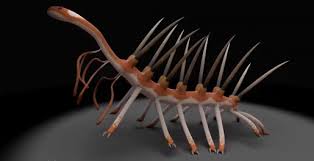
ArcheologyCanadian and British scientists recreated a species of creatures more than 500 million years ago, worms-like but with sharp spines, legs, eyes and teeth, based on fossil…
December 17, 2018
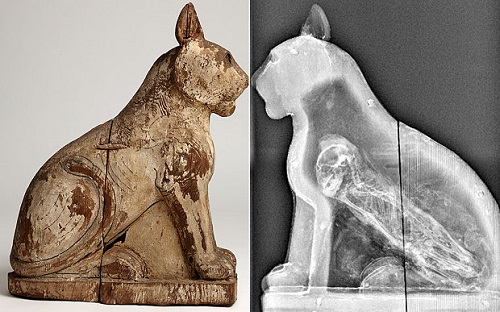
ArcheologyBritish scientists discovered inside the ancient Egyptian mummies contained only mud and feathers, not animal carcasses.
December 17, 2018

ArcheologyThe common ancestor of all human beings can own tentacles, according to the latest research by a Russian scientist.
December 17, 2018
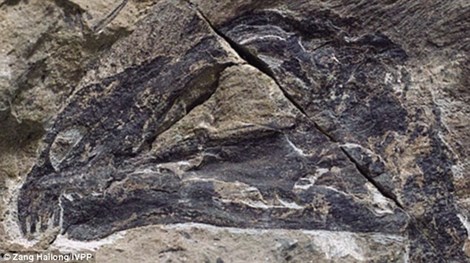
ArcheologyA strange new dinosaur with bat-like wings was discovered by a farmer in China.
December 17, 2018
ArcheologyThe latest scientific news from scientists said a larger set of giant fossil lobsters has been found in southeastern Morocco in North Africa.
December 17, 2018
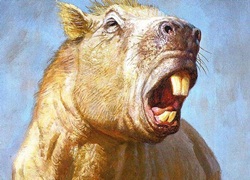
ArcheologyThe strange creature with a large body like a buffalo and ivory-like set of teeth has lived on Earth about three million years ago.
December 17, 2018
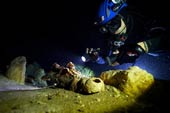
ArcheologyA group of international experts returned from the first expedition in three flooded caves in Tsimanampetsotsa National Park, carrying large fossils to find a solution t…
December 17, 2018