Biology
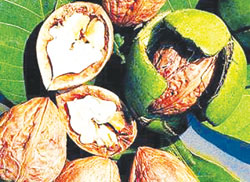
Detecting female sexual hormones in plants
Until now, scientists still think that only animals produce female sex hormones, progesteron, a chemical group of steroids produced by the ovaries to prepare the uterus…
Browse ScienceInfo articles and explainers related to Animal.
5,291 published items.
Until now, scientists still think that only animals produce female sex hormones, progesteron, a chemical group of steroids produced by the ovaries to prepare the uterus…
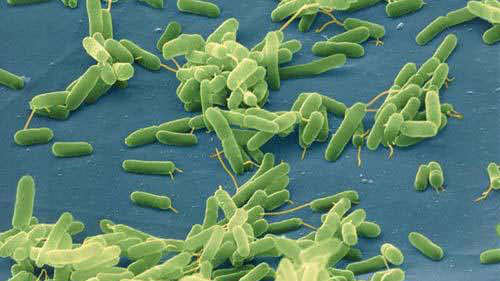
The thermophilic bacteria on the ocean floor of the Arctic Ocean may have slept for 100 million years to wait for
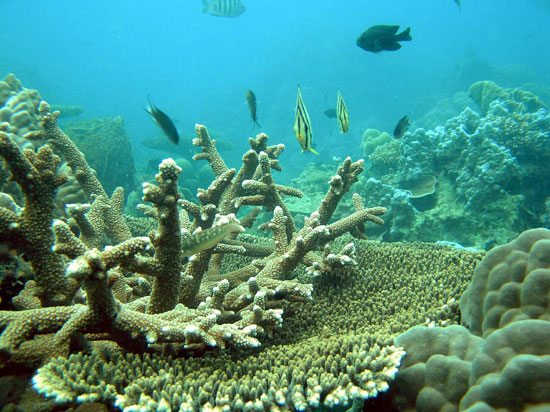
Recent research results in the UK show that more than a fifth of the world's plant species are facing the risk of extinction.

A rather interesting scientific information has revealed that scientists have discovered a gene that allows insects to regenerate their body parts after being removed.

During the experiment, Japanese scientists discovered mechanisms to inhibit food allergies in animal bodies.
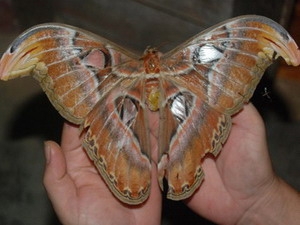
A strange butterfly is about as many times as regular butterflies have been discovered.

There is a sex gene, found in all animals whose function has virtually unchanged during evolution.

Humans and some other animals will become extinct in the next 100 years as the population booms and consumerism grows unrestrained.

Being bitten by insects is not a rare thing in everyday life. However, subjectivity can lead to very serious consequences for health and life.

The 3-millimeter, 'tiny' caterpillar, lives at Hembury Woods, Devon, England, officially recognized as an 'unprecedented animal'.

US scientists have discovered that some caterpillars can live indefinitely on land as well as underwater.

British scientists have discovered the mechanism of action of the DAF-16 gene is closely related to the aging process, immunity and disease resistance in humans and anim…

Scientists at the University of Tokyo, Japan, said they have successfully implanted into the animal body C60 that can carry genes to apply in medical treatment.

Finally scientists also solved the question, how can a small organism flourish during the past 50 million years without mating?

Over 80% of plants and more than 90% of animals in Madagascar cannot be found anywhere else on the planet.