Animal world
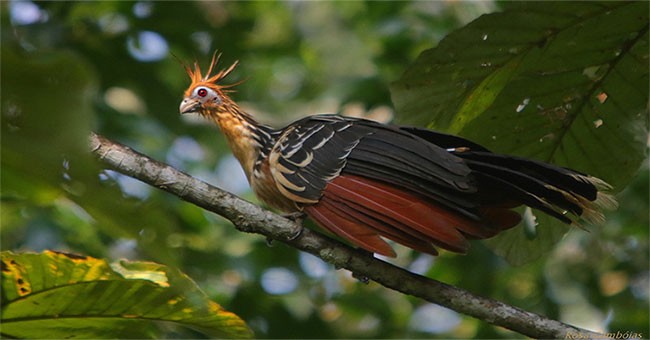
Strange bird smells like feces, fake death
The Hoatzin is a bird that lives in the Amazon and Orinoco plains. This is the only bird with claws growing on each wing.
Browse ScienceInfo articles and explainers related to Animal.
5,291 published items.
The Hoatzin is a bird that lives in the Amazon and Orinoco plains. This is the only bird with claws growing on each wing.
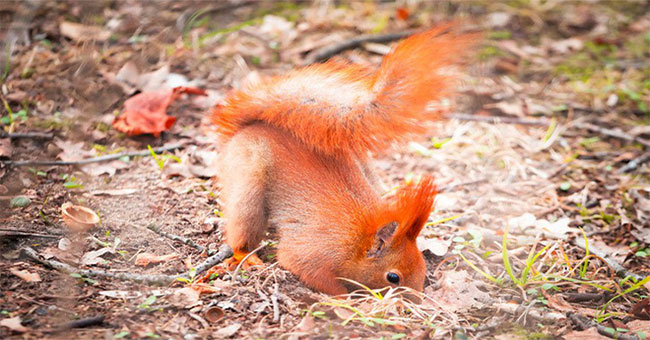
Do you know the sleeping otter always holds hands? It is just one of the many truths people are not thinking about about the animals in the natural world.
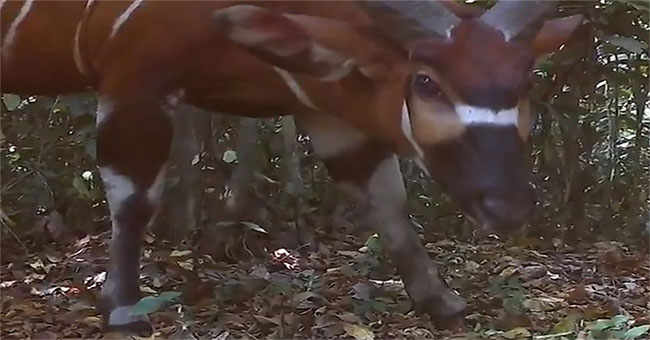
Perhaps people are very confident that they have discovered many mammals and named them as special residents sharing the atmosphere of the Earth.
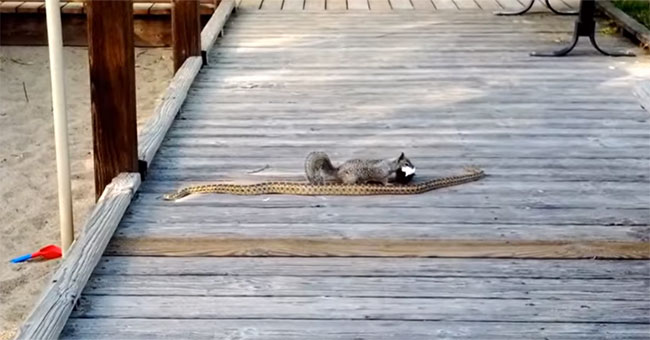
The small squirrel bravely rushed to attack the snake when she found the enemy scolded and crawled into the nest in California, USA, Viral Hog reported on October 3.
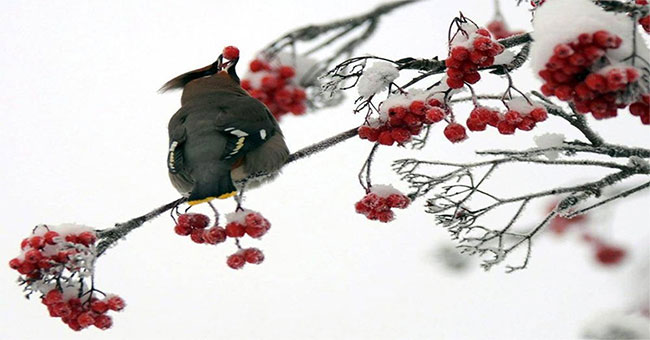
City Police Gilbert, Minnesota - USA, recently warned local residents about the phenomenon of
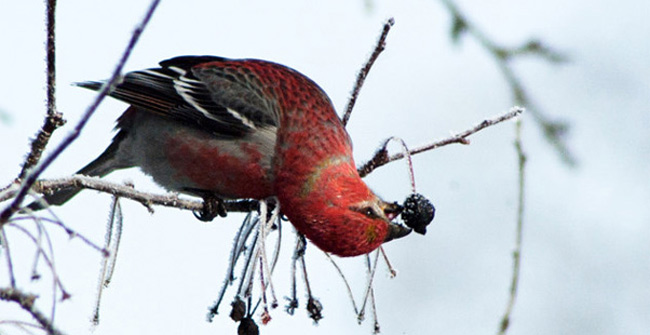
The animals that are supposed to evolve anomalously to survive, among the evolutionary animals, have the Cuu Long head abalone in Vietnam as one of the few fish species…
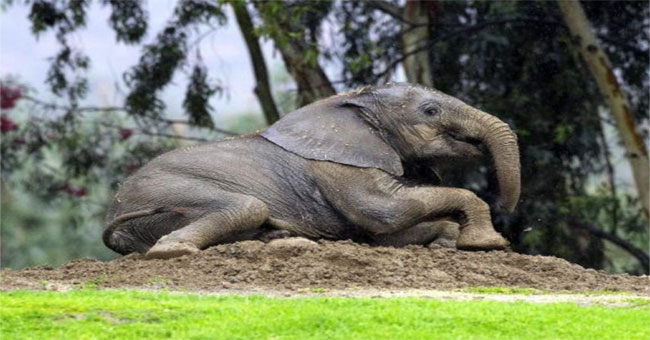
In a new article published in Nature Communications, scientists claim that these cracks are the outer bones of animals.
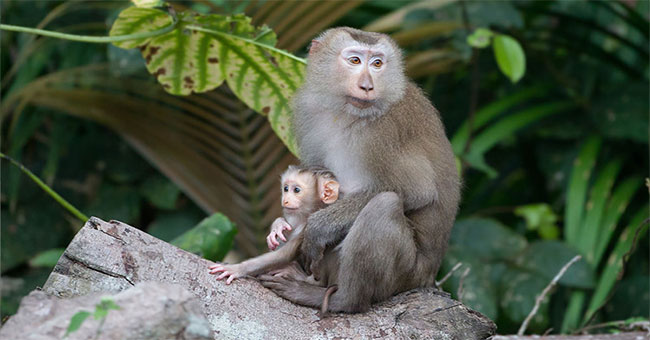
The pig-tailed monkey has a scientific name, Macaca leonina. Its name comes from the tail-like shape of a pig, which is one of the largest species in the Cercopithecidae…
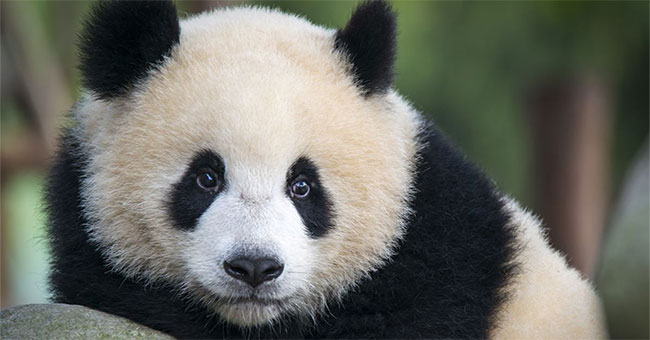
According to research, pandas can recognize each other from their sheep-like beeps from distances of up to 20m.
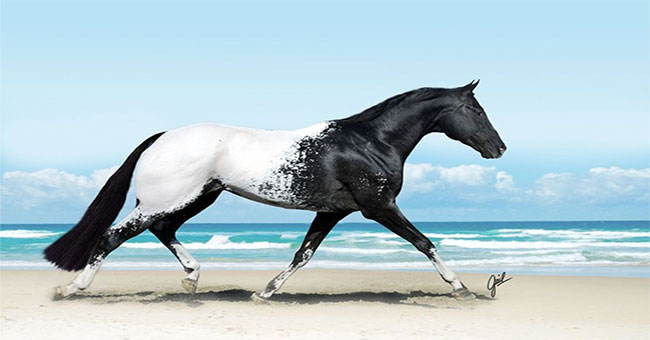
'Fairy pink with apricot', 'octopus' ... not only are animals with strange names but even when they see it with their own eyes, you can hardly believe that they actually…
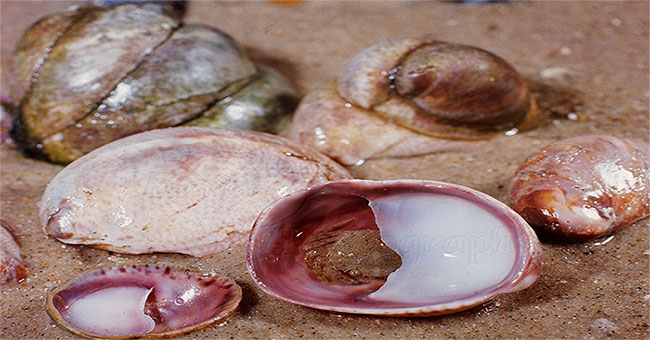
Scientists discovered the sea snail, also known as Crepidula marginalis, which was born with a male genitalia and at a certain time they would turn into females.
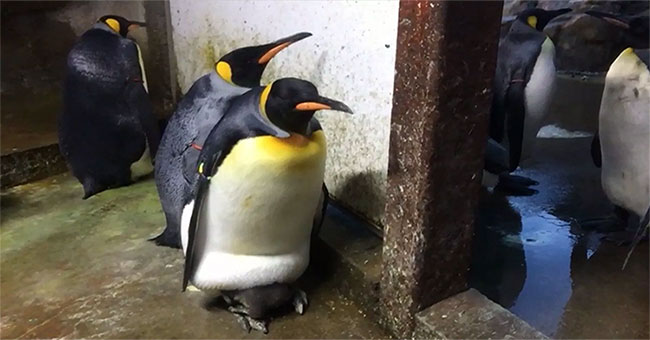
Two male penguins in the Odense Zoo in Denmark paired up like a couple
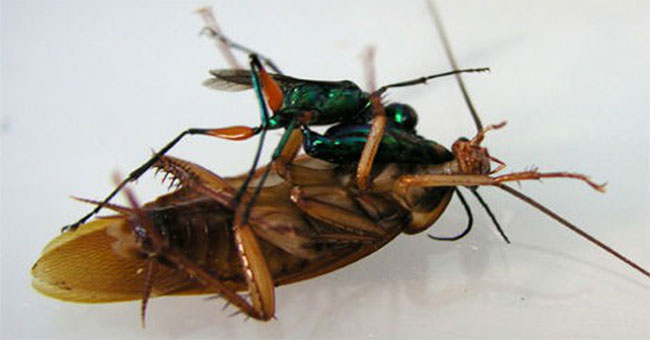
Unlike zombies in horror movies that are dead, real zombies still live, eat and sleep normally.
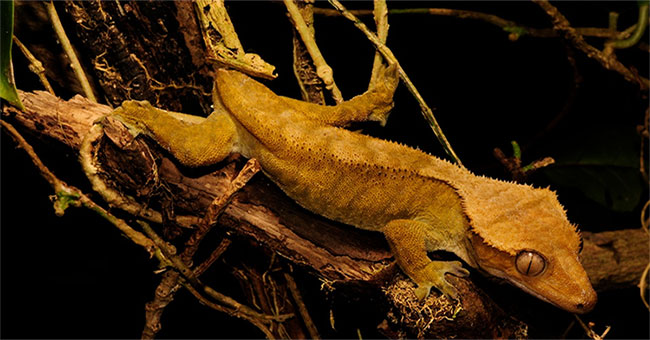
New Caledonian gecko is only found on the island known as the New World in the southwest Pacific.
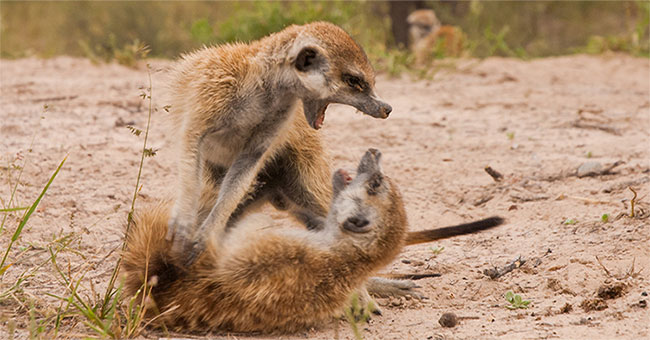
Biologists believe that in many animals with social behavior, genetic characteristics allow the herds to live longer, resist age-related diseases.