Environment
Japanese tsunami broke the Antarctic ice
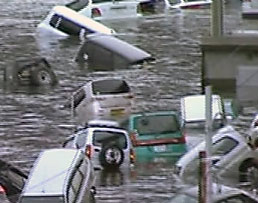
The tsunami on March 11 in Japan was so powerful that it broke many large blocks of ice in Antarctica, a few thousand kilometers from Japan.
Browse ScienceInfo articles and explainers related to Antarctic.
441 published items.
The tsunami on March 11 in Japan was so powerful that it broke many large blocks of ice in Antarctica, a few thousand kilometers from Japan.
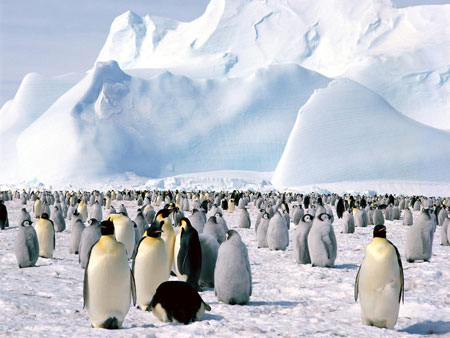
New Hampshire reports Donald Argus, a scientist from the US Aerospace Agency (NASA), and colleagues using global positioning satellites data for 15 years to track Antarc…
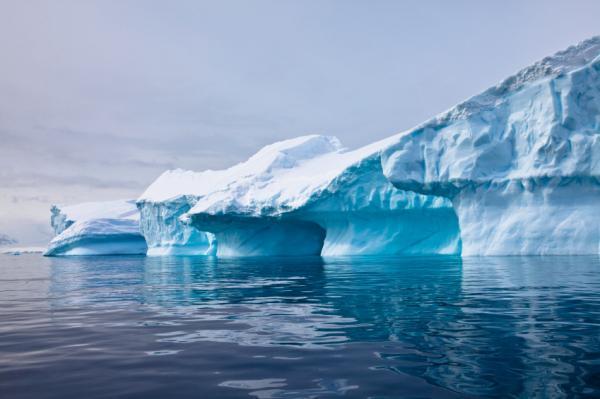
The ice in Antarctica and Greenland melting at 382 billion tons per year is creating a large amount of water flowing into the oceans. This amount of water is cornered to…
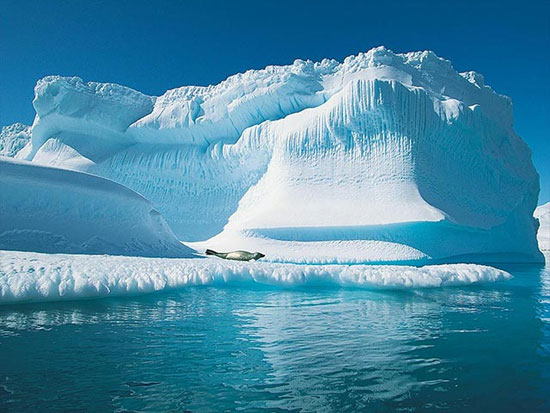
Ice and snow on the two poles of the Earth have dramatically reduced human, animal and plant life as well as the circulation cycles of the atmosphere and oceans.
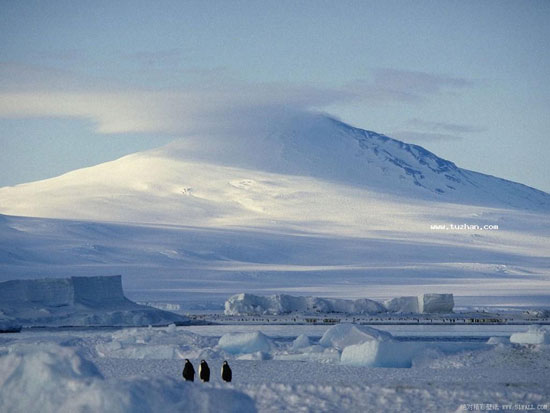
Chinese scientists became the first to successfully map the entire area of Antarctica at a scale of 1: 100,000.

A giant iceberg about the size of Luxembourg (Western Europe) that broke off from the eastern South Pole earlier this week may threaten marine life, scientists warn the…

International scientists have published the first data on the mysterious giant mountain range deep beneath the ice at the southernmost tip of the earth.
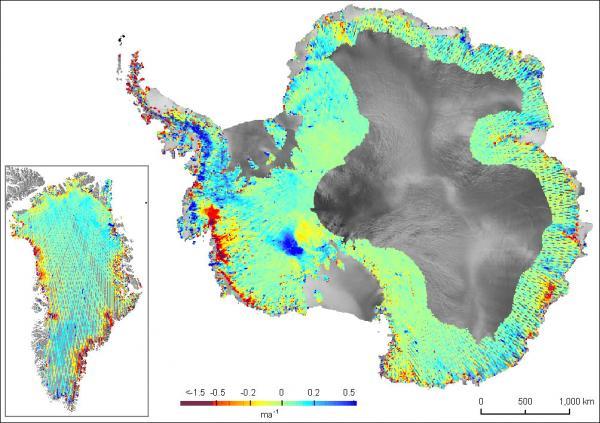
Recently, space satellites have provided scientists with the most comprehensive picture of rapidly moving glaciers along the Antarctic and Greenland coasts.
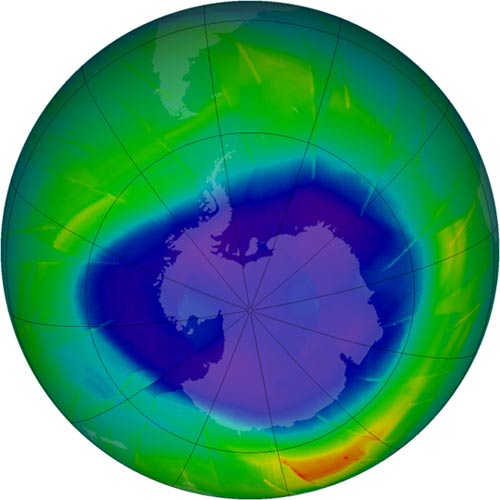
World Meteorological Organization (WWO) predicts ozone depletion in Antarctica, this year, is likely to be smaller than the loss in 2008.
Scientists say the huge glacier in Antarctica is getting thinner and thinner. Glaciers around Pine Island in the West Antarctica are twice the size of Scotland, which is…
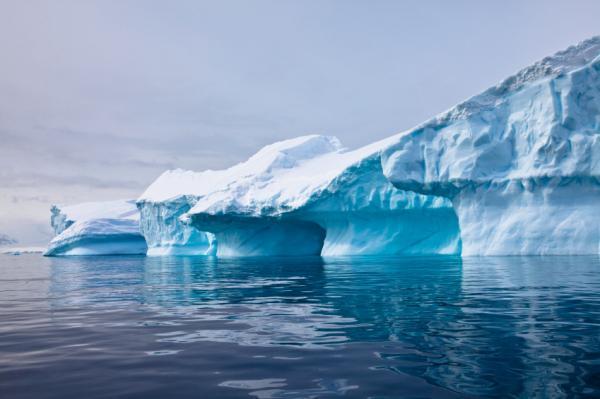
A recent study said that, while all or part of the western Antarctic ice sheet melted due to global warming, the sea level in the US coastal areas would rise by 25%. The…

An area of about 700 square kilometers in the southernmost part of the earth has crumbled into ice sheets.

British scientists recently claimed to have identified the origin of the dust that lies in the ice blocks at the Antarctic arc.
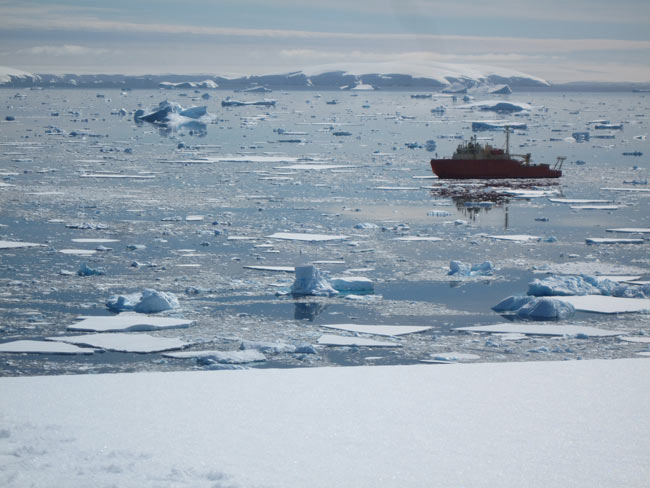
Rapid climate change on the Antarctic Peninsula has caused simultaneous changes in the region's biological productivity.
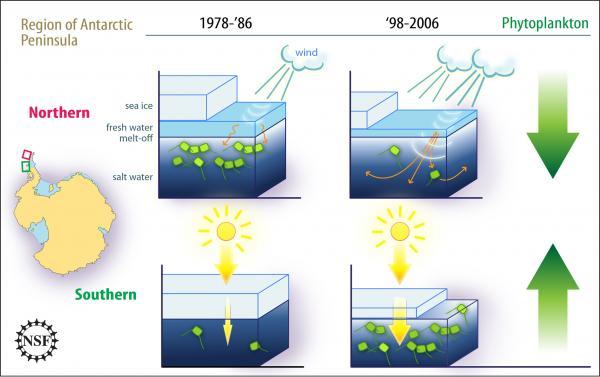
Antarctica has long been thought to be one of the fastest warming locations on Earth.