1001 mystery
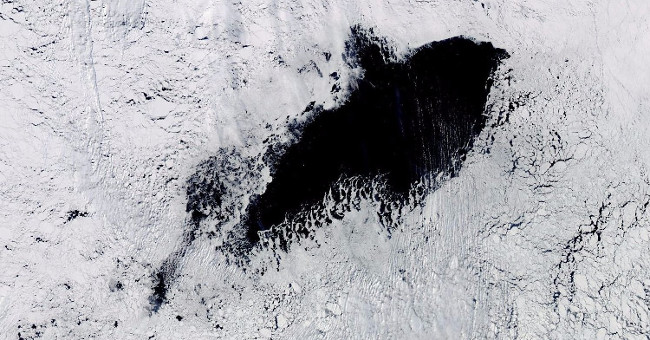
The mysterious giant hole appears between Antarctica
According to Radio Sputnik (Russia), this deep pit has an area of about 80,000 km2, equivalent to the area of Austria or the US state of Maine.
Browse ScienceInfo articles and explainers related to Antarctica.
290 published items.
According to Radio Sputnik (Russia), this deep pit has an area of about 80,000 km2, equivalent to the area of Austria or the US state of Maine.
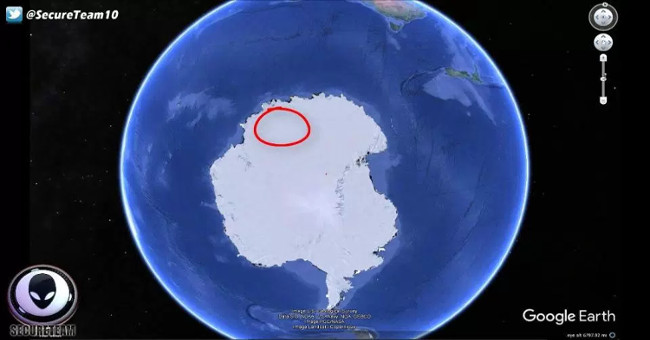
Scientists believe that a mysterious object under thick ice in Antarctica changes people's understanding of history.

The image recorded by Google Earth is likely the Antarctic's alien base.
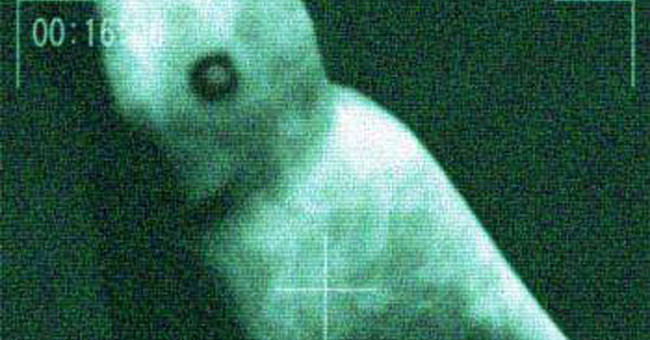
For a long time, Japan has spread the hegemony about the existence of humanoid sea creatures living in Antarctica
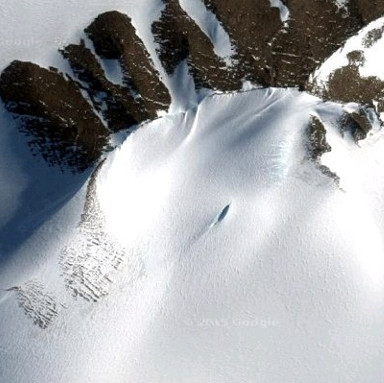
People are buzzing because of the information that an alien ship's body has been found and buried in Antarctic ice and snow and can be viewed on Google Maps.
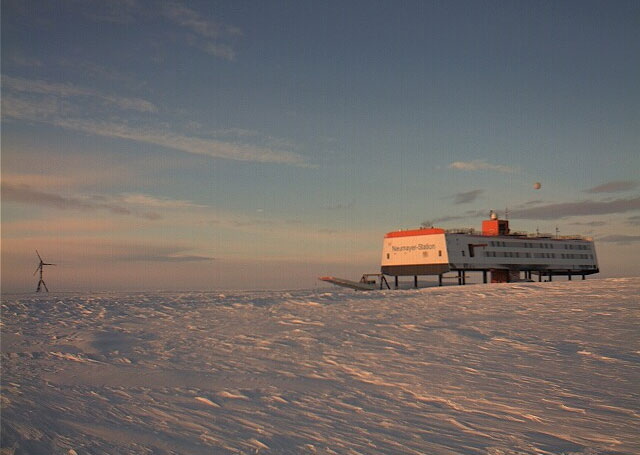
This object is almost a perfect circle, the size suitable for the ball, appears dimly unclear and is floating above the research station last August 10.

Pteropod - a pea-sized sea snail species that protects its transparent and fragile body from predators with a strong chemical compound
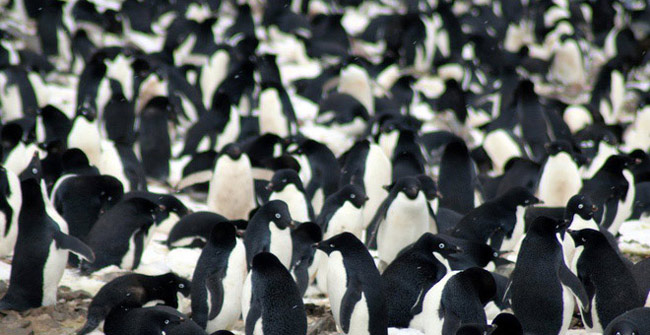
The island's remote location helped penguins thrive.

When drilling a small hole in Antarctica, the scientists were stunned to see the fish and shrimp swimming in the eternal darkness at a depth of 740m below the ice.
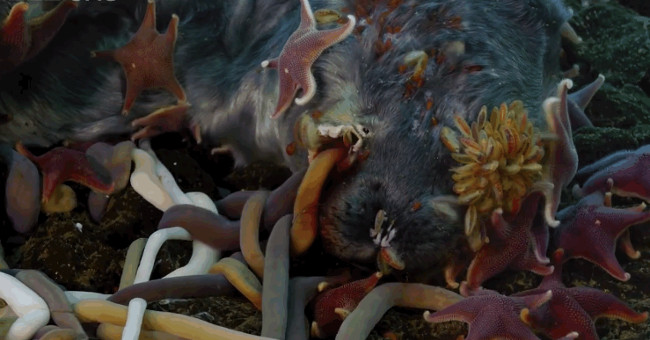
Do you have any specific fears? Many people have it! People are afraid of snakes, people are afraid of spiders, people afraid ... holes, people sometimes only afraid of…
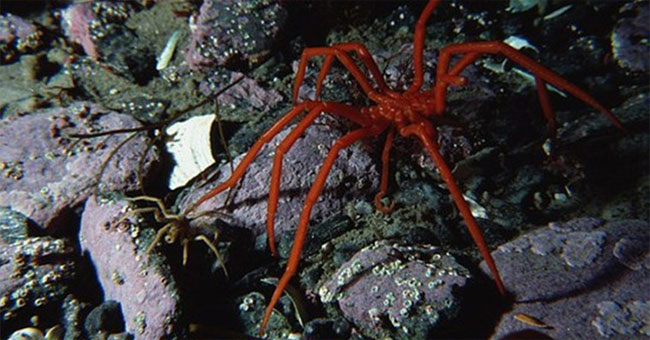
With 8 long legs and matching taps, the giant sea spiders in the polar region are bigger than the spiders everywhere else in the world.
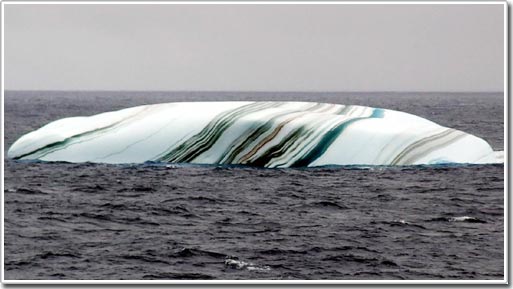
A large block of ice looks like a giant mint candy, with beautiful blue, green and brown stripes. The other one looks like it's pierced by a spear.
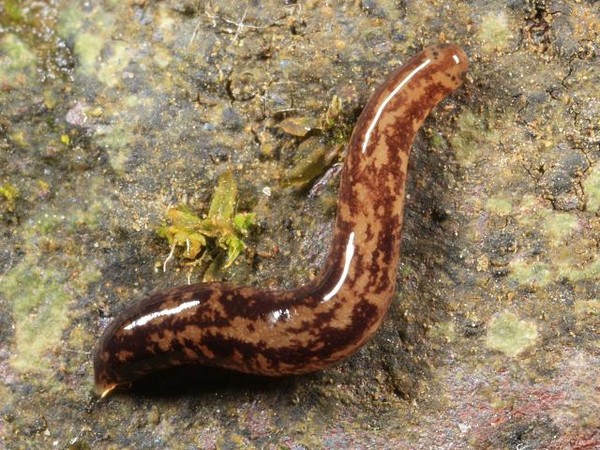
According to the researchers, this creature can stretch its body up to 60m - longer than a blue whale.
Experts are extremely surprised to find many small organisms that exist under thick ice in Antarctica.
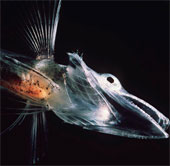
The fish that inhabit the cold waters of Antarctica are born with anticoagulant proteins in capillaries, which help the blood to flow normally without freezing.