Discover science
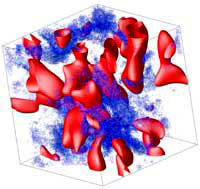
New 'smart' fluid: important application for the future
In a discovery that could promote the third use of 'smart liquids' in industry and commerce, scientists in Maryland announced they had developed photorheological fluids…
Browse ScienceInfo articles and explainers related to Application.
1,236 published items.
In a discovery that could promote the third use of 'smart liquids' in industry and commerce, scientists in Maryland announced they had developed photorheological fluids…
What is the most annoying noise for humans? Trevor Cox, an expert in sound applications at Salford University, throughout 2006 consulted on 34 types of sounds that make…

The latest research on the three-layer shell structure of a sea snail species can lead to the introduction of new generation helmets and helmets.
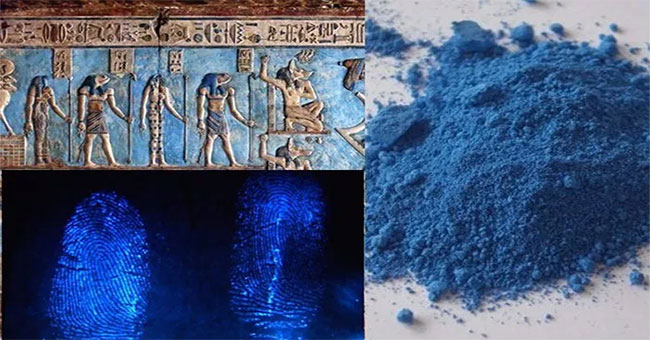
The 5,200-year-old Egyptian blue is often found in ancient statues, excavated reliefs from hidden tombs of incredible energy: it can help modern people create ... electr…
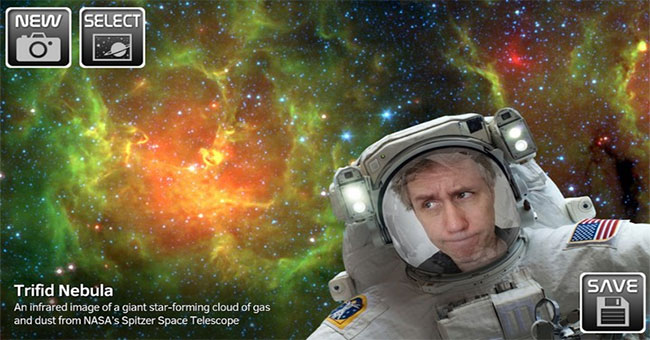
Now, you can completely visit the space with VR experience and selfie with two NASA applications.
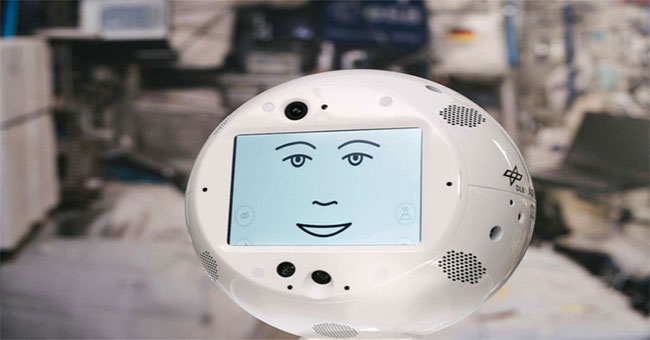
CIMON is an artificial intelligence robot and can operate in a zero gravity environment.
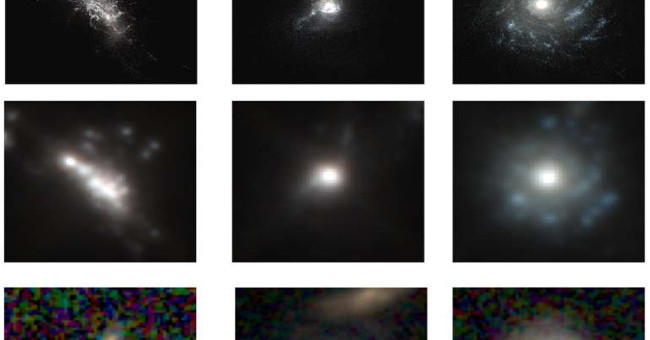
Galaxies are quite complex, changing astronomical objects that evolve over billions of years and images of galaxies can only provide timely snapshots.
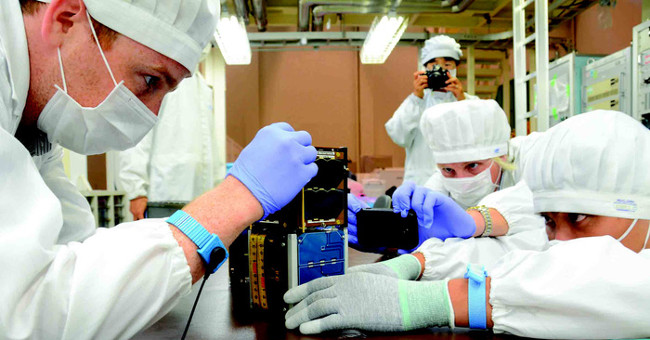
The MicroDragon satellite, designed and researched by researchers at the National Space Center, is ready to launch into orbit in 2018 by Japanese Epsilon missiles.

Gamma rays (denoted by γ) are a kind of extremely high frequency electromagnetic or photonic radiation.
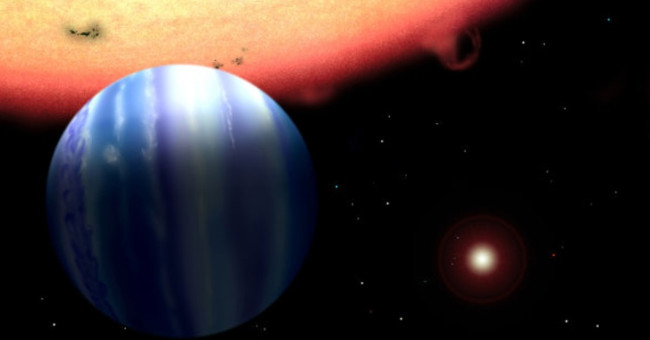
Scientists say they have discovered a planet the size of Jupiter, which has water in its atmosphere, thanks to the application of new technology in space research.

Inventing telescopes, spectroscopic applications or for the first time predicting solar eclipses are memorable milestones of astronomical research history.
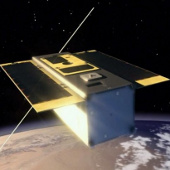
Strand-1, the first satellite in the world is controlled
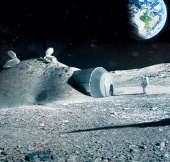
Setting up a base on the moon can be easier thanks to the application of 3D printing technology, which is the main material available on it.
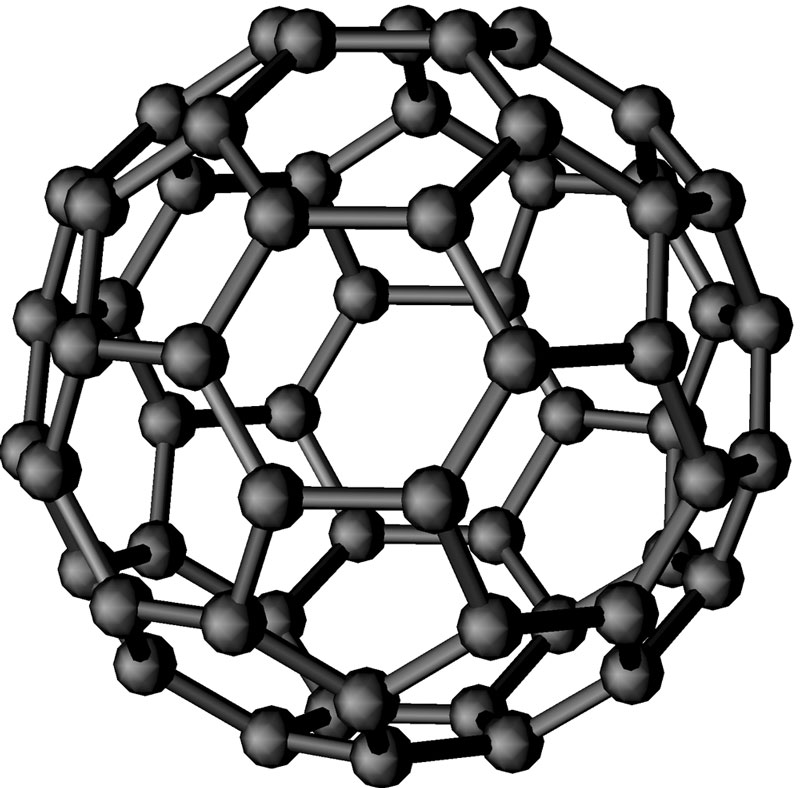
Thanks to NASA's Spitzer telescope, astronomers have discovered in space space fullerenes or solid-state carbon atoms that were previously found only in gases.