Animal world
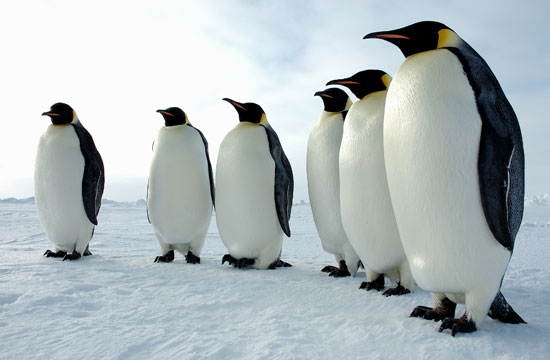
Why are Antarctic penguins afraid of the dark?
Most researchers think penguins have low visibility in the dark so they don't swim in the water when night falls.
Browse ScienceInfo articles and explainers related to Arctic.
779 published items.
Most researchers think penguins have low visibility in the dark so they don't swim in the water when night falls.
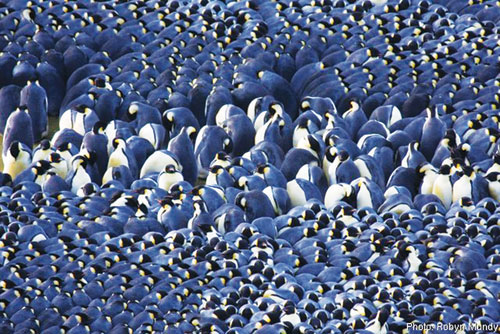
Having chosen to settle in the coldest place on earth, penguins must have a specific
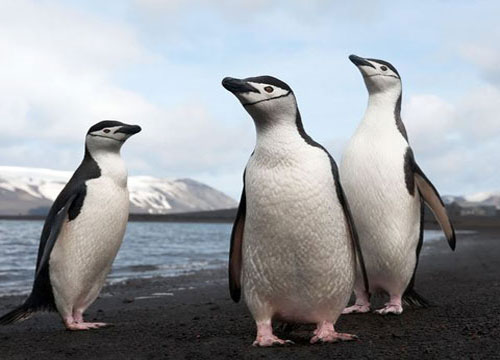
The loss of half of the penguins in the past three decades shows the crisis in the Antarctic marine life, including phytoplankton, mollusks, penguins and whales.
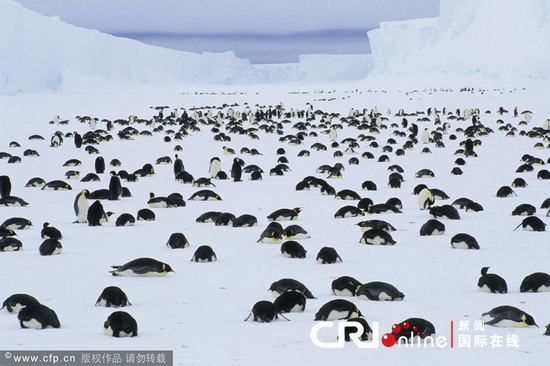
The status of mass death of Antarctic penguins is reflected by photographs of Daniel J. Cox photographer, possibly due to climate change or severe food shortage.
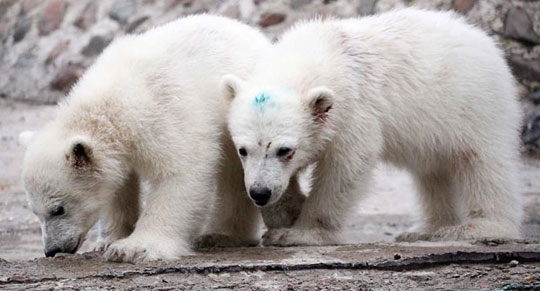
Climate change is making more and more mammals in the Arctic region mate with the same species.
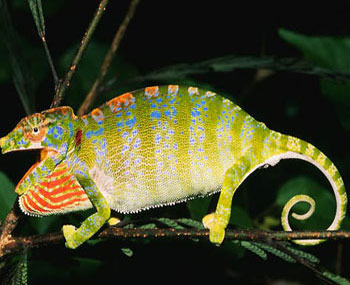
In the natural world full of dangers, the ability to transform spectacularly of the following 'mutants' is indeed an effective 'way', ...

Global warming has caused Arctic sea ice to melt faster and tens of thousands of walruses have to crawl to the northwest coast of Alaska.
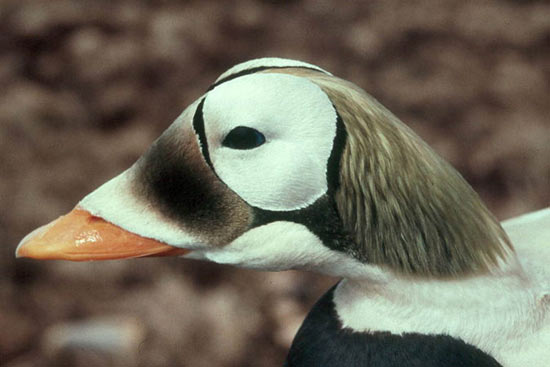
'Extinction: not only polar bears' - it is the newly published article of the Center for Biodiversity (CBD, USA) and the International Wildlife Care Organization. .

Scientists from the University of Manchester, UK have discovered mechanisms to help animals in the Arctic adapt to the day-night movements in the extreme.

While a group of people took photos at the North Pole, the polar bear rushed in and grabbed the camera stand.

The white bear in the North Pole did not show any fear or anger when he saw the conservationist's camera.

The latest study shows that the annual terns must migrate to migrant roads up to 71,000 km, twice as much as previous studies.

If you've ever wondered just how fast the reindeer of this Santa's or animal reindeer car runs, the facts below will help you answer those questions.

Ducks in the Arctic show dexterity and agility when searching for bait in permafrost.

Scientists in the United States and Canada are gradually shedding light on the centuries-old secrets relating to the lives of Arctic wolves in the winter.