Environment
Antarctic ice disappeared 2700 billion tons during the last 25 years
According to the study, Antarctic ice is melting at an alarming rate, with about 2,700 billion tons of ice disappearing in 25 years, from 1992 to 2017.
Browse ScienceInfo articles and explainers related to Arctic.
779 published items.
According to the study, Antarctic ice is melting at an alarming rate, with about 2,700 billion tons of ice disappearing in 25 years, from 1992 to 2017.
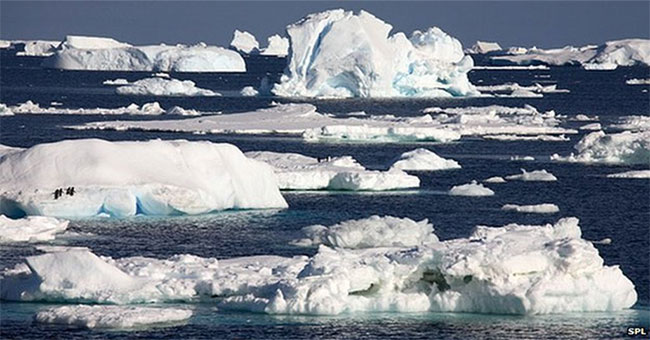
The earth warms, and as a result the ice in the poles is melting. We still know that, and are looking for ways to overcome it.
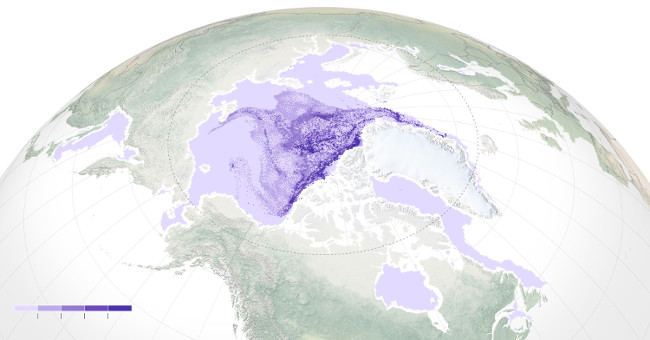
This further increases the likelihood of a prediction that by the middle of the century there will be no more ice sheets in the summer on the Arctic Sea.

Ice cores concentrated throughout the Arctic Sea show that the micro-plastic concentrations are two to three times higher than the levels previously recorded.
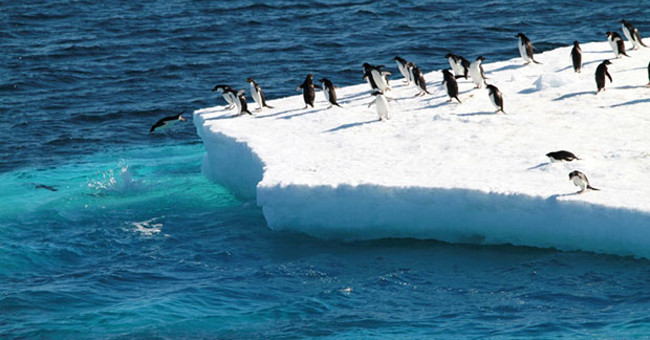
A study published in the journal Nature in 2012 found that snow is associated with an increase in the speed of ice melt and drift.
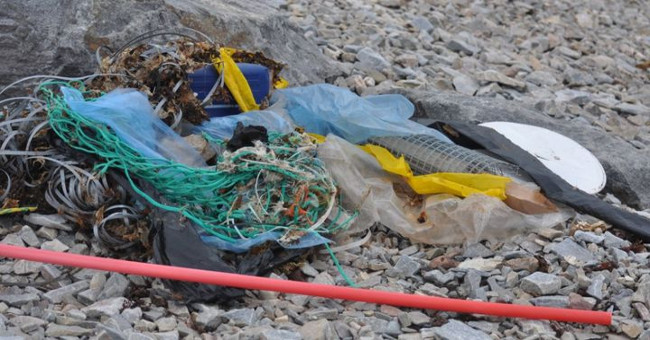
According to the BBC, experts say they can find rubbish everywhere in the Arctic Sea - considered a dump
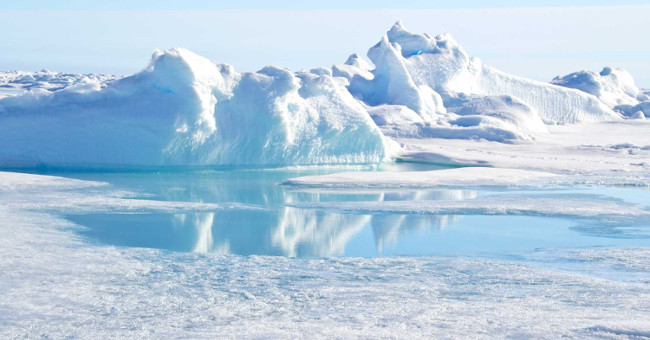
If you're in Europe, you may be suffering from cold wind cuts to bone, because temperatures in many countries are below 0 ° C.
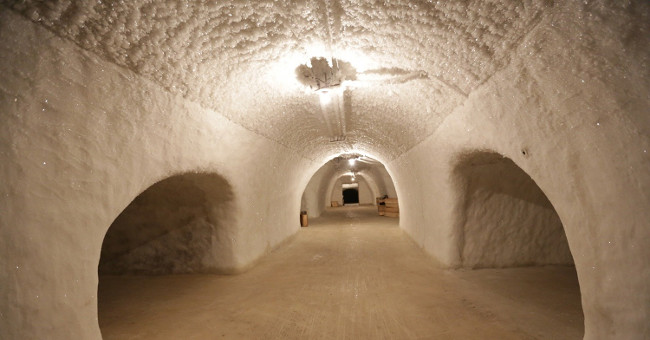
The ice tunnel built in the Arctic since the Soviet Union was melting due to climate change, according to the Daily Mail.
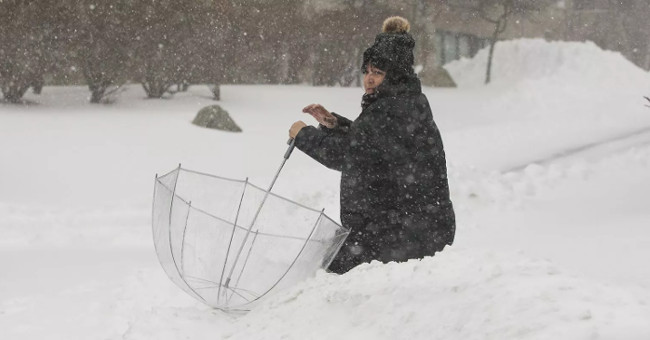
Along with wind and other factors, the temperature is expected to drop to -73 degrees Celsius in a location in New Hampshire.
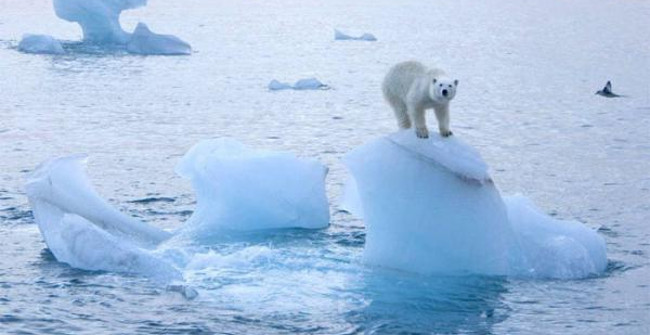
This annual report also said that although the temperature of sea water in 2017 is less hot than in 2016, the intensity and speed of warming in the Arctic are 2 times fa…

Icebergs are more than four times the size of New York's Manhattan area separated from the Pine Island and Antarctic glaciers two months ago, breaking into small pieces,…
Scientists have discovered the coldest region on earth - where the air temperature falls below -91 degrees C. With this cold, the recent cold spell of England is just li…
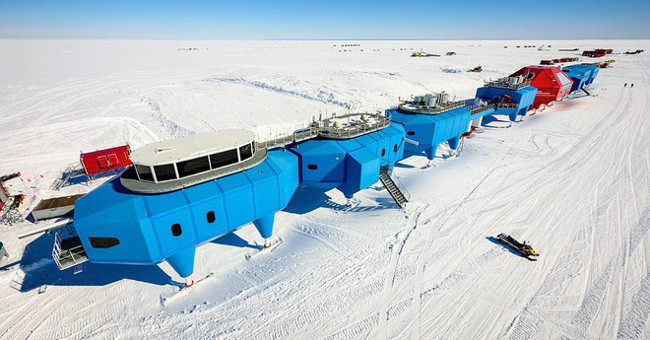
This is the second consecutive winter that Halley Vi station must be closed because of the risk of being stuck between two growing cracks in the floating ice shelf 150 m…
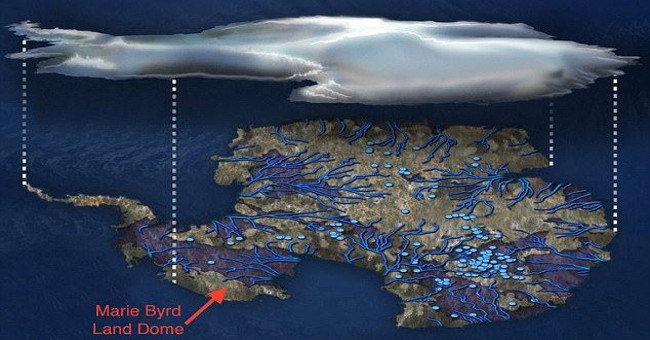
The hypothesis of having such a mantle plume at the bottom of the permafrost in Antarctica has been around for a long time, but recently NASA has confirmed the new evide…
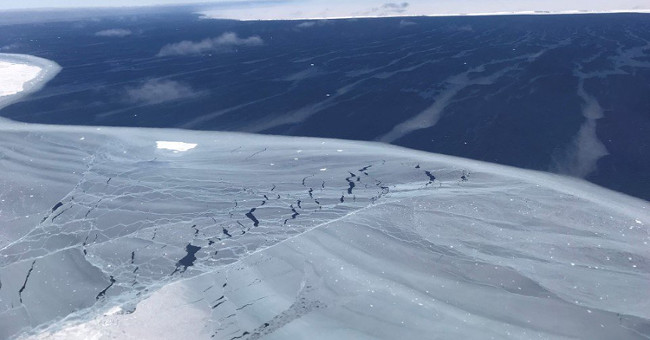
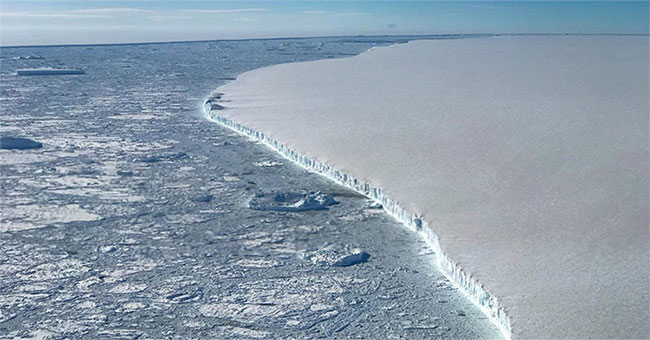
NASA scientists have captured close-up images of a giant iceberg, separated from Antarctica last July.