Environment
2010: The Year of the Earth
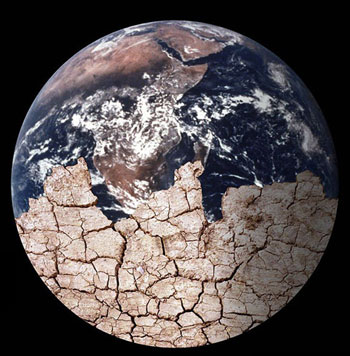
In 2010, filled with anomalous weather phenomenon, was considered the hottest and humid year, and in many different areas on the record dry and cold earth in history.
Browse ScienceInfo articles and explainers related to Arctic.
779 published items.
In 2010, filled with anomalous weather phenomenon, was considered the hottest and humid year, and in many different areas on the record dry and cold earth in history.
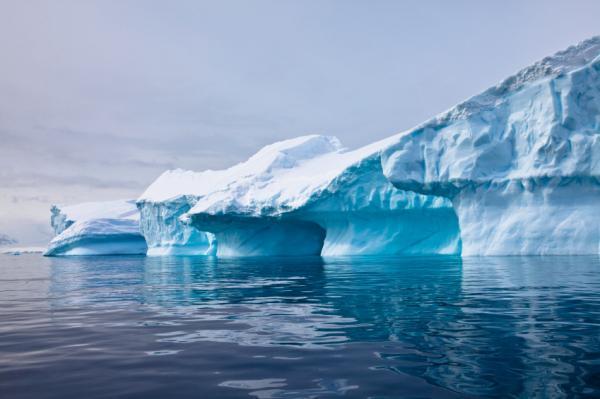
The ice in Antarctica and Greenland melting at 382 billion tons per year is creating a large amount of water flowing into the oceans. This amount of water is cornered to…
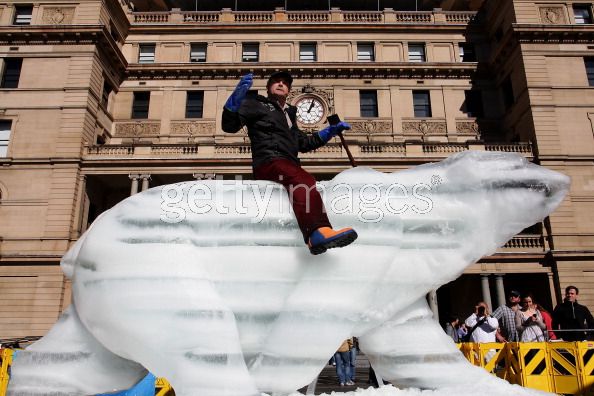
A polar bear sculpture made from melting ice to help raise people's awareness of global warming affects this endangered bear that has just been displayed in the port cit…
The unusual melting of the Arctic ice archipelago, called the Canadian archipelago, has raised the Pacific sea level.
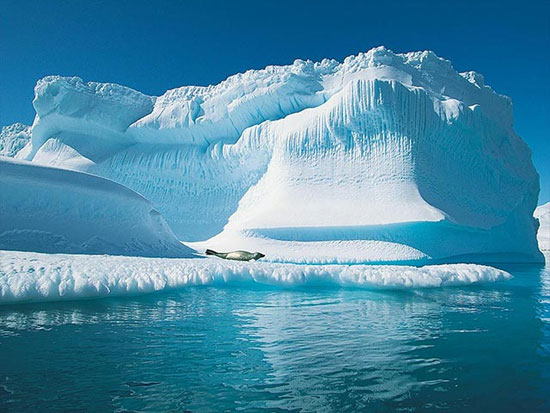
Ice and snow on the two poles of the Earth have dramatically reduced human, animal and plant life as well as the circulation cycles of the atmosphere and oceans.
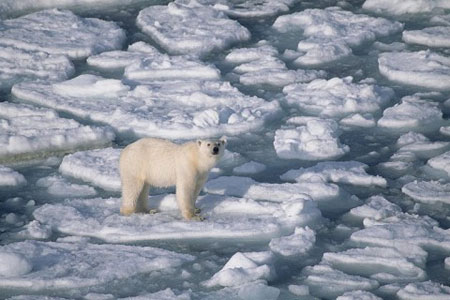
The phenomenon of ice melting in the Arctic could cause global sea levels to rise by up to 1.6 meters this century, threatening many of Vietnam's delta and coastal citie…
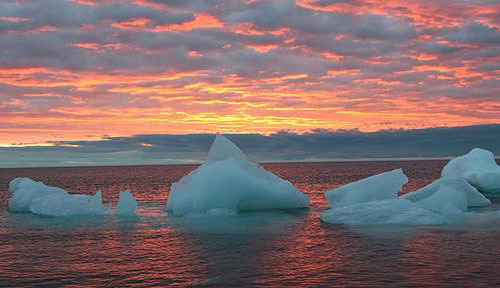
According to a recent forecast by some scientists, after 5 years the Arctic will have melted ice phenomenon in the summer.
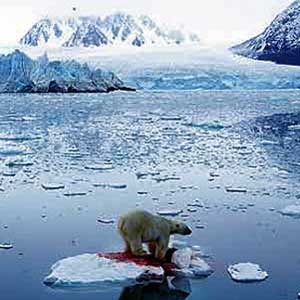
The ocean currents flowing from the North Atlantic to the Arctic are the hottest in over 2000 years, according to a new scientific study published.
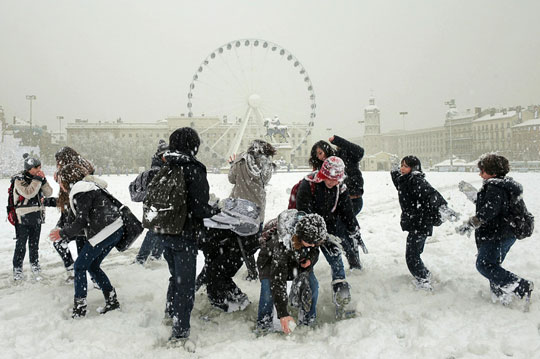
For more than a month, many European countries have been attacked by snowstorms and cold. Temperature in many places has reached the lowest level in the last 10 years.
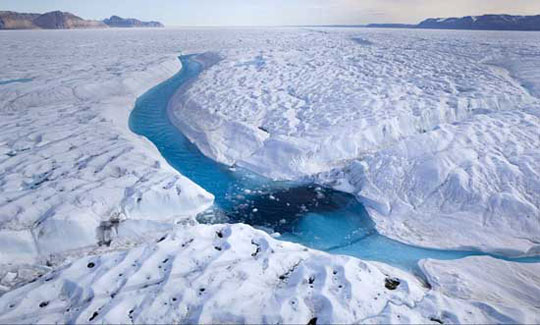
The Arctic sea ice has been significantly thinner in recent decades, the permafrost is gradually being replaced by seasonal ice changes.
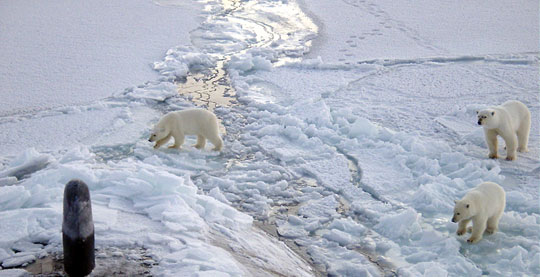
The winter in the northern hemisphere of the earth will become colder due to warming in the Arctic, making ice melt more and more powerful.
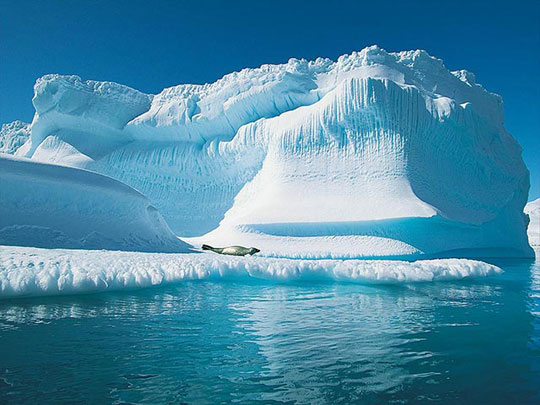
Climate change in the Arctic is almost irreversible and the region is turning to a new climate.
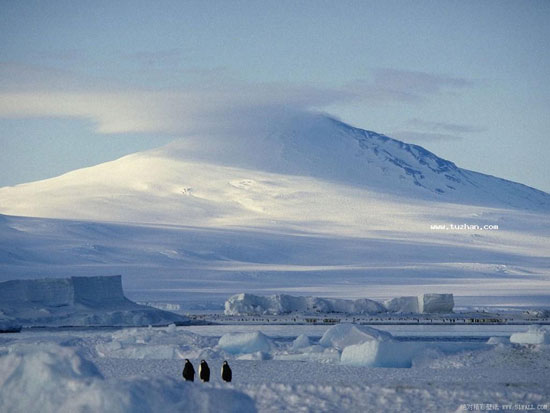
Chinese scientists became the first to successfully map the entire area of Antarctica at a scale of 1: 100,000.

Scientists warn that, with the current warming rate of the Earth, only 30-40 years later, ice will not exist in the summer, even in the center of the Arctic.
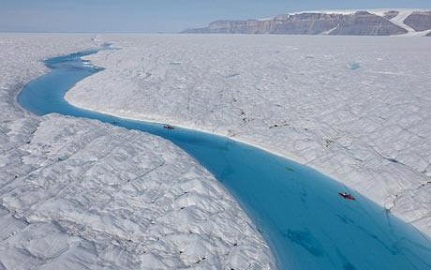
US scientists say an ice sheet of four times the size of Manhattan Island (260 km2) and a height of about 180m have been separated from the Petermann glacier in northern…