Oceanography
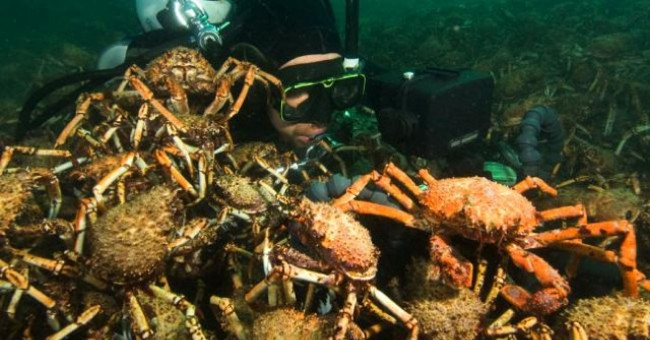
The army of spider crabs tore octopus under the sea
The army scene of the giant spider crab tearing off the octopus was recently recorded in the seabed of Port Phillip Bay, near Melbourne, Australia.
Browse ScienceInfo articles and explainers related to Army.
372 published items.
The army scene of the giant spider crab tearing off the octopus was recently recorded in the seabed of Port Phillip Bay, near Melbourne, Australia.

A person in Seattle, USA has just caught a fish of 200 years old. This is the oldest fish ever.
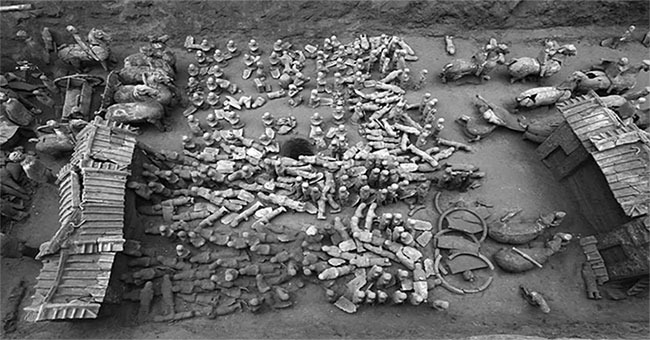
Archaeologists found tiny terracotta troops in the grave in an ancient crater in China, consisting of carefully arranged chariots and statues of cavalry, infantry, music…
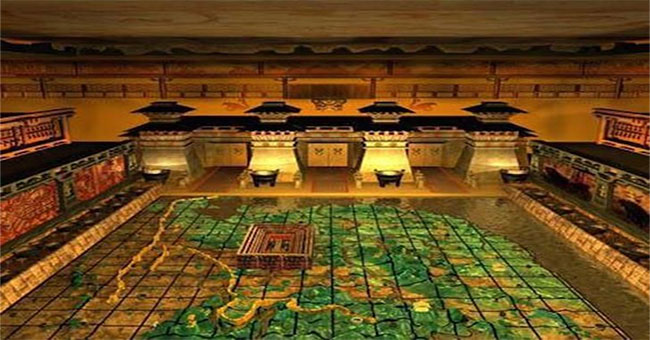
According to Ancient Origins, 2,200 years ago, Emperor Qin Shihuang was the first person to unify China, after the Warring States era.
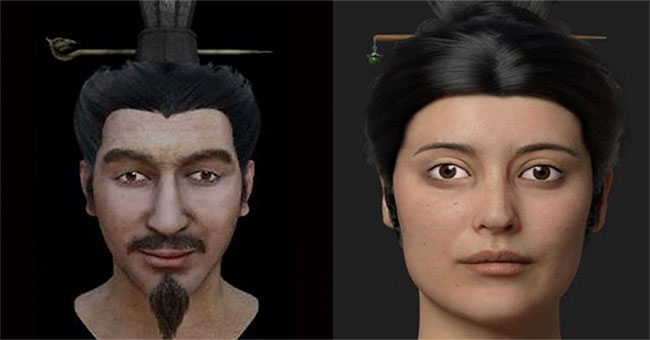
Chinese researchers set up the face of a young man and woman, possibly one of many sons and Qin Shihuang's frequency.

An ancient 2.3kg heavy bronze hand of ancient Romans was unearthed by archaeologists at the Hadrian border wall area in England.
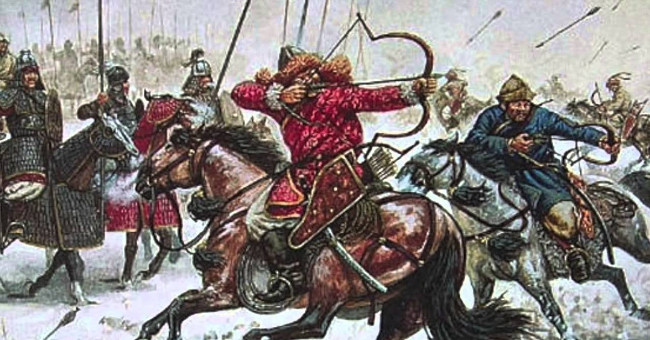
The army of Genghis Khan has made extensive conquests across Asia as well as part of Europe to build the mighty Mongol empire.
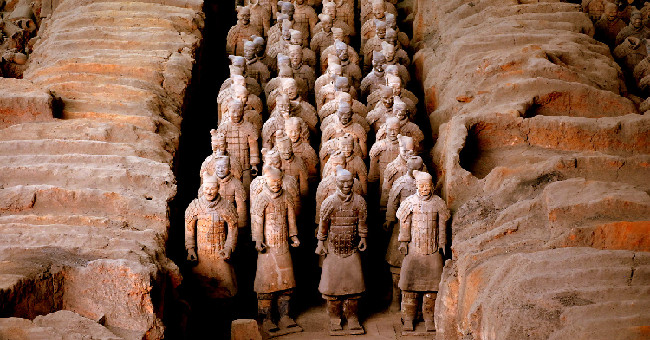
More than 8,000 real-life terracotta warriors were discovered in the tomb of Emperor Qin Shihuang in Xi'an, China, in 1974.
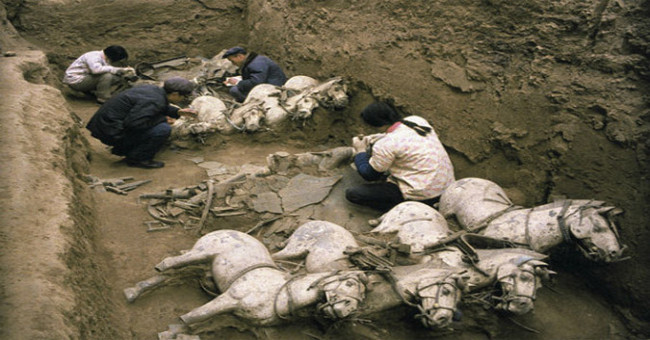
Recent archaeologists recently discovered in the tomb of Qin Shihuang there are thousands of animals of different species that were buried with him.
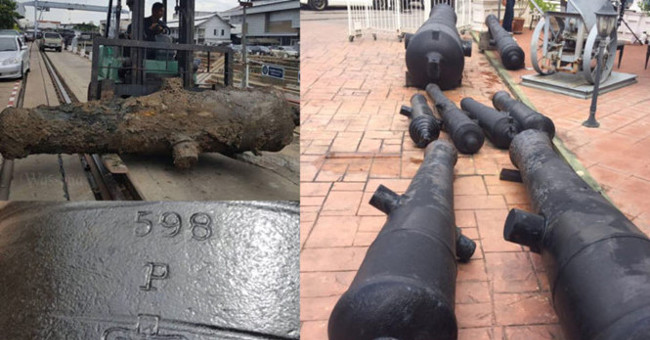
Thai authorities have discovered 12 intact cannons underground in a port outside Bangkok.
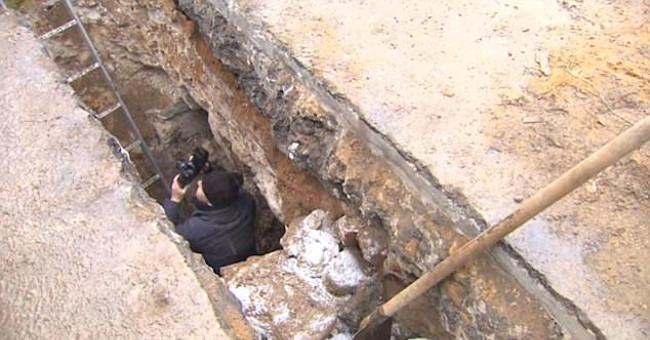
The specially designed cellar helps Russian troops to eavesdrop on the enemy without leaving the ground.
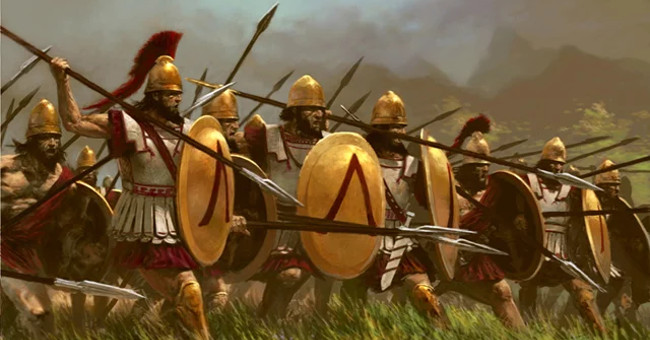
Dutch archaeologists have discovered part of the military path that Roman soldiers marched through nearly 2,000 years ago, in order to defend against invading Germans on…
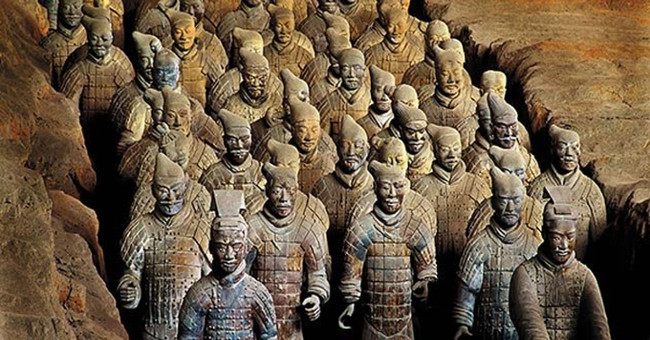
Archaeologists concluded that the terracotta army guarding the tomb of Emperor Qin Shihuang could be manipulated under the direction of a Greek sculptor.
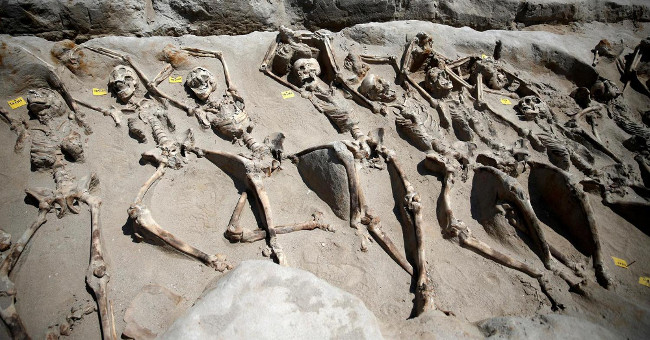
Nearly 100 sets of iron-clad remains in the ancient Greek cemetery are likely to belong to those who supported the coup by an Athens noble.
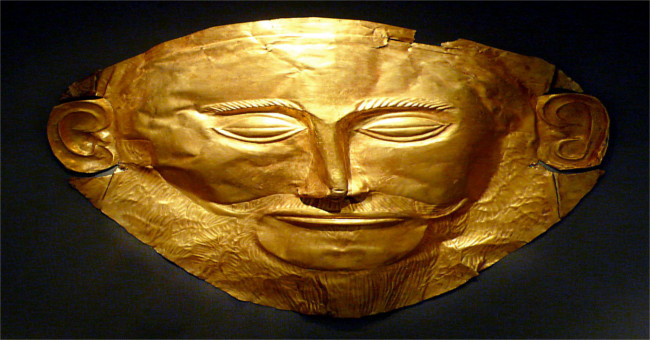
Egyptian archaeologists found a block of stone that might belong to the throne of Agamemnon, the king leading the Greek army to invade Troy.