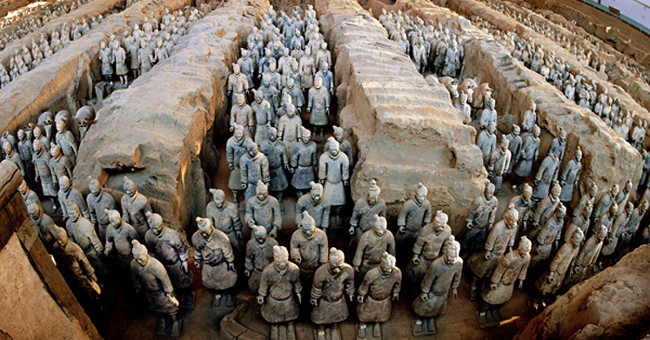
Archeology
Artists build terracotta army Qin Shihuang used to eat dog meat
The famous terracotta army in the tomb of Emperor Qin Shihuang was created by workers and artisans specializing in dog meat.
Browse ScienceInfo articles and explainers related to Army.
372 published items.
The famous terracotta army in the tomb of Emperor Qin Shihuang was created by workers and artisans specializing in dog meat.
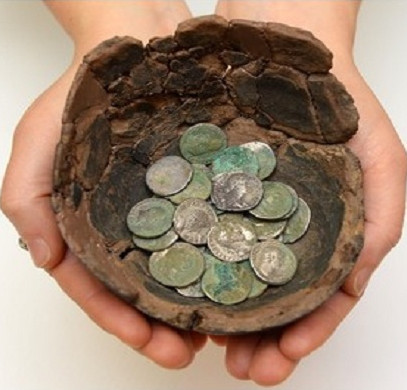
The treasure consists of 91 silver coins from the Roman era, dating back over 2,000 years, found on a Wales field worth tens of millions of dollars.
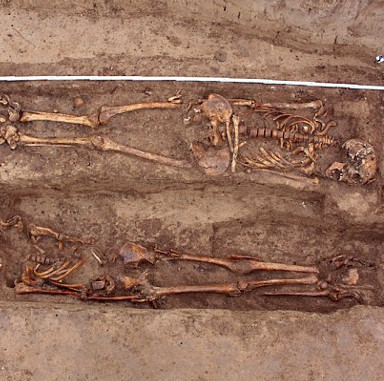
Archaeologists discovered a mass grave of 200 French soldiers believed to be from Napoleon Bonaparte's army in the western district of Roedelheim in Frankfurt, Germany.
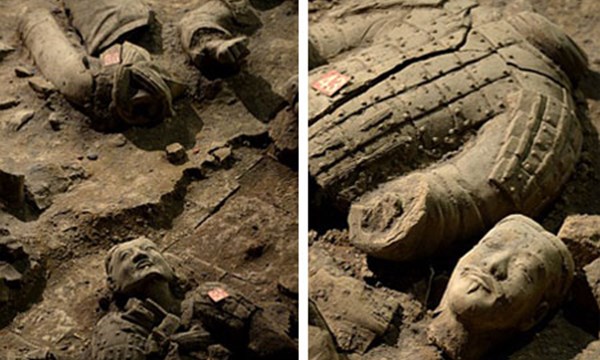
In the terracotta army of Qin Shihuang, people found both
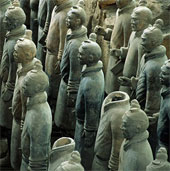
These terracotta statues are proven to follow the prototype of a real army, not a mass product.
The field of archeological and underwater archeology has made important discoveries, drawing a clearer picture of the Vietnamese naval wars when the Northern invaders po…
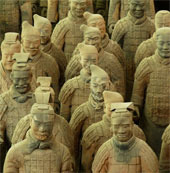
Archaeologists who study sculpture in the tomb of Qin Shi Huang have come up with an unexpected hypothesis concerning Greek art.
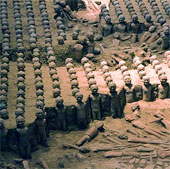
Mausoleum 'Qin Shihuang' is considered to be the largest tomb in the world, and is also one of the most peculiar mausoleum structures in human history.
The terracotta army holding the tomb of Qin Shihuang is equipped with weapons capable of defeating the enemy with a single arrow.
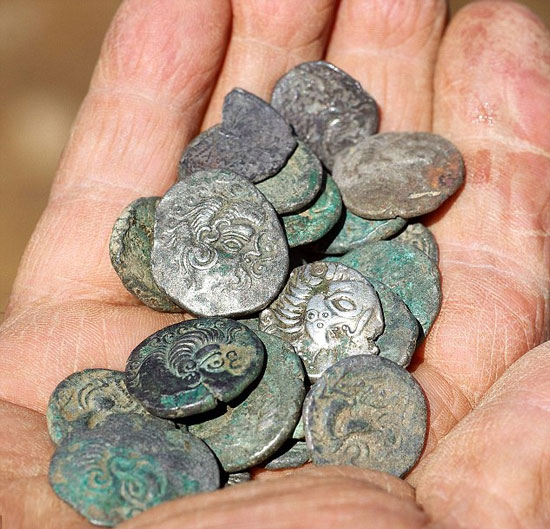
Two British metal detectors unearthed the largest Iron Age silver and gold coin store in Europe. After more than 30 years of persistent search, two metal detectors Reg M…
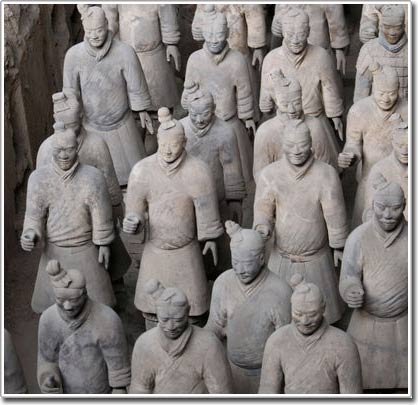
The collection of 7,000 terracotta statues of soldiers and horses in China's Qin Shihuang tomb was once covered with eggs, above the bright colored paint.
Egyptian archaeologists have found the place believed to be the headquarters of the Royal Pharaoh army, protecting Egypt's northeastern border more than 1,500 years ago.
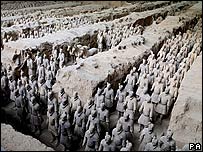
A mysterious basement was found inside the tomb of the Chinese emperor, which was guarded by the famous terracotta army, Chinese archaeologists.
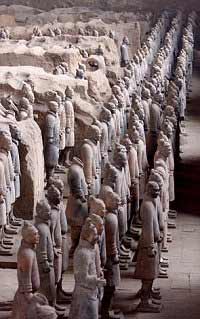
Warriors and horses in the tomb of the famous Chinese emperor are made from different regions, the analysis of pollen on clay statues has revealed something.

In 216 BC, the Roman army was defeated. For this is an omen, stemming from the corruption of morality of six female priests, people have executed them. However, after co…