Space science
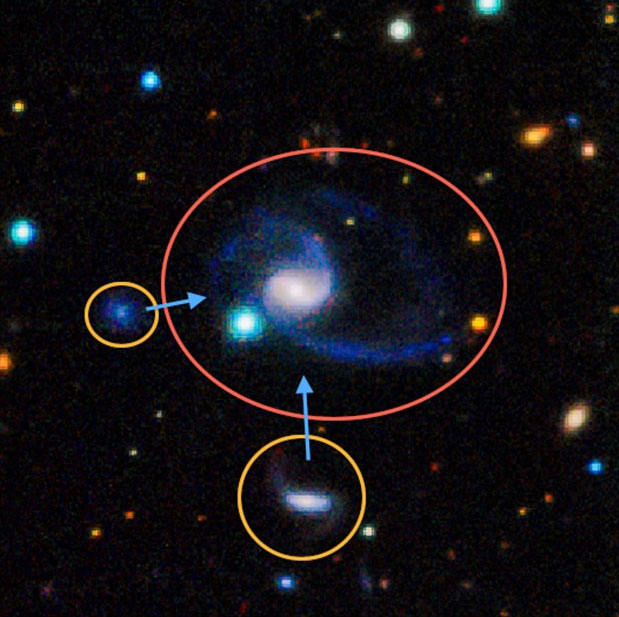
Discover 2 identical copies of the Milky Way
For the first time, astronomers have discovered two galaxies that are almost identical to our Milky Way galaxy.
Browse ScienceInfo articles and explainers related to Astronomer.
968 published items.
For the first time, astronomers have discovered two galaxies that are almost identical to our Milky Way galaxy.
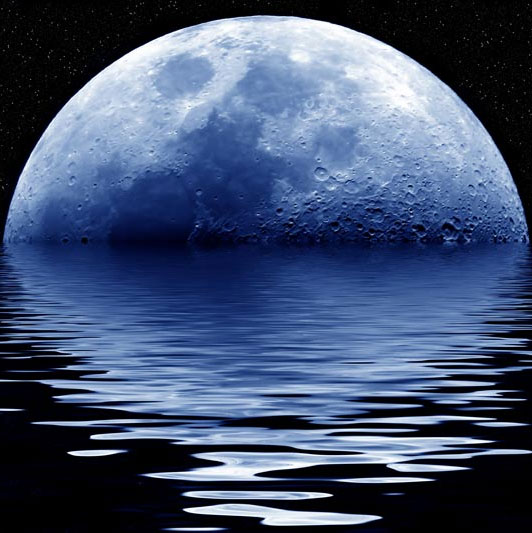
Astronomers will have the opportunity to see the blue moon on August 31. This is the last chance for an average phenomenon of almost 3 years to come once.
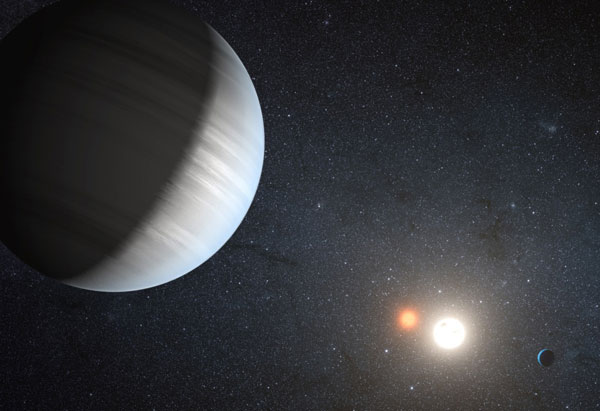
NASA announced it was the first time astronomers discovered the planetary system has two stars. They are about 4,900 light-years away and are located in the constellatio…

Astronomers discovered that sugar molecules, one of the basic substances that make up life, are close to a star whose mass is equal to the sun.
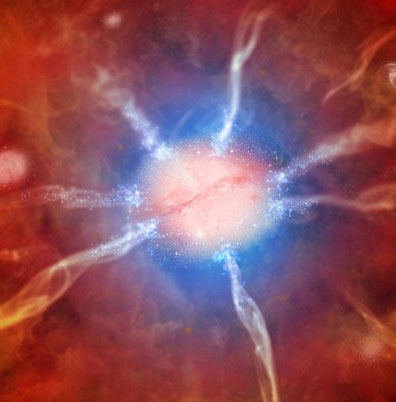
US astronomers have recently discovered a galaxy of
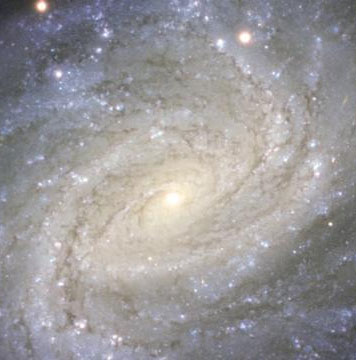
The galaxy, called NGC 1187, was discovered in 1784 by the English astronomer William Herschel. Far from being calm and unchanging, it has
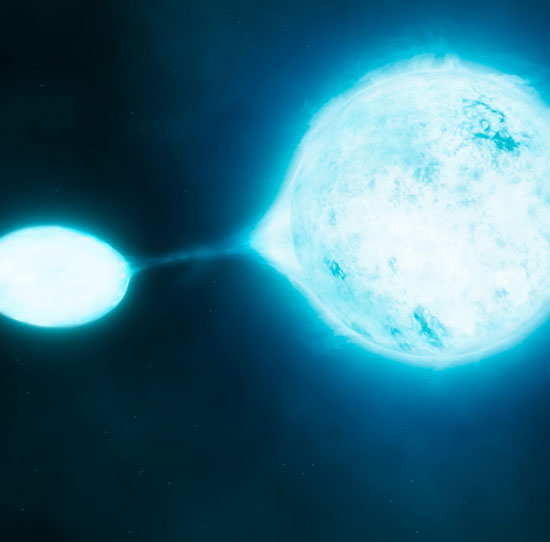
Like vampires in fantasy movies, super-big stars come close to other stars
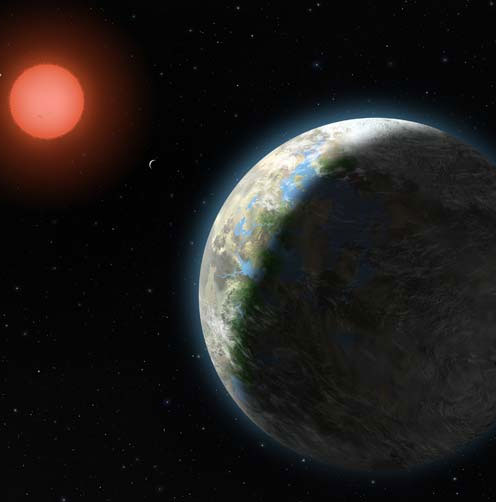
Until now, astronomers have confirmed more than 700 of the thousands of planets outside our solar system.

The results of American astronomers published in Nature on July 18 said they were surprised to find a spiral galaxy forming nearly 11 billion years ago.

Astronomers have identified four binary systems with members that exist side by side, contrary to the popular hypothesis in the scientific world.
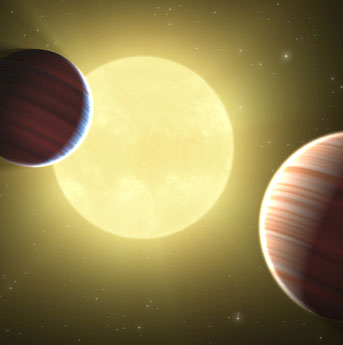
German astronomers have found a planetary system with a solar system-like distribution, with rocky planets on the inside and gas planets on the outside.
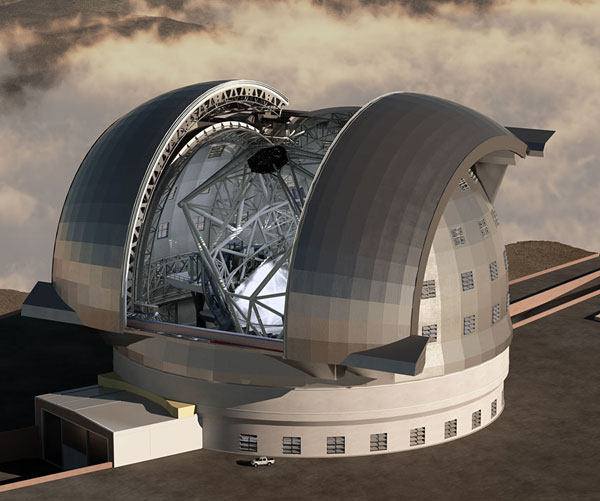
Astronomers in Chile used powerful telescopes to observe what they called the first evidence of the existence of dark galaxies, according to the Southern European Observ…

During the observation of the astronomical phenomenon that has just happened, most people in Asia and North America witnessed, Japanese scientists have calculated the ex…
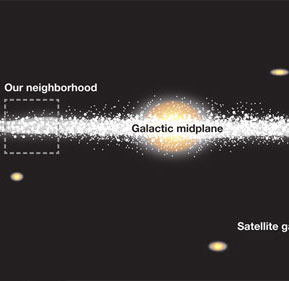
That's the conclusion of a group of Canadian and American astronomers, based on the findings that the Milky Way might have encountered a satellite galaxy or a large stru…
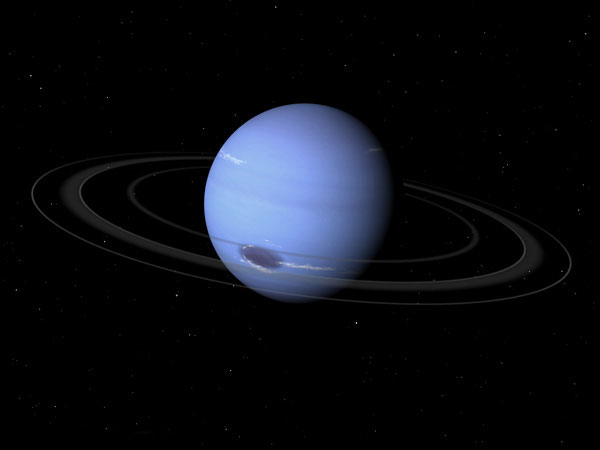
Erich Karkoschka, a scientist from the University of Arizona, USA, accurately calculated the self-motion time within a week of this giant planet is 15 hours 57 minutes 5…