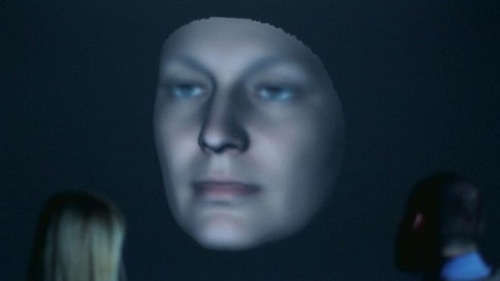
New technology
Use DNA to reproduce the face of crime
Scientists can use DNA obtained from crime scenes to recreate criminal imagery through molecular imaging.
Browse ScienceInfo articles and explainers related to BBC.
223 published items.
Scientists can use DNA obtained from crime scenes to recreate criminal imagery through molecular imaging.

According to the BBC, Elliptic Labs' ICs use sound waves to translate user's hand movements into commands.
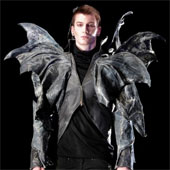
The BBC's UK website continues to introduce a number of other technology outfits that are also designed to improve the quality of life as well as support entertainment f…
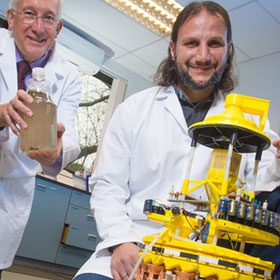
British scientists have successfully created robots capable of producing electricity from human waste.
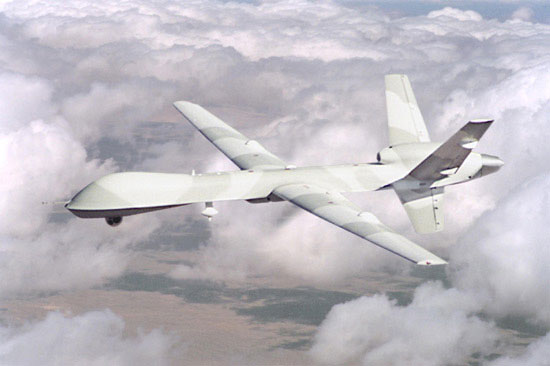
US scientists have gained control of a drones flying in the air, hacking its GPS navigation system. BBC reported on June 29 that a team of scientists at the University o…
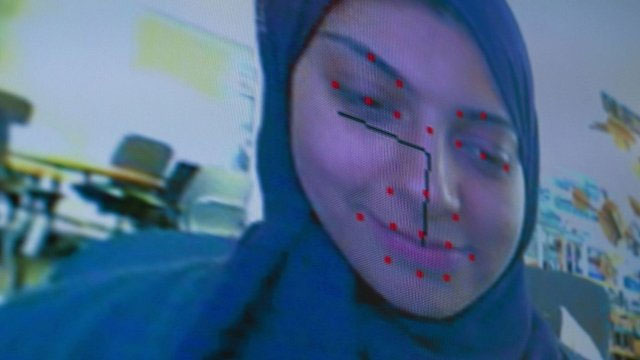
MIT researchers are working on developing a computerized device that recognizes human facial expressions to identify the mood of the user, according to the BBC. .

According to the BBC, scientists have developed a special soap that can clean up oil spilled from the ocean due to oil spills.
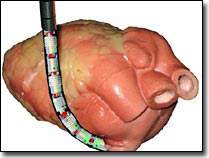
According to the BBC, Imperial College London researchers have designed a breakthrough device in surgery. The flexible device called I-Snake allows physicians to treat c…
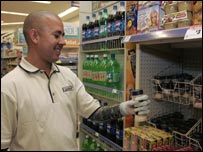
A Scottish company has revealed a revolution in hand-held machines for people with disabilities. The inventor is David Gow - a worker from the Scottish National Health S…

Toshiba (Japan) has created a new printer, B-SX8R, which is used to print resin paper that can be reused 500 times. The paper is made of a plastic called PET
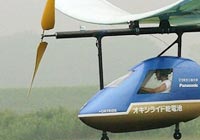
The first dry-cell battery in the world has been successfully tested on July 16 with a flight path of 391.4 meters at an altitude of 5.2 meters.

He has launched a project to prevent traffic congestion, with the redevelopment of about 14,500 km of abandoned tracks by paving the way with plastic trimmed rubber tire…
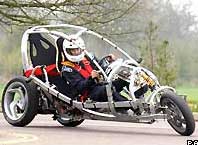
This two-seater is the result of a 40-month research project, conducted by researchers from nine European countries. The project is worth £ 1.5m to create a completely n…