Space science
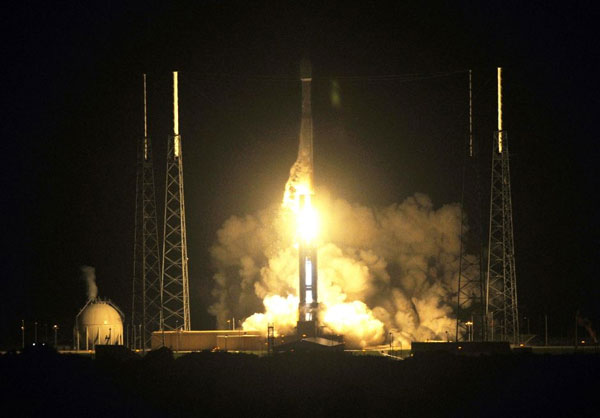
NASA launched two satellites to probe the radiation belt
On August 30, from Cape Canavaral Air Base in Florida, the US Space Agency launched two satellites into orbit to probe the radiation belts and protect the Earth against…
Browse ScienceInfo articles and explainers related to Belt.
277 published items.
On August 30, from Cape Canavaral Air Base in Florida, the US Space Agency launched two satellites into orbit to probe the radiation belts and protect the Earth against…
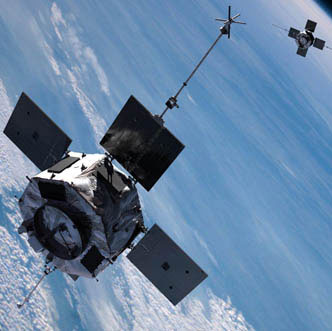
NASA is preparing to deploy two radiation storms (RBSP) for the mission to explore the harsh environments of charged particles around our planet.
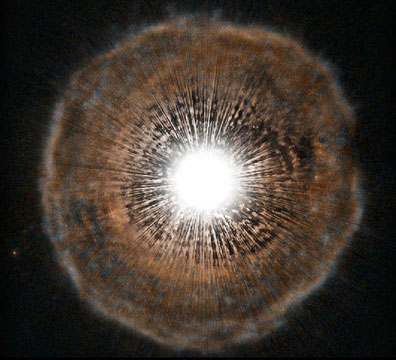
The star, known as U Camelopardis and in the constellation Camelopardalis (Giraffe), is in the final stage of life, the European Space Agency (ESA) said. Helium gas in i…
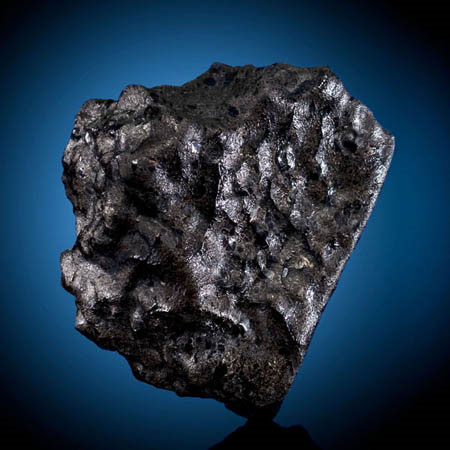
In late May, a shiny black Martian rock, so small that it could fit in the palm, was sold for $ 43,750 (more than 900 million dong). This rock is part of the Tissint met…
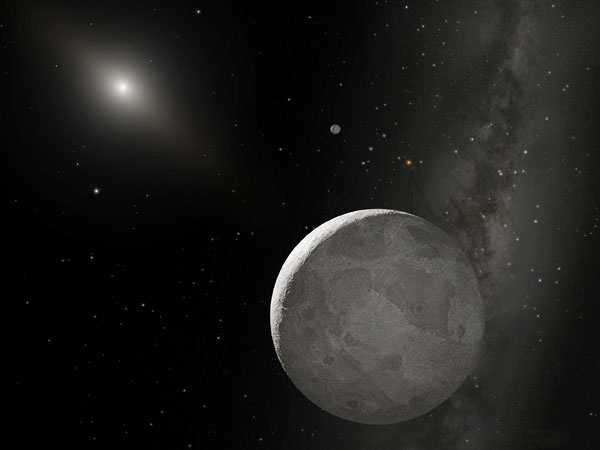
At a distance too far to be caught in the sights of earth-glass telescopes, planet X can create gravitational forces acting on icy celestial bodies passing by Neptune, h…
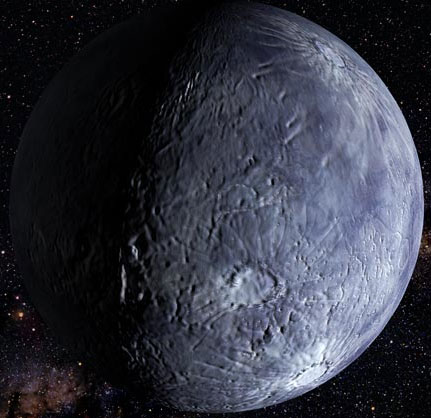
Kuiper belt is made up of ice objects and lies just outside the orbit of Neptune. Rodney Gomes, an astronomer from the Brazilian National Observatory, said that with mod…
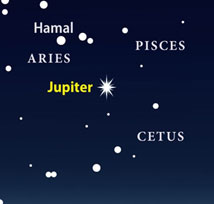
Tonight, Jupiter will reach its maximum brightness in the year. This is an opportunity for astronomers to see clearly the largest planet of the solar system.
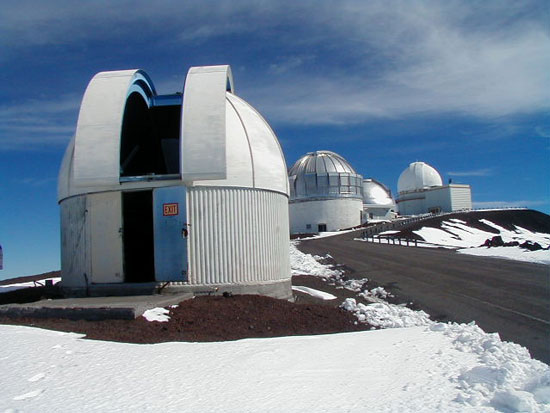
The Mauna Kea telescope was struck by lightning two months ago after it was repaired.
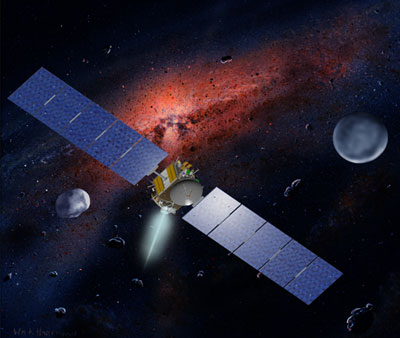
An unmanned scientific probe from the US Space Agency (NASA) recently went into Vesta's meteorite orbit, to discover the secrets of the formation of the Solar System.
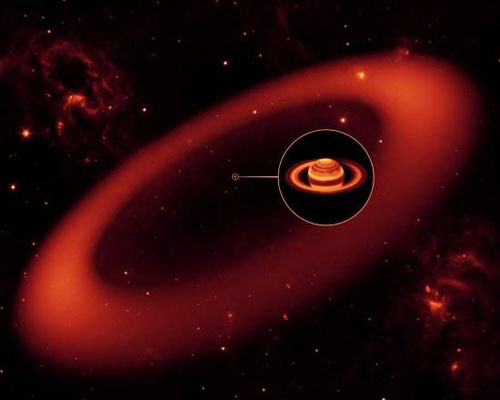
The record-breaking and unprecedented giant belt discovered by Spitzer telescope. The half-dark mystery of the moon Iapetus had the answer.
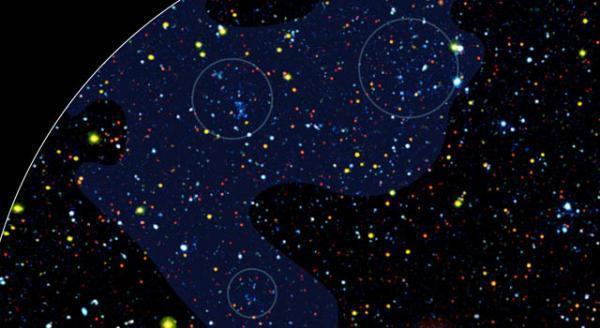
There is more than one path forming a dwarf galaxy, and NASA's Galaxy Evolution Explorer has found the new formula.
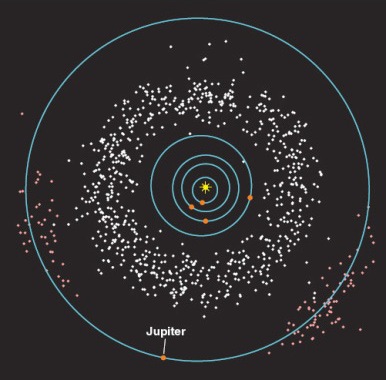
According to computer simulations, missing asteroids in our solar system may be the result of angry giant planets as they migrate to their current locations.

A new picture of comet composition, with the help of 21st century technology, was present at Diamon, Britain's national Crotron light source, in Oxfordshire.
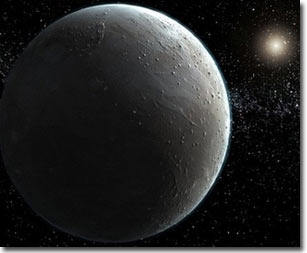
Japanese scientists on February 28 said they believed that another planet of two thirds of our Earth is orbiting the outer ring of the Solar System.
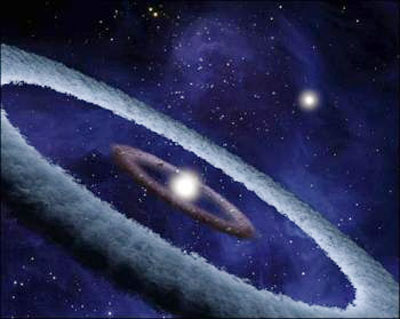
Moving close to a giant warm dust belt, an Earth-like planet is being formed by our 424 light-years. This is the result of tracking the rare images of the young planet c…