Space science
Photographing the Earth from 1.6 billion km away
The US Aeronautics and Space Agency (NASA) urged people around the world to wave their hands into the air on July 19 when Cassini intended to photograph the Earth throug…
Browse ScienceInfo articles and explainers related to Belt.
277 published items.
The US Aeronautics and Space Agency (NASA) urged people around the world to wave their hands into the air on July 19 when Cassini intended to photograph the Earth throug…
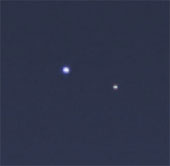
The US Aeronautics and Space Agency (NASA) on July 22 published on its website a picture of Earth from a Cassini probe in the Saturn belt, 1.5 meters from our green plan…
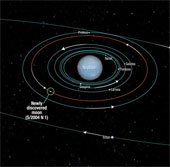
Hubble Space Telescope discovered a new satellite of Hai Vuong star, NASA Aerospace Agency (NASA) announced.
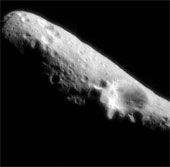
The idea of an extraterrestrial robot mining mine is burning in the minds of scientists, who think that this is not a difficult goal to swallow in the near future.
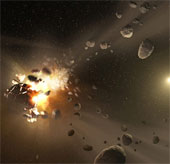
The US Aeronautics and Space Agency (NASA) said data transmitted from the WISE spacecraft provided a new genealogy of belt asteroids between Mars and Jupiter.
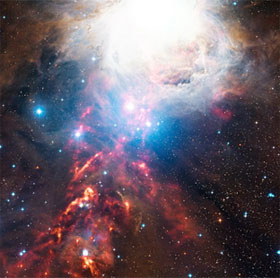
The Orion Nebula is one of the favorite targets of astronomers who want to observe the universe.
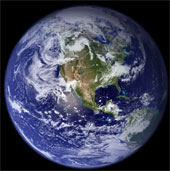
Russian scientists are studying a project to create an orbital belt to protect the Earth from dangerous collisions with asteroids.
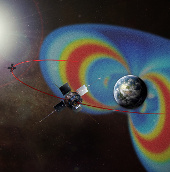
A radiation belt that unprecedented scientific circles surrounded the earth last year before being destroyed by the shockwave.
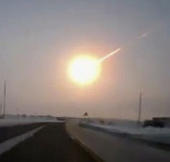
Astronomers have speculated that the meteorite's early residence in central Russia on February 15 is a meteorite belt between Mars and Jupiter.
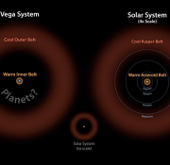
Fertility, shining brightly in the northern night sky, possessing the asteroid belt like our sun, the sign of the possibility of undiscovered planets orbiting other star…
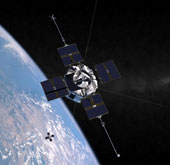
The US Aeronautics and Space Administration (NASA) has announced the mission of Van Allen, in an effort to study the earth's radiation belts.
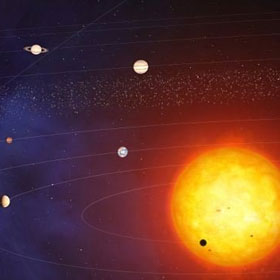
The meteorite belts are one of the ideal places in the Solar System that can find life, according to a newly published scientific hypothesis.
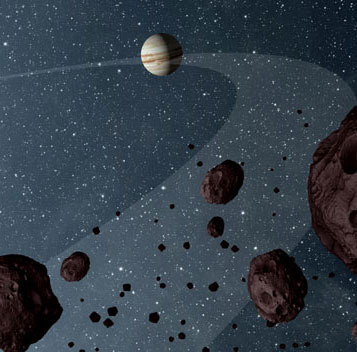
American scientists have found a new clue to the mystery of the Jovian Trojan, a group of asteroids orbiting the Sun in orbit like Jupiter.
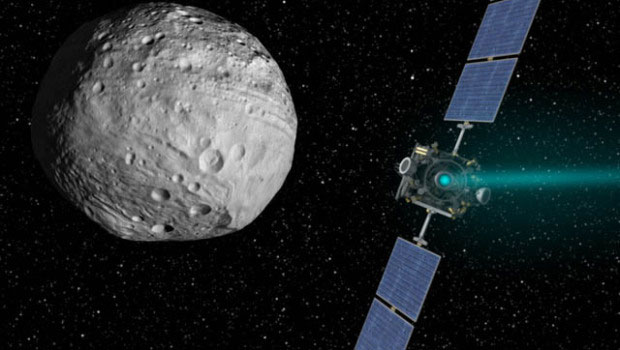
The US Space and Aeronautics Agency (NASA) said the probe Dawn was ready for the second mission, becoming the first spacecraft to orbit and study the dwarf planet Ceres…

The US Space Agency (NASA) on August 25 had to postpone the plan to launch two radiation probes for the second day in a row due to unsafe weather conditions.