Biology
Artistic swimming dance of algae
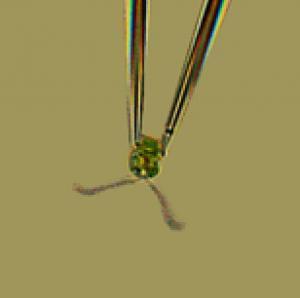
With the help of high-speed cinematography, scientists at Cambridge University discovered that single-cell algae can coordinate the whips of the two whips, thus masterin…
Browse ScienceInfo articles and explainers related to Body.
5,429 published items.
With the help of high-speed cinematography, scientists at Cambridge University discovered that single-cell algae can coordinate the whips of the two whips, thus masterin…
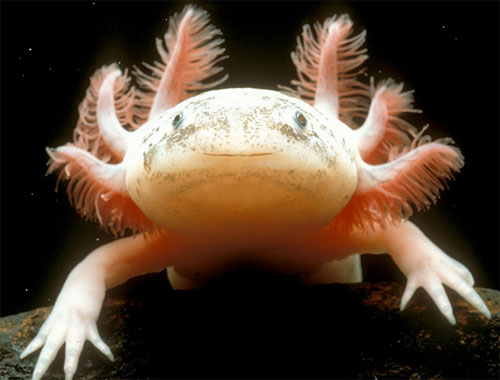
In fantasy films, superheroes hands and feet regrow after they are cut off. Scientists claim that someday ordinary people will have similar capabilities.
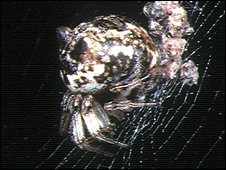
The two scientists discovered that a spider species has the ability to create decorative objects with the same shape and color as their bodies, in order to distract the…

A new virus has been found to be able to eat bacteria, potentially becoming a powerful weapon in the fight against antibiotic-resistant bacteria.
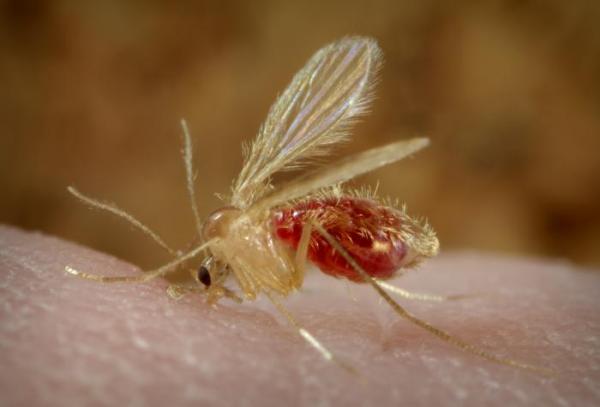
On the Science page this week, he and his colleagues at the National Institutes of Health reported that they finally found the answer: putting enough Leishmania individu…

When an ant dies, other members will quickly bury it to prevent the risk of spreading the disease.

Scientists have found genes that determine when to start and end a woman's reproductive function.

A woman named Julia Pastrana was famous around the world in the mid-18th century thanks to the beard and hair covering her body.

A new finding allows the genetic reversal to be done to restore the dinosaur gene that has slept in modern poultry bodies like chickens.

Male fruit flies often secretly release protein into the partner's body, making females no longer want to mate with other guys.

Millions of special cells regularly patrol your body to kill cancer cells, viruses and harmful microorganisms.

Leukocytes emit an extremely attractive chemical to attract stem cells to make blood to their lair. After entering the lair of white blood cells, stem cells will quickly…
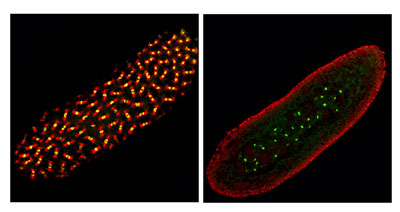
Many groups of bacteria are known as 'male killers' - they only kill male elements in the host species.

The dance is the champion of dance in the insect world. They can turn up to 100 times higher than body length.

Finnish athlete Eero Mäntyranta won all this medal at another Olympics from 1960 to 1972. Scientists only found a secret trace of success 20 years later.